
Strength Training for Adults Over 60 in Melbourne
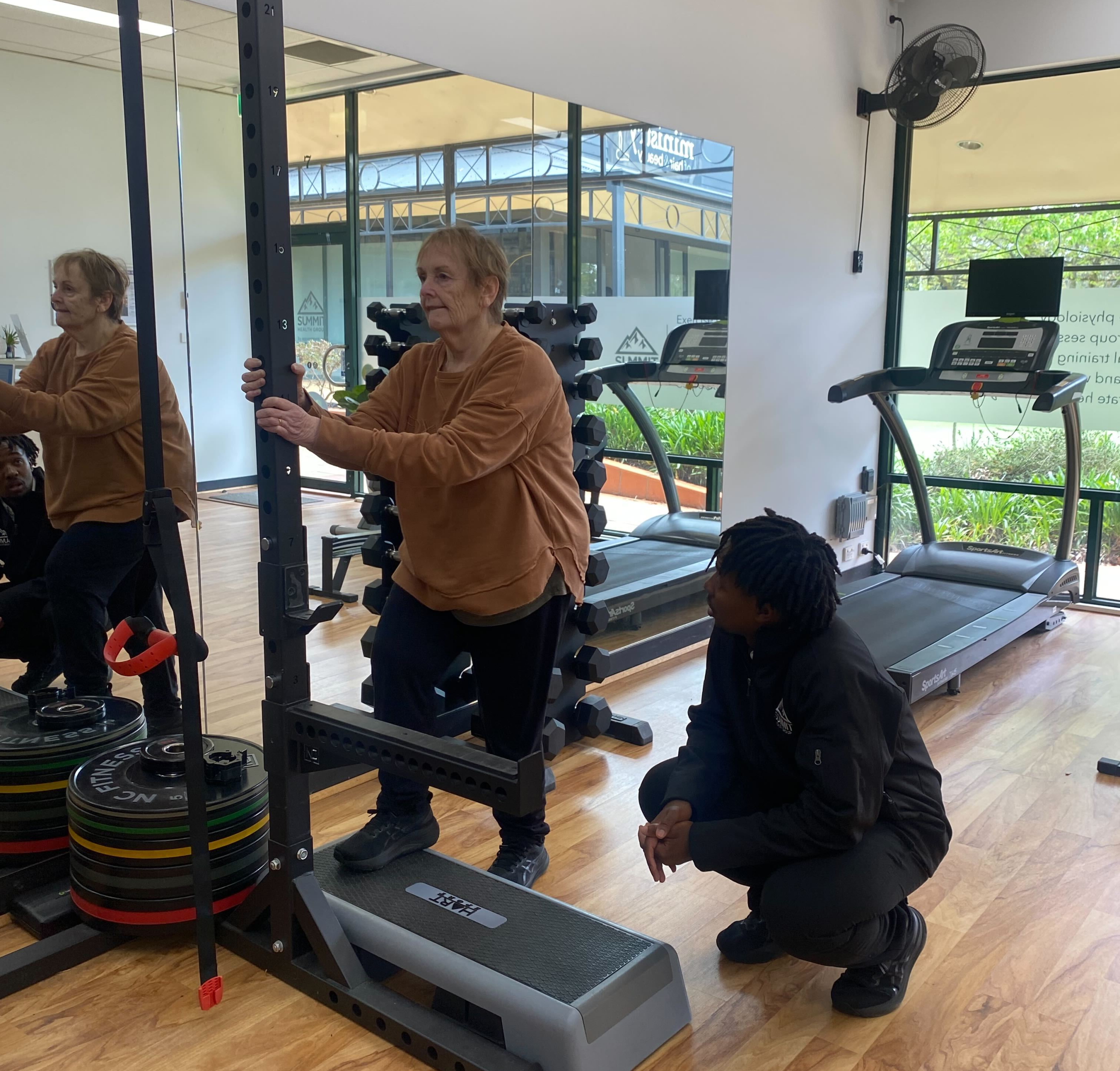
Staying strong, active and independent is one of the most important factors in healthy ageing. At Summit Health Group, our Senior Strength & Fitness Programs are designed specifically for older adults in Melbourne who want to maintain mobility, improve balance, build strength, and enjoy a higher quality of life. These programs are developed by qualified Exercise Physiologists who understand the unique needs, abilities and health considerations of seniors.
Ageing does not mean slowing down or giving up the activities you enjoy. With the right exercise guidance, older adults can significantly improve their physical function, reduce pain, prevent falls, and stay active in meaningful everyday tasks. Our programs focus on safe, effective movement and provide a supportive and encouraging environment where you can build confidence at your own pace.
Whether you are new to exercise, returning after an injury, or looking to stay active as you age, our Senior Strength & Fitness Programs offer personalised support to help you feel stronger, more balanced and more capable in day-to-day life.
Why Strength & Fitness Matter as We Age
As we grow older, the body naturally loses muscle mass, bone density and flexibility. This gradual loss of muscle is known as sarcopenia, and it can begin as early as our 40s. According to the Better Health Channel, the average body loses around 3kg of lean muscle every decade from middle age — and this loss accelerates noticeably after 60. For older adults across Melbourne, it’s one of the main reasons everyday tasks start to feel harder. Left unaddressed, this decline can lead to:
- Decreased stability and balance
- Osteoarthritis affecting the hips, knees and spine
- Reduced mobility
- Higher risk of falls
- Reduced independence
- Slower walking speed
- Joint pain or stiffness
- Difficulty performing daily tasks
Research published in Australian Ageing Agenda reports that one in five Australians over 60 are at significant risk of falls, fractures and chronic disease because of declining muscle mass. Yet more than 85% of Australians wrongly assume that any kind of activity is enough to prevent it. In reality, only progressive resistance training — exercise that steadily challenges the muscles with increasing load — has been shown to meaningfully slow and reverse sarcopenia.
The good news is that this decline is not inevitable. Older adults can build muscle, improve strength and enhance mobility at any age — even into their 80s and 90s. This is why the Australian Government’s physical activity guidelines recommend muscle-strengthening activity on at least two days each week for adults aged 65 and over.
Our Senior Strength & Fitness Programs at our Malvern and Blackburn clinics are built around exactly this. Rather than a short course, they’re designed as an ongoing weekly program that steadily builds strength, improves coordination, and supports healthy movement patterns — because the more consistent your training, the better your long-term results.
Who Can Benefit from Senior Fitness Programs?
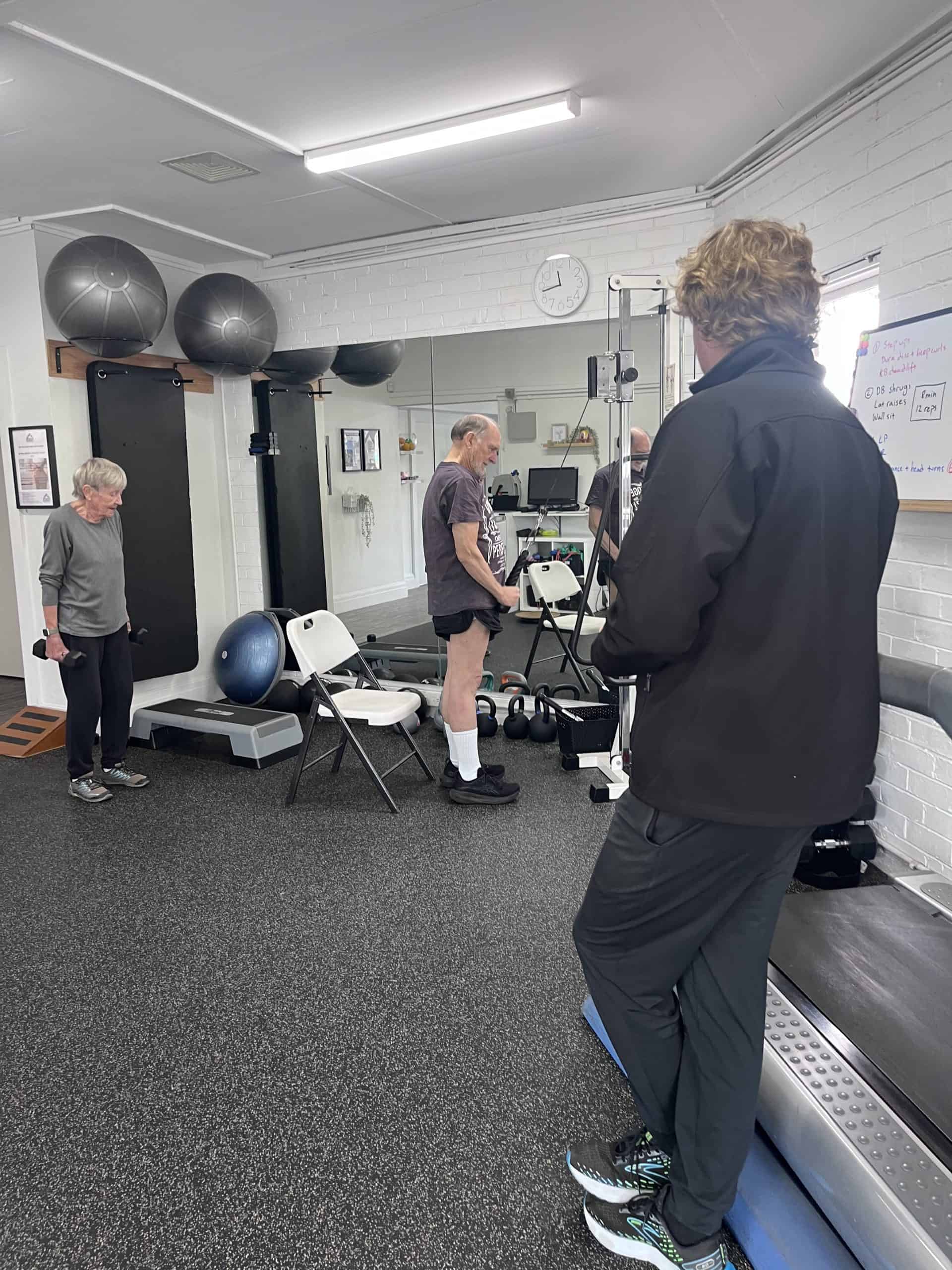
These programs are ideal for older adults who want to:
stay independent and active
improve balance and prevent falls
maintain or build muscle strength
reduce joint stiffness or pain
increase walking speed or endurance
improve posture and movement confidence
manage chronic conditions
stay socially engaged and motivated
learn safe, effective exercises tailored for seniors
You do not need any exercise experience to participate. Our clinicians guide you step-by-step and ensure every movement is safe and appropriate for your current ability.
Common Challenges Older Adults Face
Many seniors experience physical and emotional challenges related to declining fitness, such as:
- Feeling unsteady on their feet
- Fear of falling
- Reduced confidence during movement
- Slower mobility or difficulty with stairs
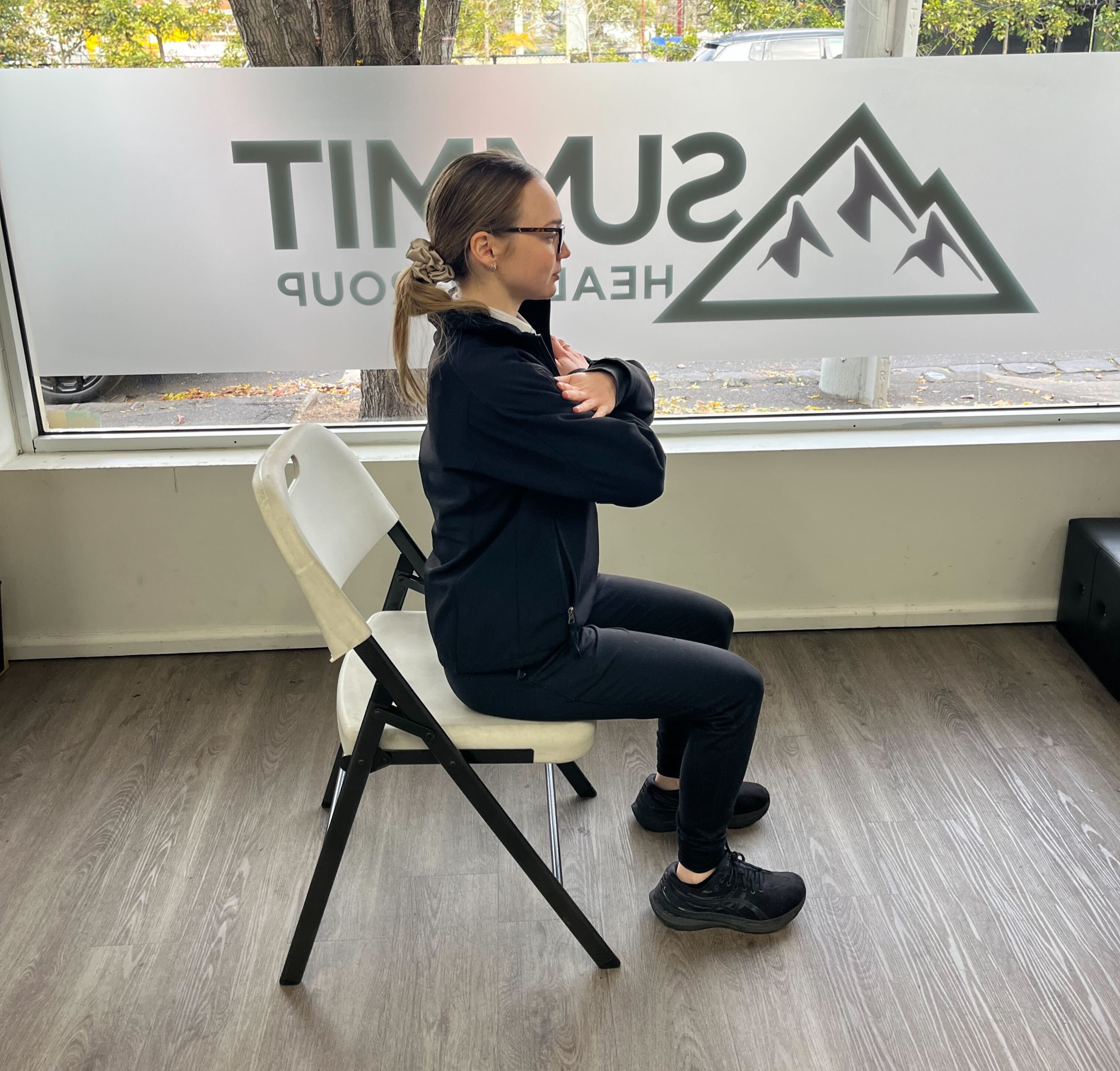
- Decreased strength when rising from a chair
- Challenges carrying groceries or household items
- Lower energy levels
- Wanting guidance but unsure where to start
We support older adults at all stages of ageing, from maintaining independence to improving balance and strength. These programs sit within our allied health services, supporting healthy ageing and mobility.
What to Expect in Your Senior Strength & Fitness Program
Your experience begins with a thorough assessment to understand your movement patterns, health history and personal goals. This may include:
This ensures your program is aligned with your needs, abilities and future aspirations.
Our Approach to Senior Strength & Fitness
We focus on evidence-based exercise prescription designed specifically for older adults. Every session is guided by an Exercise Physiologist who ensures safe technique, gradual progression and a supportive environment.
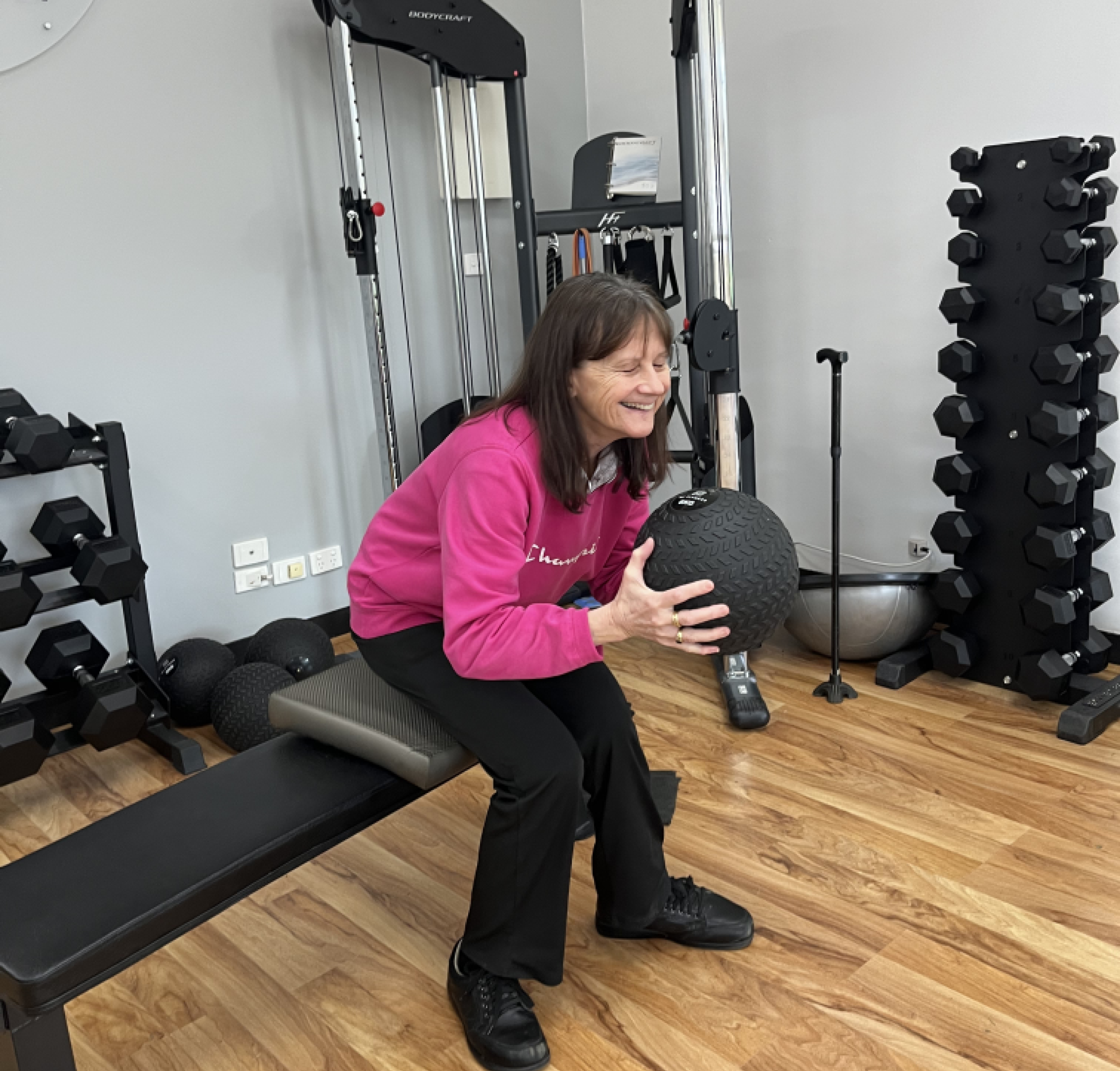
Strength Training for Everyday Function
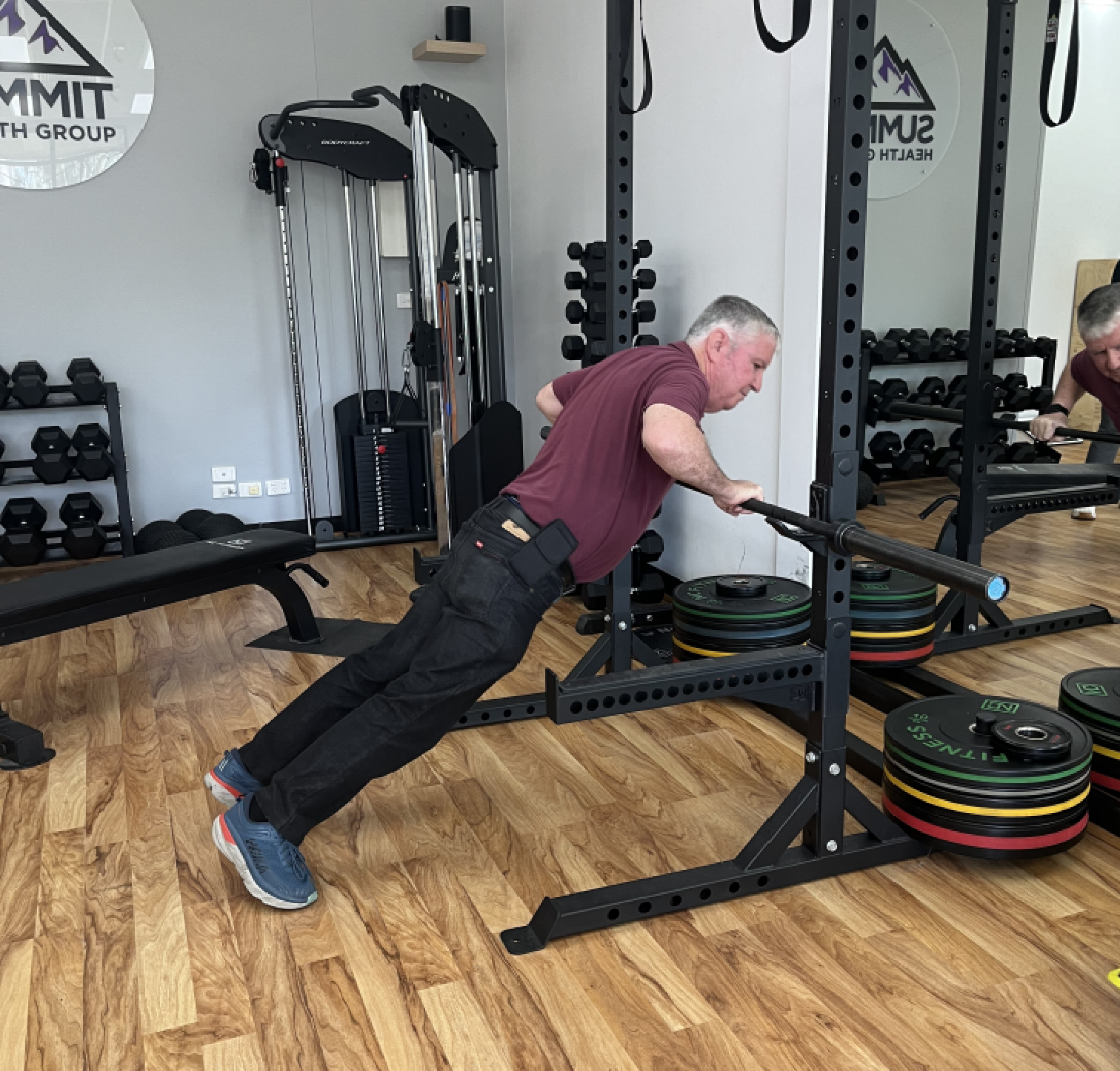
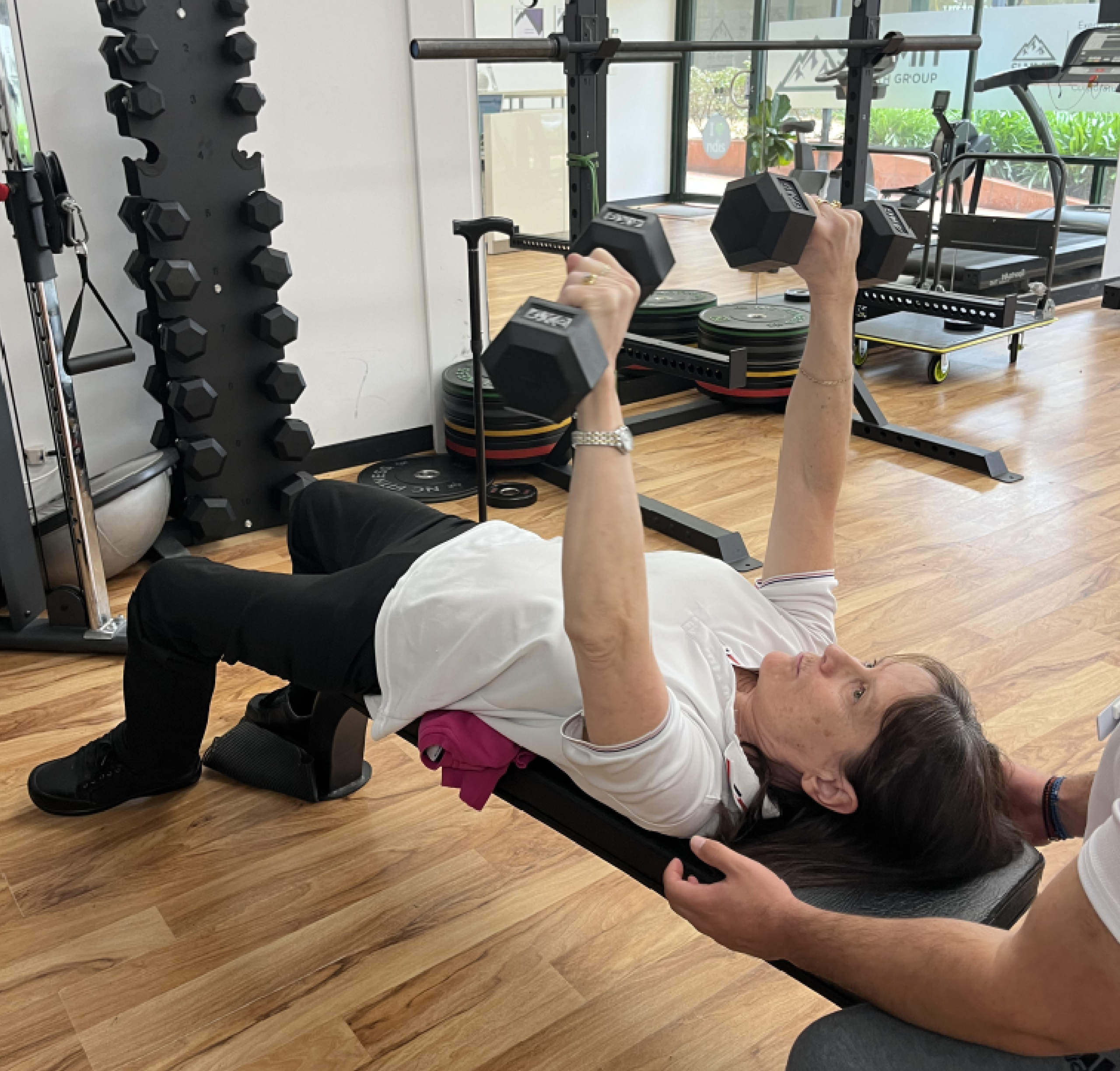
Strength improves your ability to complete daily tasks safely and comfortably. Your program may include:
- Leg and hip strengthening
- Upper-body resistance exercises
- Core and postural training
- Gentle weightlifting or resistance band work
- Functional exercises like squats, step-ups and sit-to-stand drills
Building strength helps support joints, reduces pain and increases confidence in movement.
Balance & Falls Prevention Training
We incorporate balance exercises to reduce fall risk and improve coordination, including:
- Single-leg balance work
- Step and reach movements
- Directional walking drills
- Controlled stability exercises
- Posture alignment and gait retraining
Better balance means greater safety and independence.
Mobility & Flexibility Exercises
Gentle mobility work helps improve stiffness, posture and range of motion. This can reduce discomfort and support smoother movement throughout the day.
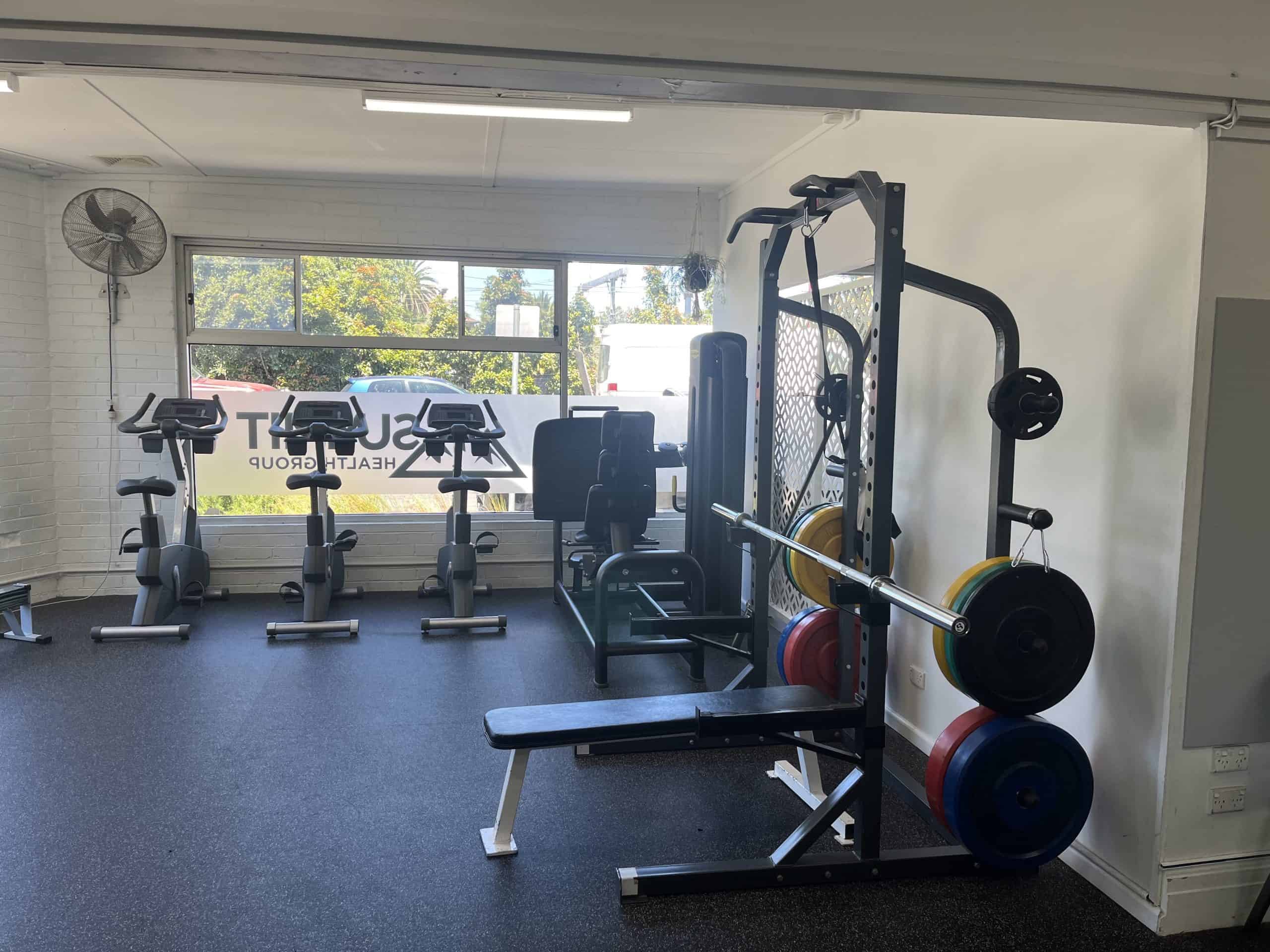
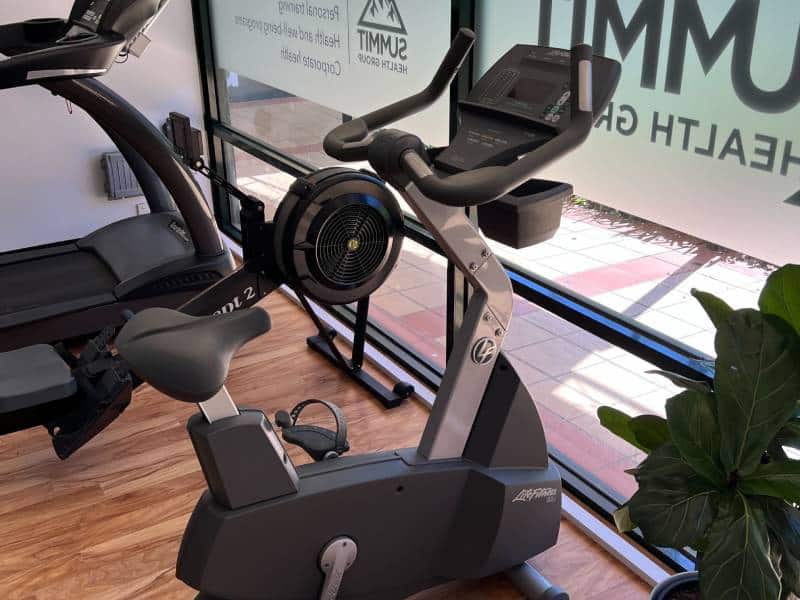
Cardiovascular Fitness
Light to moderate aerobic exercise supports heart health, improves stamina and enhances overall well-being. This may include:
- Walking
- Low-impact cardio
- Stationary cycling
- Paced functional movement drills
Functional Training
We incorporate exercises that simulate daily activities, such as:
- Climbing stairs
- Getting up from a low chair
- Bending to pick up objects
- Carrying light items
- Reaching overhead safely
This improves confidence and capability at home and in the community.
Benefits of Strength & Fitness Training for Seniors
With consistent participation, older adults may experience:
Improved muscle strength
greater balance and stability
reduced risk of falls
enhanced posture
reduced pain in joints and muscles
increased walking speed and confidence
improved energy levels
better bone health
enhanced mobility and independence
improved mental well-being and reduced anxiety
better management of chronic health conditions
Many clients find they can return to activities they thought were no longer possible.
Addressing Common Concerns About Exercise in Older Adults
“I’m too old to start exercising.”
Age does not limit the body’s ability to adapt. Improvements are achievable at any age.
“I’m worried I’ll injure myself.”
Our programs are supervised by qualified clinicians who tailor exercises to your safety and comfort.
“I haven’t exercised in years.”
Most of our senior clients start with little or no exercise background.
“I have joint pain. Can I still participate?”
Yes. Strengthening the muscles around painful joints often reduces discomfort.
“I’m afraid of falling during exercise.”
Your clinician ensures exercises are safe, supported and appropriate for your balance level.
“I don’t enjoy gyms.”
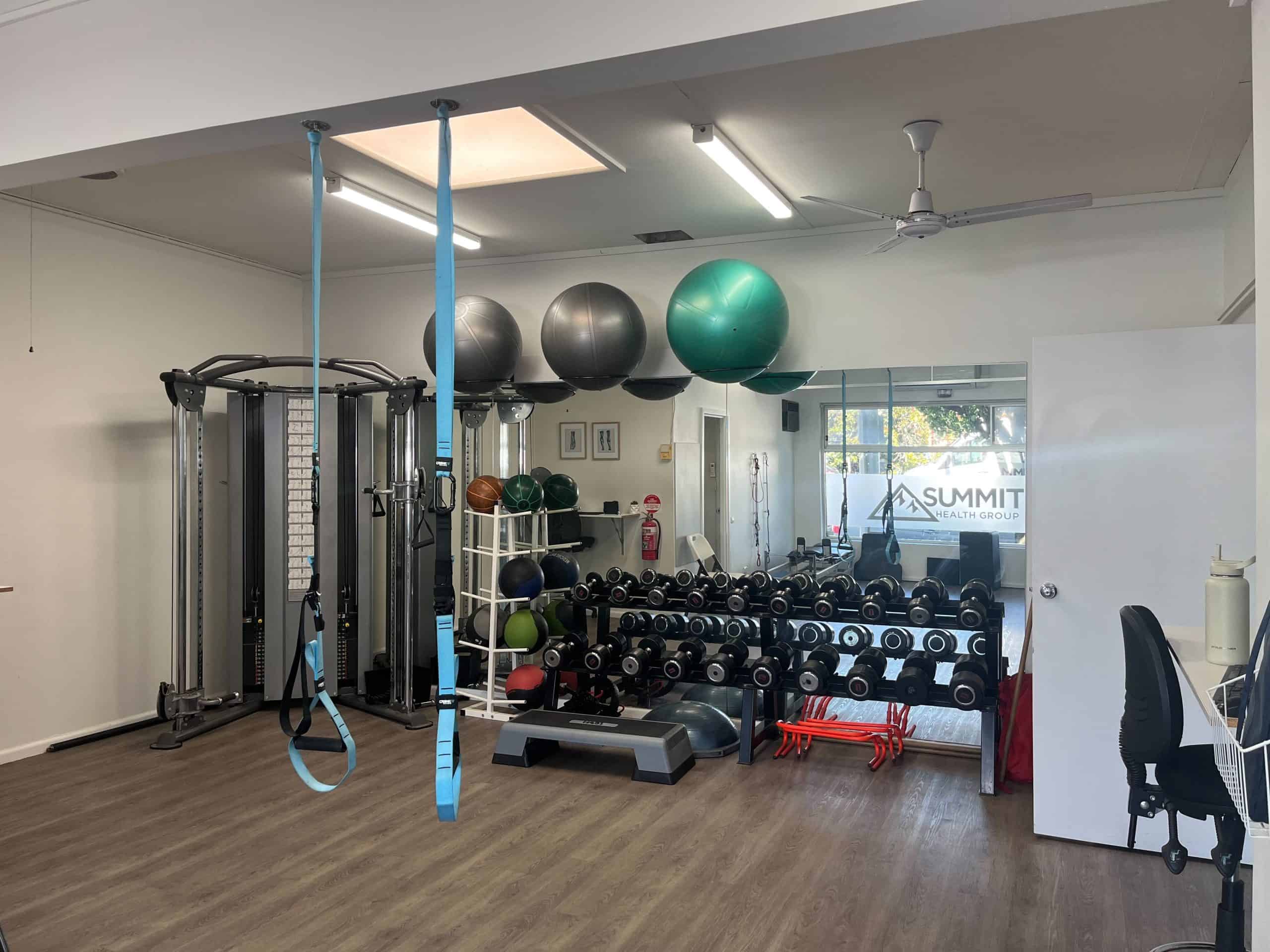
Our environment is welcoming, quiet, supportive and senior-friendly—not a commercial gym setting.
Why Choose Summit Health Group for Senior Fitness Programs
Expert Guidance from Accredited Exercise Physiologists
Our clinicians understand how ageing affects strength, balance and mobility. We tailor programs to each individual’s needs and health history.
A Supportive, Encouraging Environment
We prioritise comfort, confidence and safety. Sessions are personalised and paced to your comfort level.
Holistic Approach to Healthy Ageing
We look beyond exercise alone and consider lifestyle, social engagement, chronic conditions, mental wellbeing and functional needs.
Flexible Delivery Options
Choose from:
- in-clinic sessions
- home visit programs
- telehealth support
These options ensure accessibility and comfort for all seniors.
Focus on Long-Term Independence
Our goal is not just improving fitness—it is helping you maintain independence, reduce fall risk and enjoy everyday life with confidence.
Is This Program Right for You?
Our Senior Strength & Fitness Programs may be a perfect fit if:
- You want to stay active and independent
- You feel less steady on your feet
- You want to reduce your risk of falls
- Daily tasks are becoming more difficult
- You experience stiffness, weakness or low energy
- You want guidance from a qualified professional
- You want to stay socially connected and motivated
- You want to age well and maintain your quality of life
Whether your goal is staying active, preventing decline or improving your physical capacity, we’re here to support you.
Start Your Senior Strength & Fitness Program Today
Healthy ageing begins with movement. With personalised guidance, safe exercises and a supportive environment, you can build strength, improve balance and maintain independence at any age. Our clinicians are here to help you feel stronger, safer and more confident in your daily life.
Contact Summit Health Group today to book your Senior Strength & Fitness session and begin your journey toward active, healthy ageing.
Frequently asked questions
–What are senior strength and fitness programs? Structured exercise programs for adults over 60, delivered by accredited exercise physiologists at our Malvern and Blackburn clinics to rebuild strength, improve balance and protect independence. They run as an ongoing weekly program tailored to your health and goals — not a one-off course.
-Are senior strength programs safe if I haven’t exercised in a long time? Yes. Every program starts with a full assessment and begins at your current level, progressing gradually so training stays safe and comfortable — even if you haven’t exercised in years.
–Can these programs help with balance and mobility? Yes. Strengthening your legs, hips and core directly improves stability, walking and confidence on stairs, so balance and mobility work is built in alongside it to reduce falls risk.
–Do I need to be strong or fit to start a senior fitness program? No. These programs are designed for adults over 60 at every level, including complete beginners and those returning after injury or illness. We start where you are and build from there.
–How is senior strength training different from general fitness classes? Unlike a general class, an accredited exercise physiologist is university-trained to manage conditions common after 60 — osteoporosis, arthritis, diabetes, heart conditions. Every exercise and progression is designed around your health, not a generic workout.