
Strength for Seniors
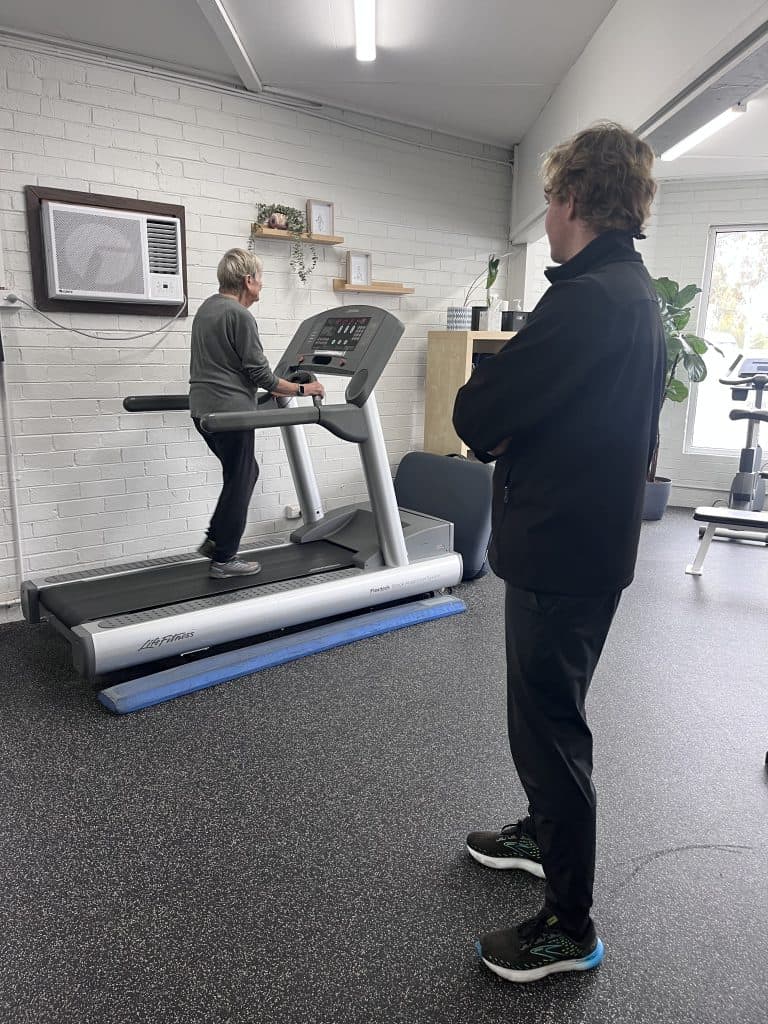
Strength is one of the most important foundations of healthy ageing. As we get older, our muscle mass, power and balance naturally decline — a process known as sarcopenia. This decline affects mobility, independence, bone health and confidence in daily activities. But research consistently shows that the right exercise program can slow, prevent and even reverse age-related strength loss.
Summit Health Group’s Strength for Seniors Program is designed to help older adults build strength, improve mobility, enhance balance and maintain independence. Delivered by Accredited Exercise Physiologists, the program provides safe, evidence-based training tailored to your health conditions, physical ability and personal goals.
Whether you want to stay active, prevent falls, increase confidence, reduce joint pain or improve overall wellbeing, strength training is the most effective, long-term solution — and it’s never too late to start.
Why Strength Training Is Essential for Seniors
Strength training is a form of exercise that uses resistance — such as body weight, bands or weights — to improve muscle mass, power and functional ability. For older adults, it is one of the most beneficial types of physical activity because it:
- increases muscle strength and endurance
- improves balance and reduces falls
- supports healthy bones and bone density
- reduces joint pain and stiffness
- improves mobility and confidence
- enhances cardiovascular health
- supports weight control and metabolism
- improves posture and core stability
- increases independence in daily tasks
- slows or reverses age-related strength loss
Strength training benefits not just the body but also cognitive function, mood and energy levels.
Who This Program Is For
Our Strength for Seniors Program is ideal for older adults who:
- want to maintain or improve independence
- feel weaker, slower or less steady than before
- experience difficulty getting out of chairs
- have reduced balance or fear of falling
- want to stay active and mobile
- have osteoporosis, osteoarthritis or chronic pain
- want a safe exercise program supervised by health professionals
- haven’t exercised in a long time and don’t know where to start
- want to build lifelong strength and confidence
- need exercise tailored to medical conditions
You do not need to be fit, active or strong to begin — we start at your level and progress safely.
Understanding the Impact of Age-Related Muscle Loss
Most people begin to lose muscle mass in their 40s and 50s, but the rate of decline accelerates after age 60. Without strength training, older adults can lose up to 3–5% of muscle every decade — resulting in:
- reduced mobility
- slower walking speed
- decreased balance
- higher fall risk
- difficulty lifting or carrying objects
- reduced independence
- increased fatigue
- joint and back pain
Strength training is the only proven method to rebuild and maintain muscle as we age.
What to Expect in Your Strength for Seniors Assessment
Your Exercise Physiologist will begin with a comprehensive assessment, including:
- mobility and flexibility
- muscle strength and endurance
- balance and stability testing
- walking speed and gait analysis
- joint pain and movement limitations
- medical conditions and medications
- functional tasks (e.g., sit-to-stand, stepping)
- your personal goals and daily activity needs
This assessment helps us design a personalised strength program that is safe, achievable and effective.
What’s Included in a Strength for Seniors Program
Your program is tailored to your abilities and may include:
Strength Training
Strength training improves muscle mass, balance and overall physical function. Exercises may include:
- sit-to-stand drills
- step-ups
- resistance band exercises
- leg strengthening (quads, glutes, calves)
- upper-body strengthening (arms, back, shoulders)
- core and postural exercises
- safe lifting techniques
Strength exercises are progressed gradually, ensuring safety and comfort.
Balance & Stability Training
Balance is essential for fall prevention and confidence. Training may include:
- single-leg balance practice
- stepping patterns
- posture and alignment work
- ankle and foot strengthening
- gait training
- dynamic balance exercises
Better balance reduces fear of falling and increases independence.
Mobility & Flexibility Work
Many older adults experience stiffness in the hips, knees, back and shoulders. Mobility exercises help:
- improve joint movement
- reduce stiffness
- decrease pain
- support better posture
- make daily tasks easier
Mobility is a key part of healthy ageing.
Functional Training
Functional exercises mimic real-life activities, helping you maintain independence. These include:
- bending and lifting
- reaching and carrying
- stair stepping
- transitioning from floor to standing
- walking and turning exercises
Functional training ensures the strength you build is useful and meaningful.
Low-Impact Aerobic Conditioning
Aerobic exercise supports heart health, endurance and energy levels. Examples include:
- walking
- cycling
- light-intensity circuits
- machine-based aerobic exercise
Cardiovascular fitness helps maintain long-term health and vitality.
Benefits of Strength Training for Older Adults
Clients commonly experience:
Improved Strength
Daily tasks like standing, climbing stairs and carrying objects become easier.
Better Balance & Reduced Falls
Strengthening the legs, core and stabilisers improves steadiness.
Increased Bone Density
Weight-bearing exercise supports bone health and reduces fracture risk.
Reduced Joint Pain
Stronger muscles support joints and reduce strain.
Improved Mobility
Movement becomes smoother, easier and more confident.
Better Posture
Strength and flexibility work improve alignment.
More Energy & Stamina
Regular exercise boosts overall vitality.
Greater Independence
You can continue doing the activities you value most.
Improved Mood & Cognitive Function
Exercise boosts mental clarity, confidence and emotional wellbeing.
Addressing Common Concerns
“I’ve never done strength training before.”
That’s okay — we start with simple, safe exercises and build up gradually.
“I’m afraid I’ll hurt myself.”
Strength training with an Exercise Physiologist is extremely safe and always adapted to your comfort.
“I have joint pain — can I still participate?”
Yes. We modify exercises to reduce pain and strengthen the muscles that support your joints.
“I feel too unfit to start.”
There is no required fitness level — the program is designed for beginners and older adults.
“I don’t like gyms.”
This is a clinical environment with personalised guidance, not a busy gym.
Why Choose Summit Health Group
Accredited Exercise Physiologists
Experts in strength training for older adults and chronic conditions.
Personalised, Safe and Evidence-Based Programs
All exercises are specific to your needs, comfort and medical conditions.
Holistic Approach
Addressing mobility, balance, strength, confidence and overall wellbeing.
Supportive and Encouraging Environment
We help you progress at your pace with compassionate guidance.
Flexible Delivery Options
In-clinic, home visits and telehealth available.
Long-Term Focus
We build sustainable habits that support healthy ageing for years to come.
Start Your Strength for Seniors Program
It’s never too late to get stronger. Whether you want to move with confidence, reduce pain, prevent falls or simply feel better day to day, personalised strength training can transform your quality of life.
Take the next step toward maintaining your independence and wellbeing.
Contact Summit Health Group today to begin your Strength for Seniors Program.