
Osteoarthritis & Joint Pain
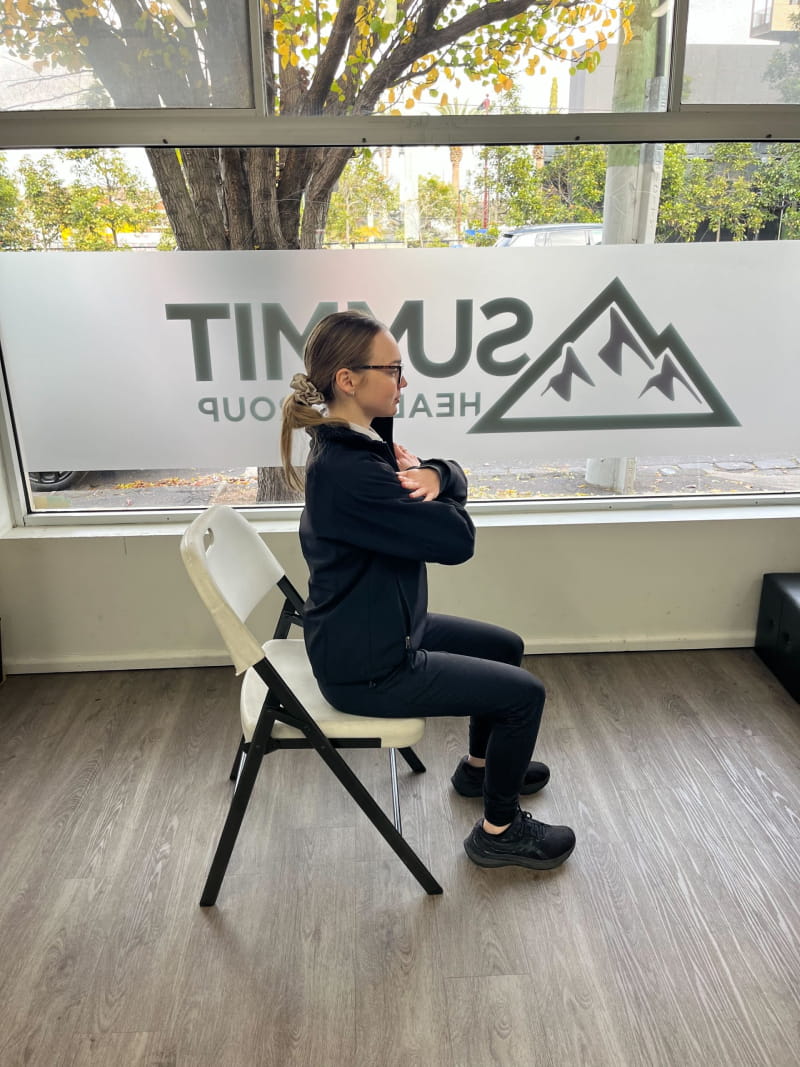
Osteoarthritis and joint pain can affect every aspect of daily life—from getting out of bed in the morning to enjoying hobbies, social activities or exercise. At Summit Health Group, we provide evidence-based, personalised care to help you move with less pain, improve joint function and regain confidence in your body. Our Exercise Physiologists specialise in designing safe, targeted programs that strengthen the muscles surrounding your joints, improve mobility and support long-term joint health.
Living with joint pain can be frustrating and discouraging. Many people feel stuck between avoiding movement because of discomfort and wanting to stay active to manage their health. Our goal is to help you break that cycle. With structured exercise, personalised guidance and holistic support, we help you reduce pain, improve movement and build the strength needed to stay active at every stage of life.
For older adults specifically managing knee pain, see our knee pain exercise program Melbourne page.
10+
Years Experience
2
Melbourne Clinics
1:4
Max Class Ratio
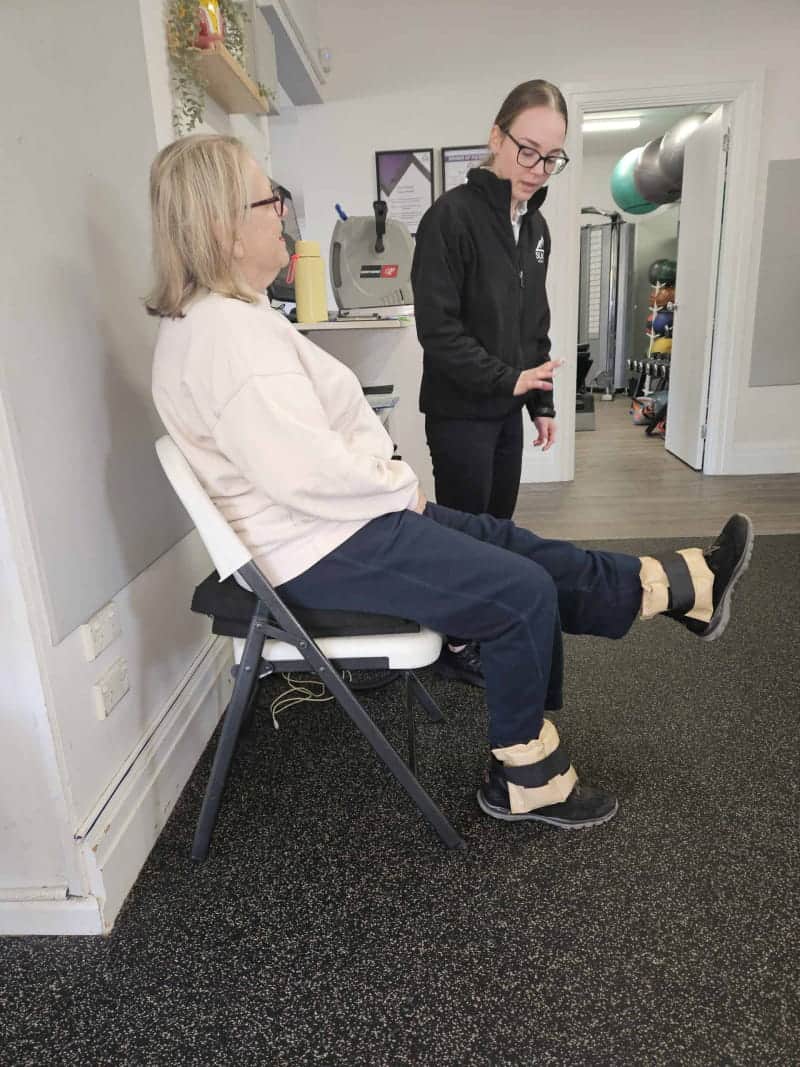
Understanding Osteoarthritis & Joint Pain
Osteoarthritis (OA) is a common condition that involves the gradual wearing down of cartilage—the cushioning tissue between bones. When the cartilage thins, joints may become stiff, swollen, painful and less mobile. OA can affect any joint, but it is most common in the knees, hips, hands and spine.
Joint pain doesn’t always mean osteoarthritis, however. It may also stem from:
- muscle weakness
- inflammation or swelling
- poor movement patterns
- previous injuries
- reduced mobility
- tendon or ligament issues
- general deconditioning
- age-related changes
Regardless of the cause, targeted exercise is one of the most effective ways to manage symptoms and improve joint function.
Osteoarthritis does not necessarily worsen with movement—in fact, the right type of exercise can strengthen the joint, improve lubrication, and reduce symptoms. Our clinicians help you understand your condition and guide you through safe, effective exercises tailored to your needs.
Common Symptoms of Osteoarthritis & Joint Pain
People with OA or joint discomfort often experience:
- stiffness in the morning or after resting
- pain during or after activity
- reduced range of motion
- swelling or tenderness around the joint
- weakness or instability
- difficulty with daily tasks such as walking, climbing stairs, standing up or lifting
- fear of movement due to pain or past injuries
These symptoms can vary from mild to severe and may come and go depending on your activity levels, stress, posture or overall health.

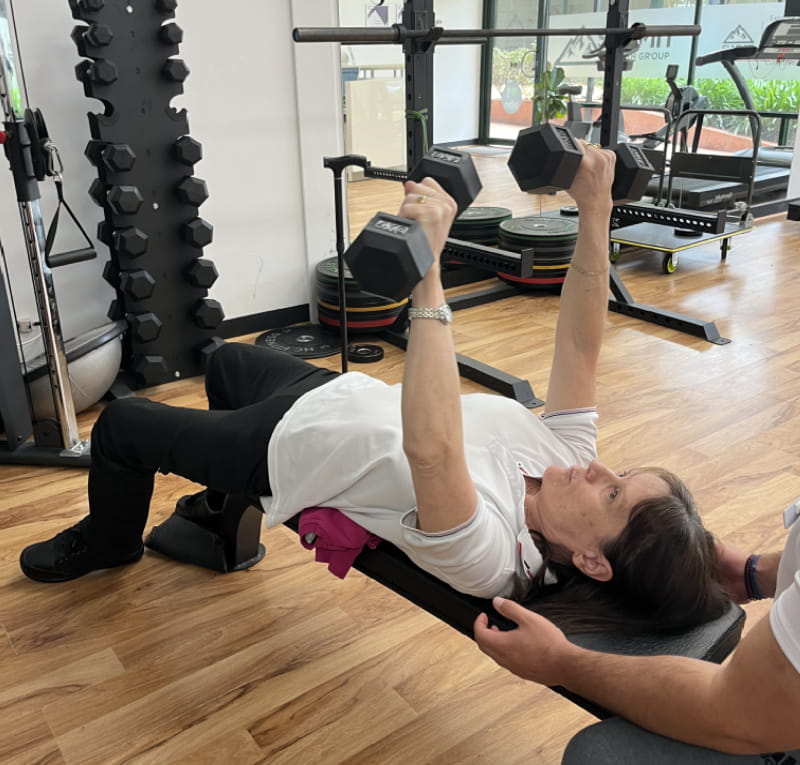
Why Exercise Is Essential for Managing Osteoarthritis
Who Can Benefit From This Service?
Our Osteoarthritis and Joint Pain programs are ideal for people who:
- have been diagnosed with osteoarthritis
- experience chronic or recurring joint pain
- have stiffness or difficulty with daily activities
- want to avoid or delay joint replacement surgery
- have undergone surgery and want to regain function
- want to stay active but feel limited by discomfort
- are unsure which exercises are safe
- want personalised support from a qualified clinician
We work with clients of all ages—from young adults managing old injuries to older adults wanting to maintain mobility and independence.

Our Approach to Treating Osteoarthritis & Joint Pain
At Summit Health Group, we combine evidence-based exercise programs, education and holistic care to help you manage joint pain and move with confidence.
Comprehensive Assessment
Your first appointment includes a full assessment covering:
- joint mobility and strength
- gait and posture
- functional movement patterns
- balance and stability
- pain triggers and limitations
- lifestyle and activity goals
This helps us identify what’s contributing to your discomfort and how we can address it safely.
Personalised Exercise Programs
Every program is tailored to your diagnosis, mobility level and goals. This may include:
- targeted strength training
- functional exercises that mimic daily activities
- balance and stability exercises
- low-impact aerobic conditioning
- mobility and flexibility work
- technique coaching
- gradual progression to build tolerance
The aim is not only to reduce pain but also to build strength and confidence so you can stay active long-term.
Education & Pain Management Strategies
Understanding your condition is key to managing it effectively. We explain:
- how osteoarthritis affects your joints
- which movements help vs aggravate symptoms
- how to pace your activities
- strategies for managing flare-ups
- how to move with proper technique
Education helps reduce fear, uncertainty and avoidance—common barriers that prevent people from staying active.
Holistic, Multi-Disciplinary Care
Joint pain rarely occurs in isolation. Our clinicians take a whole-body approach, considering:
- lifestyle
- stress
- sleep
- weight management
- general fitness
- mental wellbeing
This holistic perspective helps support long-term results and quality of life.
Progress Monitoring & Support
We track improvements in strength, mobility, pain levels and daily function. As your body adapts, we adjust your exercises to keep you improving at a safe and sustainable pace.
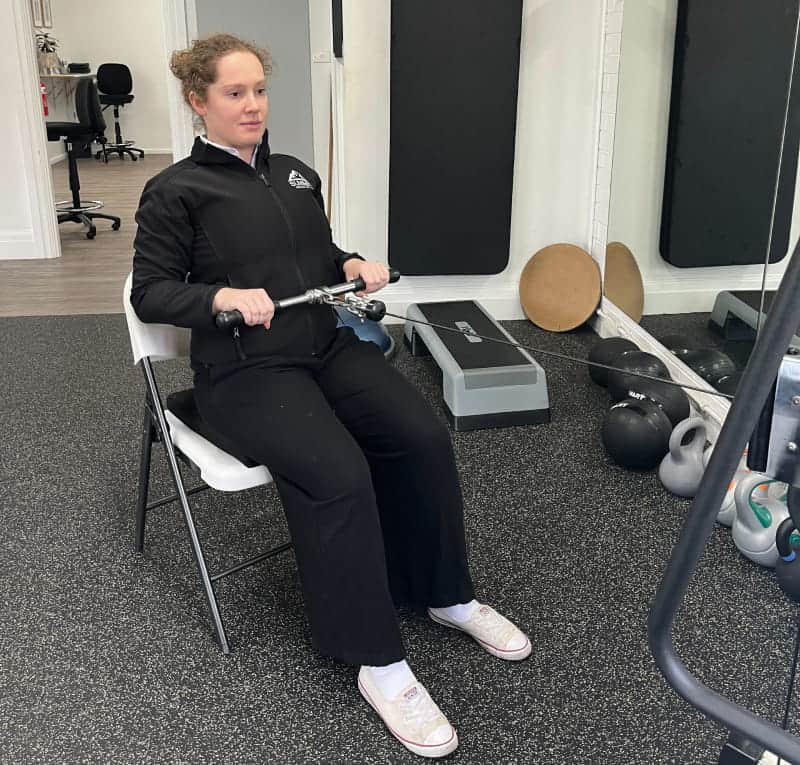
Types of Joint Pain We Commonly Treat
Joint pain can develop for many reasons. Our Exercise Physiologists frequently treat conditions such as:
- knee osteoarthritis
- hip osteoarthritis
- shoulder osteoarthritis
- spinal or lumbar stiffness
- ankle or foot pain
- wrist or hand joint pain
- post-injury joint instability
- age-related joint degeneration
- tendon irritation or overload
Each case is unique, and we tailor every program to the specific joint and condition.
How Exercise Helps Specific Joints
Knee Osteoarthritis
Strengthening the quadriceps, glutes and hamstrings reduces pressure on the knee joint, improves stability and helps alleviate pain during walking, standing or climbing stairs.
Hip Osteoarthritis
Targeted strengthening of the hip stabilisers improves pelvic control, reduces limping and enhances movement patterns.
Shoulder & Upper Limb Pain
Strength and mobility exercises improve joint alignment, reduce irritation and support everyday tasks such as lifting, reaching or carrying.
Spine & Lower Back Stiffness
Improving core strength, posture and flexibility can significantly reduce discomfort and enhance daily mobility.
Addressing Common Misconceptions About Osteoarthritis
“Exercise will make my arthritis worse.”
The right exercise reduces pain and protects your joints—it does not worsen arthritis.
“I should rest as much as possible.”
Too much rest can lead to stiffness, weakness and reduced mobility.
“I’m too old to start exercising.”
Age is not a barrier. With guidance, most people gain strength and mobility at any age.
“Surgery is my only option.”
Many people delay, reduce or avoid surgery altogether through structured rehabilitation.
“My joints are bone-on-bone, so exercise won’t help.”
Strengthening surrounding muscles often provides substantial pain relief and improved function.
Why Choose Summit Health Group for Joint Pain Management
Clinicians Who Specialise in OA & Joint Pain
Our Exercise Physiologists have extensive experience helping people manage osteoarthritis and joint discomfort safely and effectively.
Holistic, Whole-Body Focus
We don’t just treat the painful joint—we examine the entire movement system to enhance function and balance throughout the body.
Evidence-Based Exercise Prescription
Your program is based on contemporary research showing that structured strength and conditioning is the most effective long-term management strategy for OA.
Supportive, Patient-Centred Care
We meet you at your current level and guide you gradually, building confidence along the way.
Flexible Delivery Options
Choose in-clinic sessions, home visits or telehealth—whatever best fits your mobility and lifestyle.
Our osteoarthritis programs sit within our broader allied health services, supporting joint health, mobility and long-term pain management.
Is This Program Right for You?
Our Osteoarthritis & Joint Pain service may be right for you if:
- pain affects your mobility or daily function
- stiffness or weakness makes movement difficult
- you want to improve joint health without relying solely on medication
- you’re preparing for or recovering from joint surgery
- you want a guided exercise to stay active safely
- you’ve been avoiding movement because you’re unsure what’s safe
If you’re experiencing ongoing joint discomfort, you don’t have to manage it alone. Our team can help you take the next steps toward a more active and comfortable life.

Start Your Joint Pain Program Today
Managing osteoarthritis and joint pain doesn’t have to feel overwhelming. With the right exercise plan, expert guidance and personalised support, you can improve mobility, reduce pain and regain confidence in your body.
Contact Summit Health Group today to book your initial consultation and begin your tailored Osteoarthritis and Joint Pain program.
Frequently Asked Questions About Osteoarthritis Exercise
Is it safe to exercise if I have osteoarthritis? Yes. Exercise programs for osteoarthritis are designed to be safe and joint-friendly. Movements are selected and progressed carefully to avoid overloading the joints while still improving strength, mobility, and function.
What types of exercise are best for osteoarthritis? Strength training, low-impact aerobic exercise, and mobility work are commonly recommended for osteoarthritis. These exercises help support the joints, reduce stiffness, and improve overall movement confidence.
Can exercise help delay or avoid surgery for osteoarthritis? In many cases, structured exercise can help manage symptoms and improve function enough to delay or avoid surgery. While exercise cannot reverse osteoarthritis, it can play a significant role in long-term symptom management.
How is osteoarthritis exercise different from general fitness training? Osteoarthritis exercise focuses on joint protection, pain management, and functional movement. Programs are tailored to the affected joints and individual symptoms, rather than general fitness or performance goals.