
Exercise for osteoporosis in Melbourne
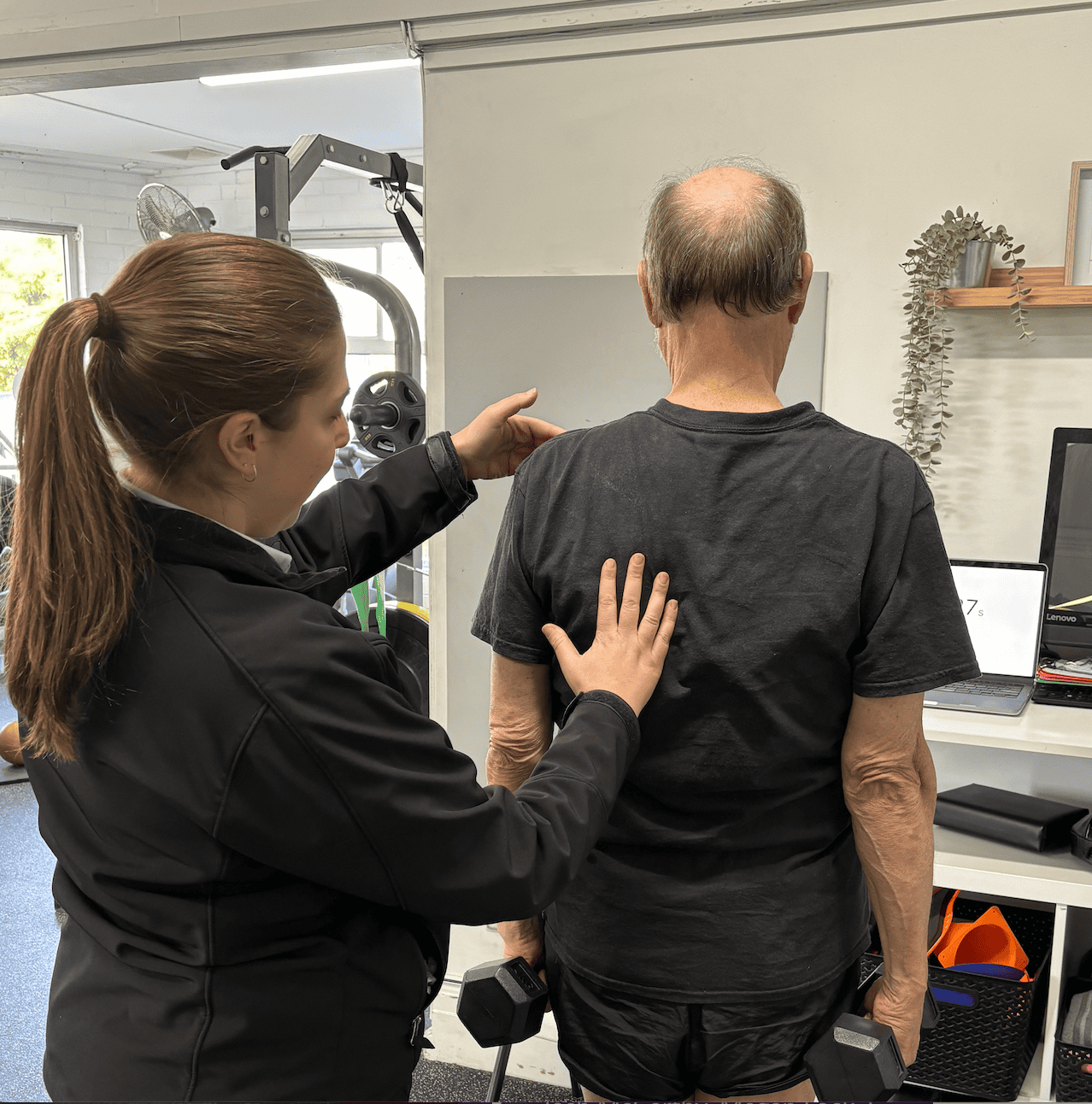
At Summit Health Group, our Osteoporosis and Bone Health programs are designed to help you build stronger bones, improve mobility, and reduce your risk of fractures. Osteoporosis and osteopenia are common conditions—especially as we age—yet many people are unsure how to manage them safely. Our Exercise Physiologists create individualised, evidence-based exercise plans that focus on improving bone density, increasing muscle strength, enhancing balance and supporting long-term skeletal health.
We understand that living with low bone density can feel limiting or even frightening. Many people fear falling, avoid physical activity, or feel uncertain about which exercises are safe. Our goal is to replace fear and confusion with confidence and clarity. Through targeted strength training, functional movements, and expert education, we help you take control of your bone health and stay active in everyday life.
10+
Years Experience
2
Melbourne Clinics
1:4
Max Class Ratio
Understanding Osteoporosis and Osteopenia
Osteoporosis is a condition where bones become thinner, weaker and more prone to fractures. Osteopenia is the stage before osteoporosis, where bone density is lower than normal but not yet in the high-risk range. These conditions are often called “silent diseases” because they typically progress without symptoms until a fracture occurs.
Bone loss can happen due to age, hormonal changes, inactivity, nutritional deficiencies, medical conditions, or long-term medication use. The good news is that research consistently shows that the right type of exercise can slow, stop and in some cases reverse bone loss—especially when guided by qualified clinicians.
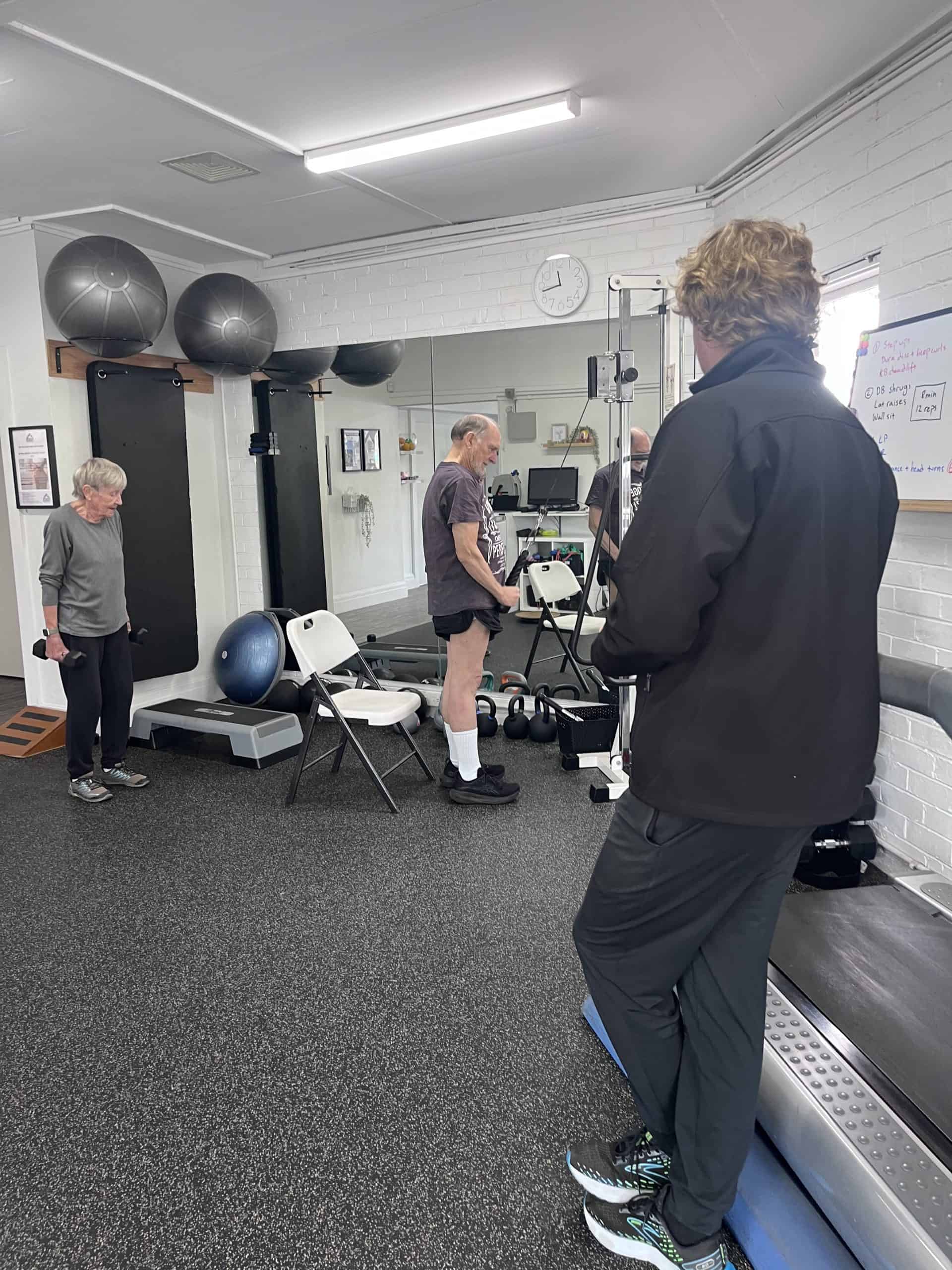
Our team provides structured, safe and progressive exercise programs that help stimulate bone growth, strengthen muscles and improve posture and balance. These strategies reduce the likelihood of falls and fractures and support long-term independence.
Who Can Benefit from Bone Health Exercise Programs?
- individuals diagnosed with osteoporosis or osteopenia
- older adults wanting to maintain bone strength
- people at risk of falls or balance issues
- clients recovering from fractures
- those experiencing joint pain or age-related weakness
- individuals with a family history of low bone density
- people who lead sedentary lifestyles
- anyone wanting to improve long-term musculoskeletal health
You do not need severe symptoms to benefit. Early intervention can make a significant difference in future bone strength and fracture risk.
Why Exercise Is Essential for Bone Health
Bones respond to stress. When we place load, tension or impact through the skeleton, bone cells respond by strengthening the structure. This is why exercise is considered one of the most effective treatments for osteoporosis and osteopenia.
The types of exercise shown to improve bone density include:
Not all exercises are safe or effective for low bone density, which is why professional guidance matters. Our clinicians teach you how to load the skeleton safely, how to progress intensity and how to avoid movements that increase fracture risk.
What your osteoporosis exercise program includes
Every program is built around your bone density, mobility and confidence, and combines the elements clinical research shows are most effective for bone health:
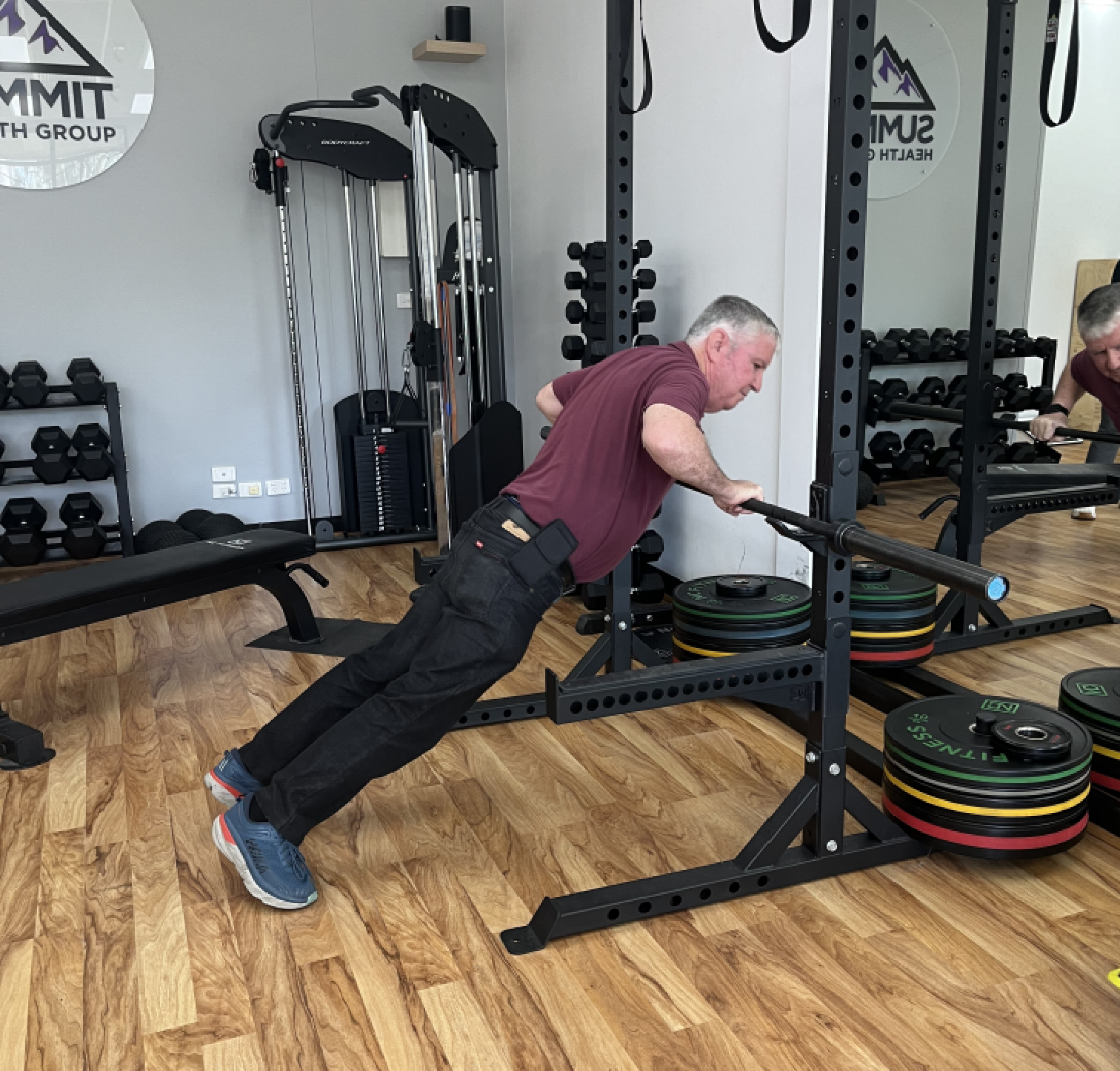
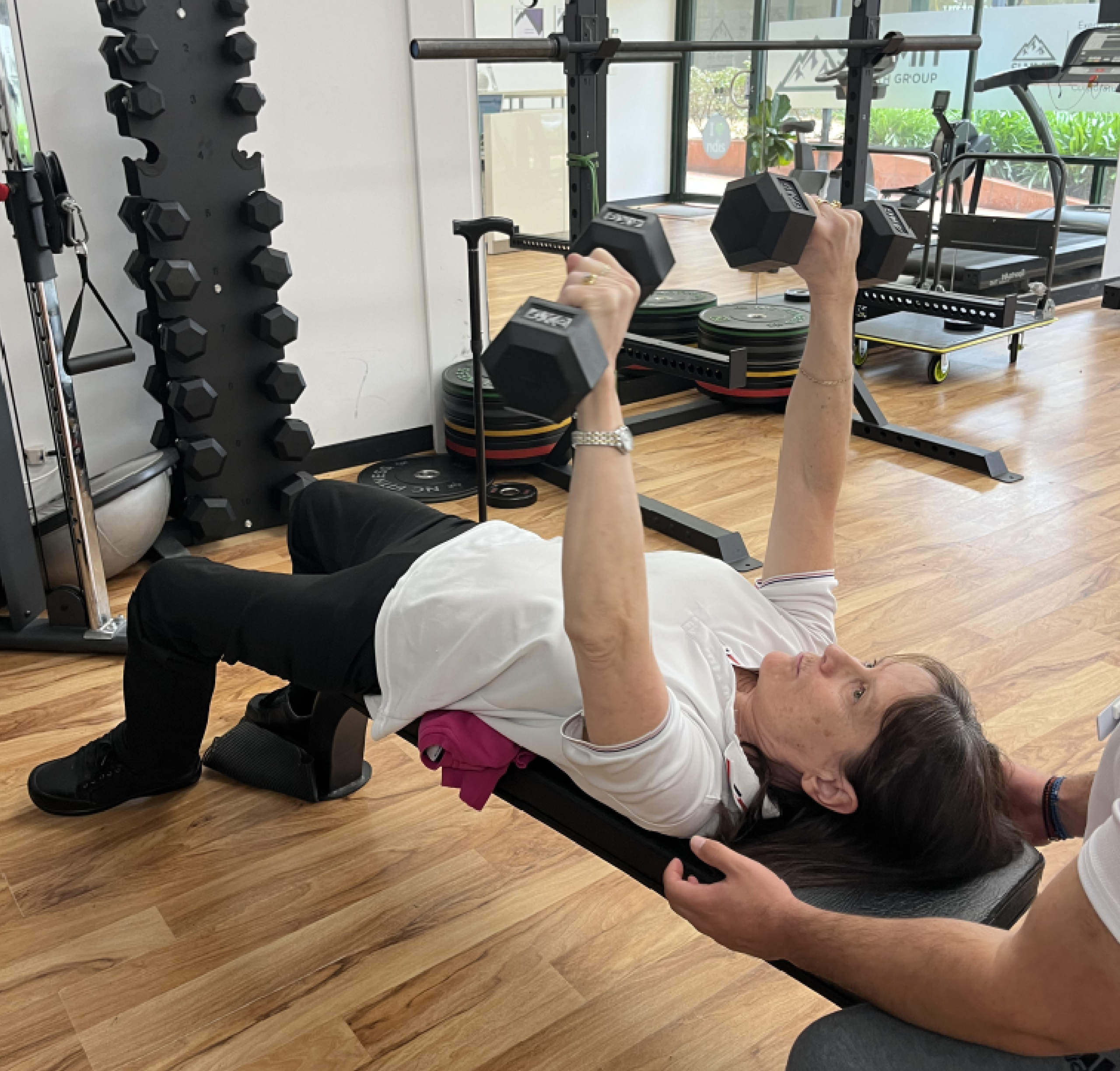
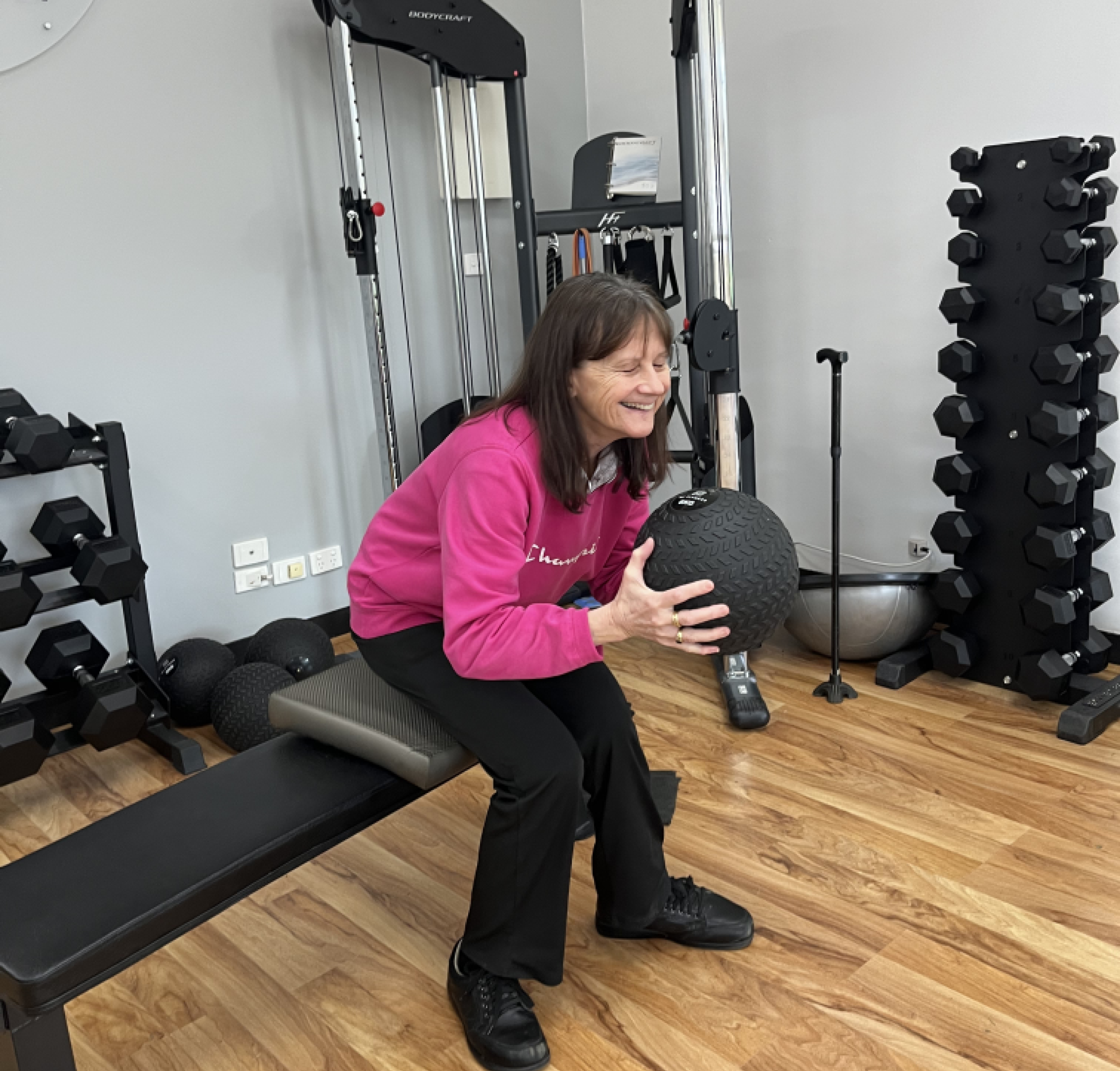
- Resistance and strength training — squats and sit-to-stands, step-ups, hip and leg strengthening, rows and presses, core and postural work, progressed gradually to load the spine, hips and wrists safely.
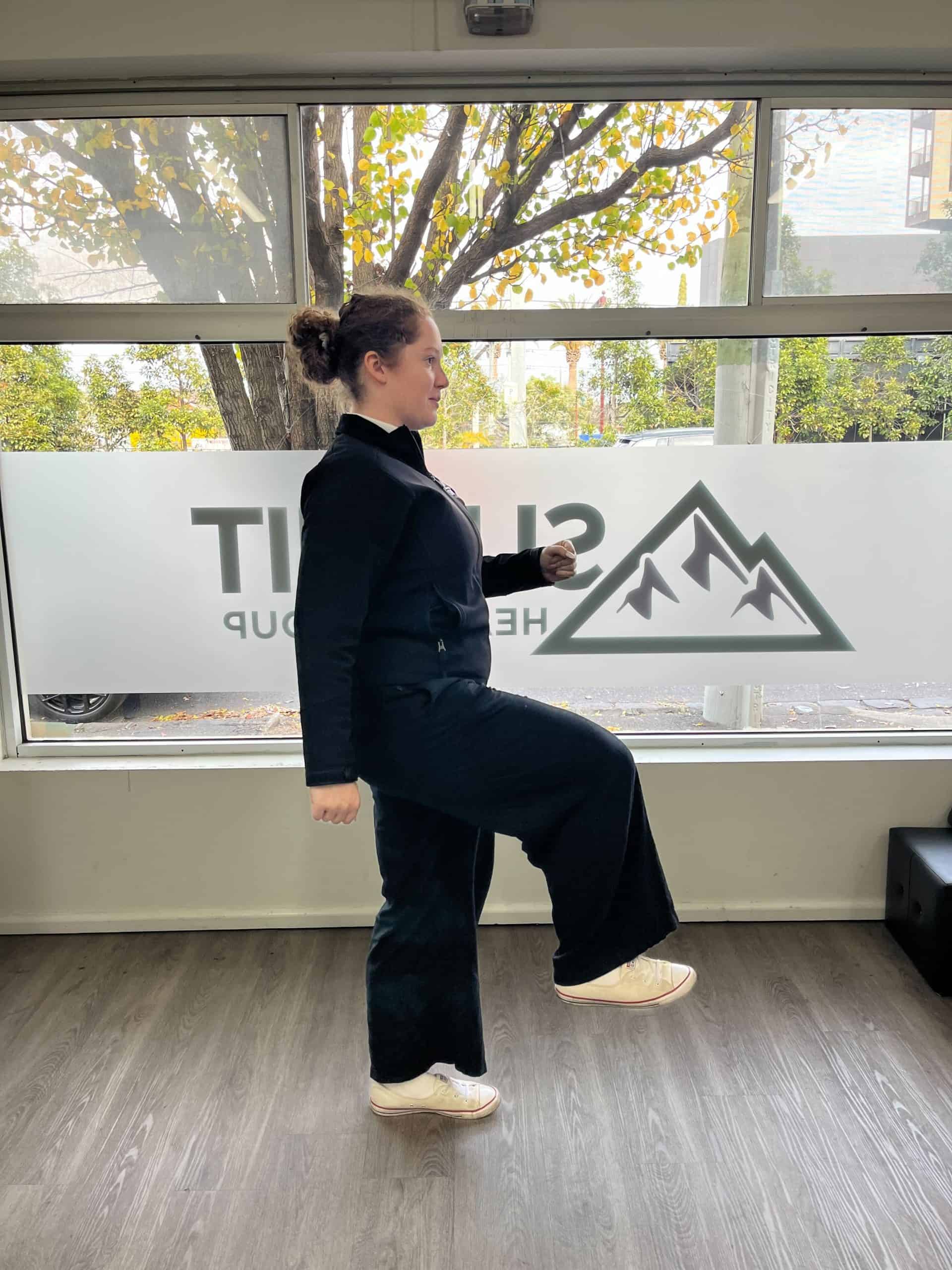
- Safe, weight-bearing impact — heel drops, gentle hops or step-downs, introduced only once your fracture risk and confidence have been assessed.
- Balance and fall-prevention training — single-leg work, weight-shifting, gait retraining — because protecting bones means preventing the falls that break them.
- Posture and spinal strengthening — thoracic extension and alignment work to reduce the risk of spinal compression fractures.
- Education and self-management — how to bend, lift and move safely day to day, and how to keep building bone strength at home.
Is osteoporosis exercise safe?
Yes — when it’s prescribed and supervised by an accredited exercise physiologist. The wrong movements can raise fracture risk, which is exactly why professional guidance matters. In every program we deliberately avoid high-risk loaded forward bending of the spine, sudden twisting under load, and uncontrolled impact. Resistance and impact are introduced gradually, with correct technique and alignment, and monitored throughout each session.
Our Approach to Osteoporosis & Bone Health
At Summit Health Group, we take a holistic, evidence-based approach to managing low bone density. This includes:
Comprehensive Assessment
Your first session includes a review of your medical history, bone density results, current activity levels, fall risk factors and movement patterns. We assess strength, balance, posture and functional mobility to understand your baseline and tailor your program accordingly.
Education & Lifestyle Guidance
Understanding your condition empowers you to manage it better. We educate you on safe movement, posture, fall prevention strategies and how to incorporate bone-strengthening habits into daily life.
Ongoing Monitoring & Progression
Bone and muscle improvements occur with consistency and progression. We monitor your progress, adjust your program regularly and support you through each stage of your journey.
Collaborative, Multi-Disciplinary Care
Because bone health is influenced by nutrition, hormones and overall wellbeing, we take a holistic approach. When needed, we work alongside other healthcare professionals to support your long-term skeletal health.
Individualised Exercise Prescription
Every person’s body responds differently to exercise, especially when bone health is involved. Your program is specifically designed for you and progresses safely over time. Exercises may include:
Alongside our wider allied health services, we provide evidence-based exercise programs to help improve bone density and reduce fracture risk.
Benefits of Exercise Physiology for Bone Health
Research shows that targeted exercise can:
- increase or maintain bone density
- reduce the risk of fractures
- improve balance and reduce falls
- enhance posture and core stability
- strengthen muscles surrounding the spine and joints
- improve functional capacity and independence
- reduce pain associated with joint stiffness or weakness
- support healthy ageing and mobility
These improvements help you stay active, confident and capable in everyday life—from carrying groceries and climbing stairs to maintaining hobbies and social activities.
Addressing Common Concerns About Osteoporosis Exercise
Many people feel hesitant about exercising with low bone density. You are not alone. Here are some of the concerns we help clients overcome:
“I’m afraid of doing the wrong exercise.”
We teach you safe techniques and build your confidence gradually.
“I haven’t exercised in years.”
Programs are tailored to your starting point—no experience needed.
“I’m worried about falling.”
Balance training is built into every program to help you move safely.
“I don’t feel strong enough to lift weights.”
Strength builds over time, and we begin with manageable levels.
“Exercise hasn’t helped me before.”
Clinical exercise is different from general fitness. It is targeted and structured.
With the right guidance, most people find the journey empowering rather than intimidating.
Why Choose Summit Health Group for Osteoporosis Support
Specialised Clinicians Who Understand Bone Health
Our Exercise Physiologists have extensive experience working with low bone density, age-related weakness and fall prevention. We understand the fine balance between safety and effective loading, and we tailor every movement accordingly.
Evidence-Based Programs That Build Real Strength
We use scientifically validated methods proven to stimulate bone growth and improve muscular support around vulnerable areas such as the spine, hips and wrists.
Supportive, Encouraging Environment
Our team prioritises comfort, patient education and long-term confidence. We meet you where you are and help you progress at a pace that feels achievable.
Flexible Options: Clinic, Home Visits & Telehealth
Whether you prefer to exercise in our modern clinics, in your home or online, we provide options that fit your lifestyle and physical needs.
Holistic Care that Considers Your Whole Health
We look beyond bone density to understand your mobility, mental well-being, lifestyle habits and goals. Our programs support not just your bones but your overall quality of life.
Is a Bone Health Program Right for You?
You may benefit from this service if:
- you’ve been diagnosed with osteoporosis or osteopenia
- you’re noticing weakness, balance issues or reduced mobility
- you’re concerned about falls
- you want to improve strength, but don’t know where to start
- you want to stay active and independent as you age
- you’re recovering from a fracture and want to regain confidence
Even small, consistent changes can have a profound impact on long-term bone strength.
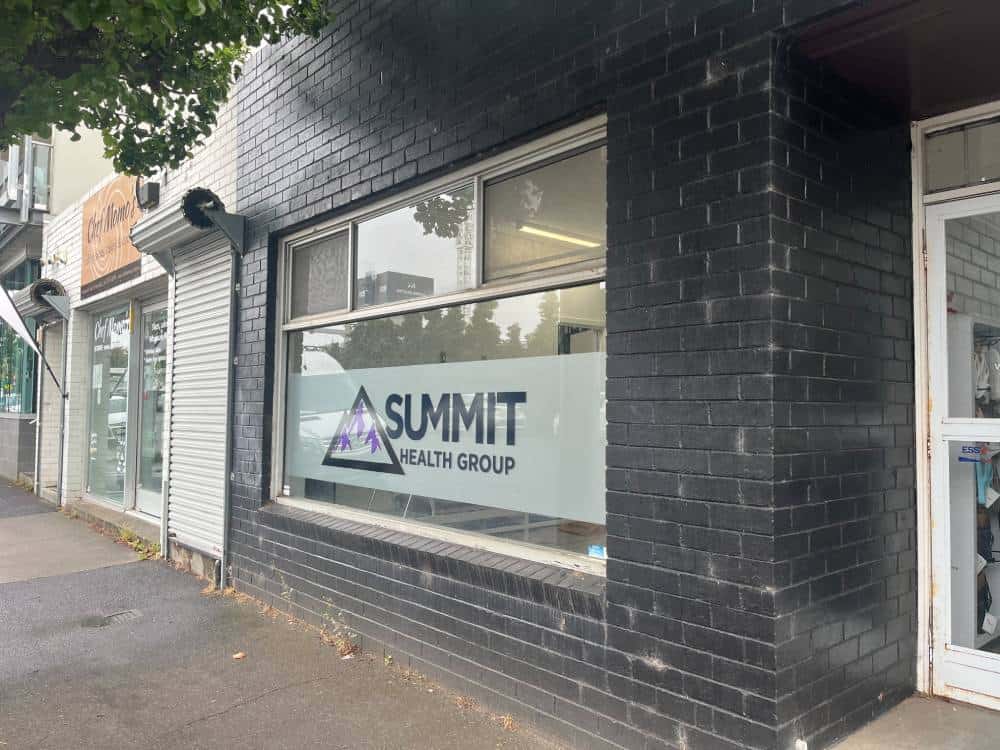
Osteoporosis exercise at our Malvern and Blackburn clinics
We deliver osteoporosis and bone health programs from our clinics in Malvern (inner south-east) and Blackburn (eastern suburbs), supporting clients across surrounding Melbourne suburbs including Armadale, Glen Iris, Box Hill, Forest Hill and Burwood. For those who can’t easily travel, home visits and telehealth are available.
Begin Your Bone Health Program Today
Improving your bone health is one of the greatest investments you can make in your long-term wellbeing. With the right guidance, you can build stronger bones, reduce your risk of falls and continue living an active, independent life.
Contact Summit Health Group to book your initial consultation and start your personalised Bone Health and Osteoporosis program.
Frequently asked questions
What types of exercise are best for osteoporosis? Weight-bearing and resistance exercises are commonly recommended for osteoporosis. These exercises help stimulate bone strength, improve muscle support, and enhance balance to reduce the risk of falls.
Can exercise help improve bone density? Exercise can help slow bone loss and support bone density over time. While it may not fully reverse osteoporosis, targeted strength and impact-appropriate exercises can contribute to stronger bones and improved function.
Do I need a bone density scan before starting an exercise program? A bone density scan can be helpful, but it is not always required. Your exercise physiologist will consider your medical history, current symptoms, and any available scans when designing a safe and effective program.
How is osteoporosis exercise different from general fitness training? Osteoporosis exercise focuses on bone-safe movements, posture, strength, and fall prevention. Unlike general fitness training, programs are tailored to minimise fracture risk while supporting long-term bone health.