
Falls prevention and balance training Melbourne
Who we work with:
- Older adults wanting to maintain confidence and independence
- People who have experienced a fall or near-fall
- Adults who feel unsteady on their feet or fear falling
- Those with difficulty walking on uneven surfaces or climbing stairs
- People managing arthritis, osteoporosis, or joint stiffness
- Adults with neurological or balance-related conditions
- Anyone recovering from injury or surgery affecting mobility
- People with reduced strength or stability affecting daily life
10+
Years Experience
2
Melbourne Clinics
1:4
Max Class Ratio
Understanding Falls & Balance Issues
Falls often result from a combination of factors rather than a single cause. These may include:
- Reduced muscle strength
- Impaired balance or coordination
- Joint stiffness
- Vision changes
- Medication effects
- Dizziness or vertigo
- Poor posture
- Reduced mobility or flexibility
- Neurological conditions
- Fear of movement or inactivity
As we age, natural changes in muscle mass, reaction time and joint mobility can make us more vulnerable to falls. However, these changes are not inevitable. Exercise remains the most effective way to reduce fall risk, improve balance and maintain overall mobility.
Our balance assessments help us understand exactly which factors contribute to your unsteadiness. With this insight, we design a targeted program that strengthens the systems involved in balance: the inner ear (vestibular system), vision, proprioception (body awareness), strength and neuromuscular control.
Maintaining balance, confidence, and independence becomes increasingly important as we age. Falls are one of the leading causes of injury among older adults — yet most falls are preventable with the right combination of exercise, strength, coordination, and environmental awareness.
At Summit Health Group’s Malvern and Blackburn clinics, we provide specialist balance training for seniors across Melbourne — including Armadale, Glen Iris, Box Hill, Nunawading and surrounding suburbs, plus home visits. Our Falls Prevention and Balance Training programs are designed to improve stability, reduce falls risk and help you move with confidence in everyday life, delivered by accredited exercise physiologists who specialise in working with adults over 60.
Signs You May Need Falls Prevention Support
You may benefit from our program if you experience:
- Frequent tripping or stumbling
- Difficulty walking on uneven surfaces
- Unsteady movements when turning or changing direction
- Reduced confidence when climbing stairs or stepping over objects
- Dizziness or balance-related discomfort
- Fear of falling when moving
- Difficulty getting up from a chair
- Slower walking pace or shuffling steps
- Trouble maintaining balance while standing
Even if you haven’t fallen before, these symptoms indicate a higher risk and should be addressed early.
Why Balance Training Is Essential
Balance involves a coordinated effort from multiple bodily systems — muscle strength, joint flexibility, vision, the inner ear and your body’s sense of its own position. When one system weakens, the whole balance mechanism becomes less reliable. That’s why general activity alone isn’t always enough; effective falls prevention requires specific, targeted training.
The evidence for this is strong. Exercise programs combining balance and strength training reduce falls risk by 18 to 34% in older adults, and the Australian Commission on Safety and Quality in Health Care’s 2025 Falls Guidelines recommend targeted exercise as the primary strategy for falls prevention in people living independently. Exercise & Sports Science Australia likewise recommends this training be prescribed and supervised by a qualified exercise professional. Structured balance and strength work can:
- Reduce falls risk by 18–34% in community-dwelling older adults
- Improve muscle strength in key stabilising areas
- Enhance coordination and reaction time
- Reduce pain and stiffness that contribute to unsteadiness
- Improve posture and gait
- Increase confidence and mobility
- Support long-term independence
Our exercise physiologists use these clinically proven strategies to retrain your body’s stability systems safely and progressively — as an ongoing program, because balance is maintained through consistent training, not a one-off course.
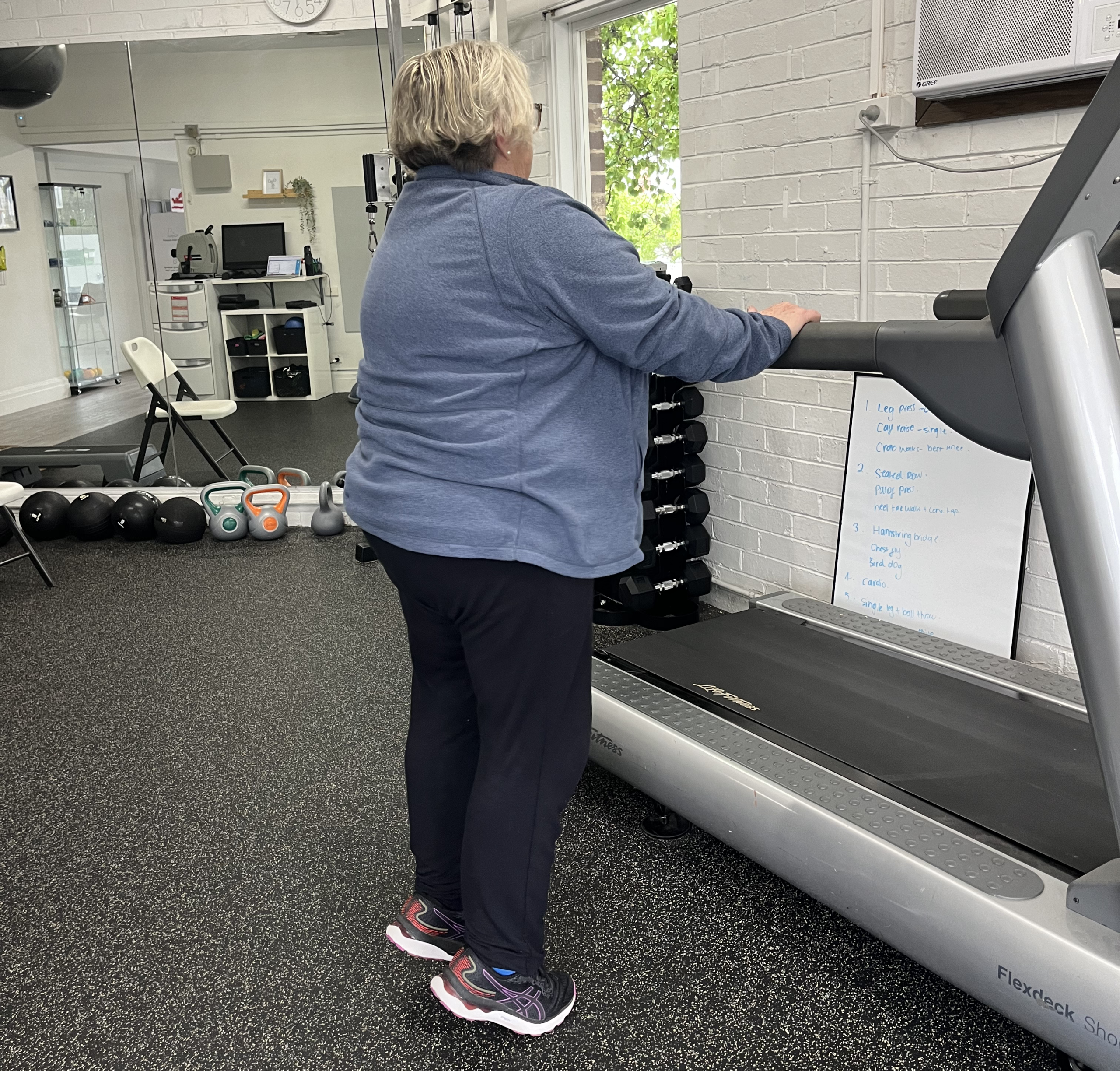
Who We Support
Our Falls Prevention & Balance Training service is ideal for:
- Older adults wanting to maintain independence
- Individuals recovering from injury or surgery
- People with arthritis, osteoporosis or joint stiffness
- Those with neurological or balance-related conditions
- Adults who have experienced a fall or near-fall
- People living with chronic conditions affecting mobility
- Anyone with reduced strength or stability
- Individuals with dizziness or vestibular issues (mild, appropriate cases)
We tailor every program to your needs, ensuring exercises are safe, appropriate and effective for your current level of ability.
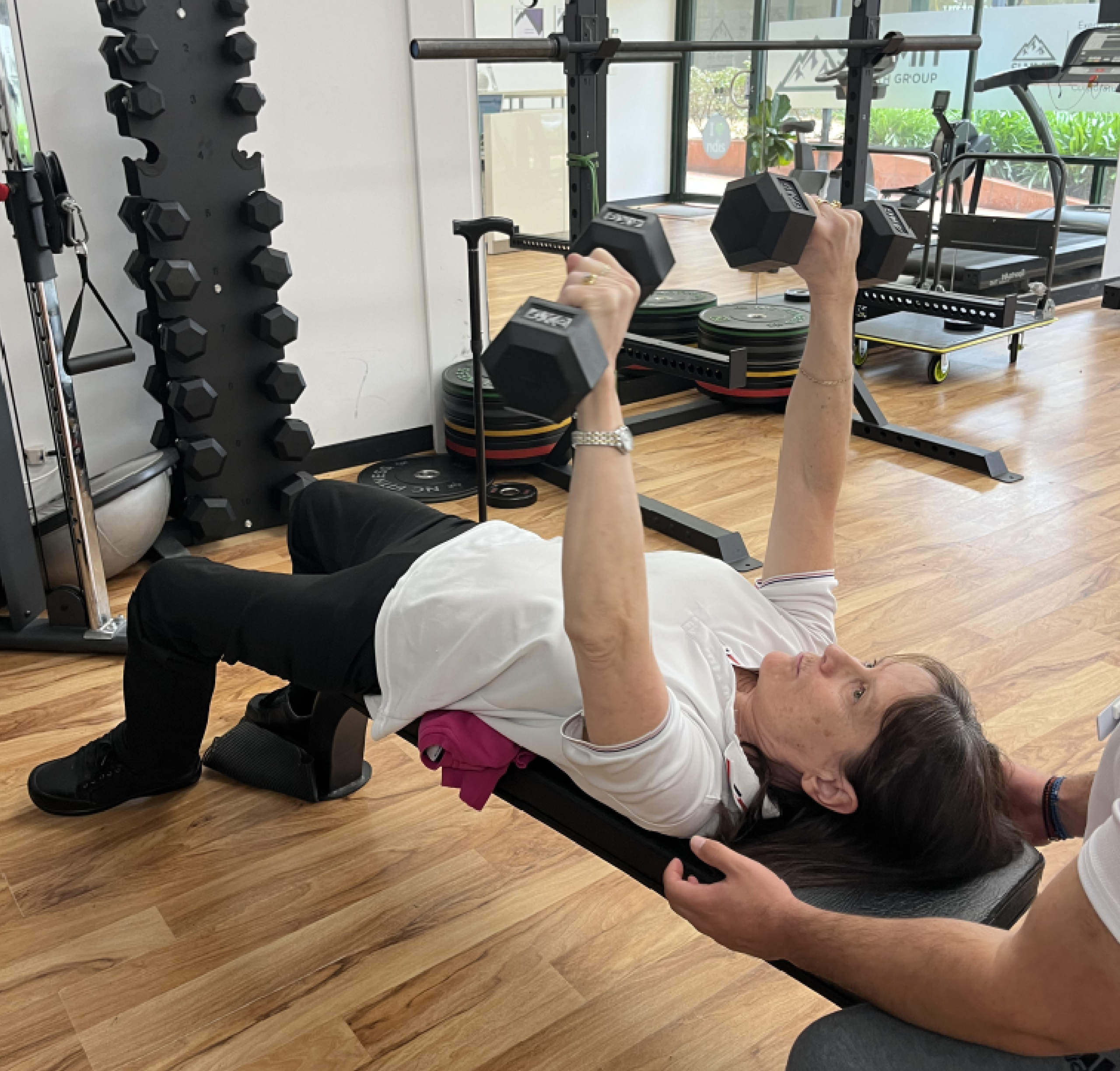
What to Expect During Your Balance Assessment
Your first session includes a full falls risk assessment, which may involve:
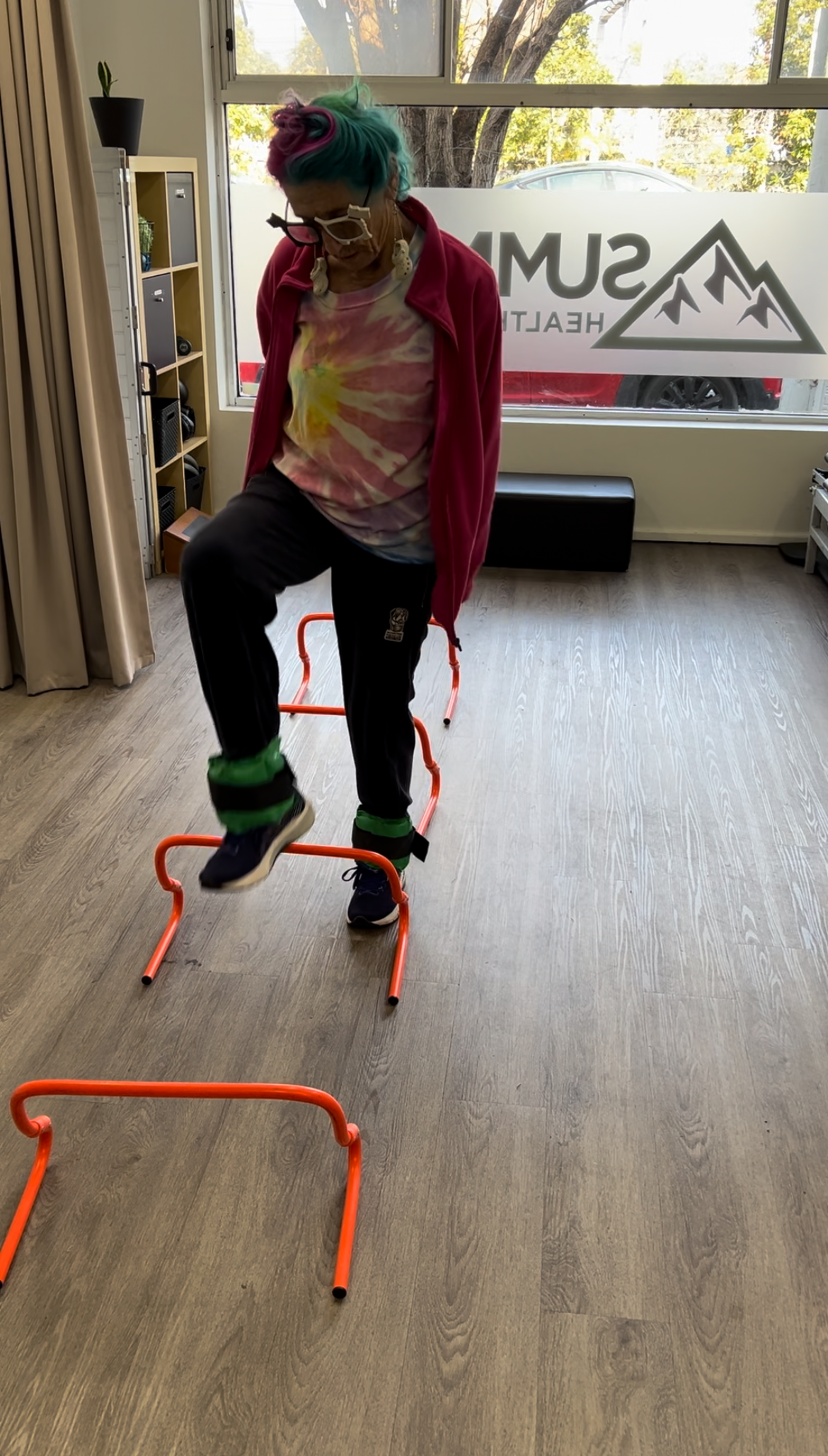
- Gait analysis (how you walk)
- Balance and stability testing
- Strength and flexibility screening
- Posture evaluation
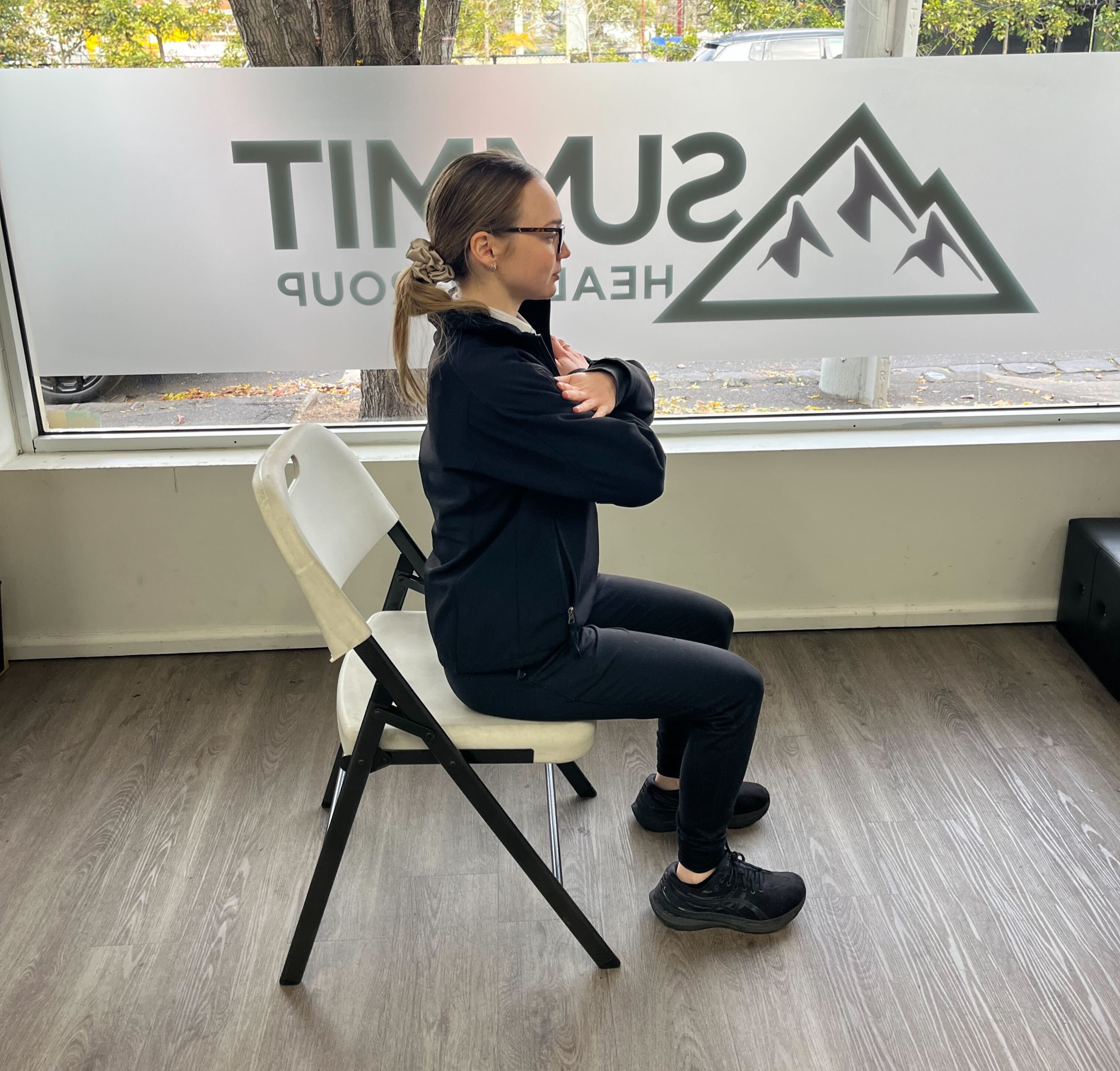
- Functional mobility tests (sit-to-stand, step tests, etc.)
- Discussion of fall history or current concerns
- Medication and health review
- Assessment of daily living activities
This gives us a clear picture of the areas that need support and allows us to design a highly personalised exercise plan.
Our Falls Prevention & Balance Training Approach
Strength Training for Stability
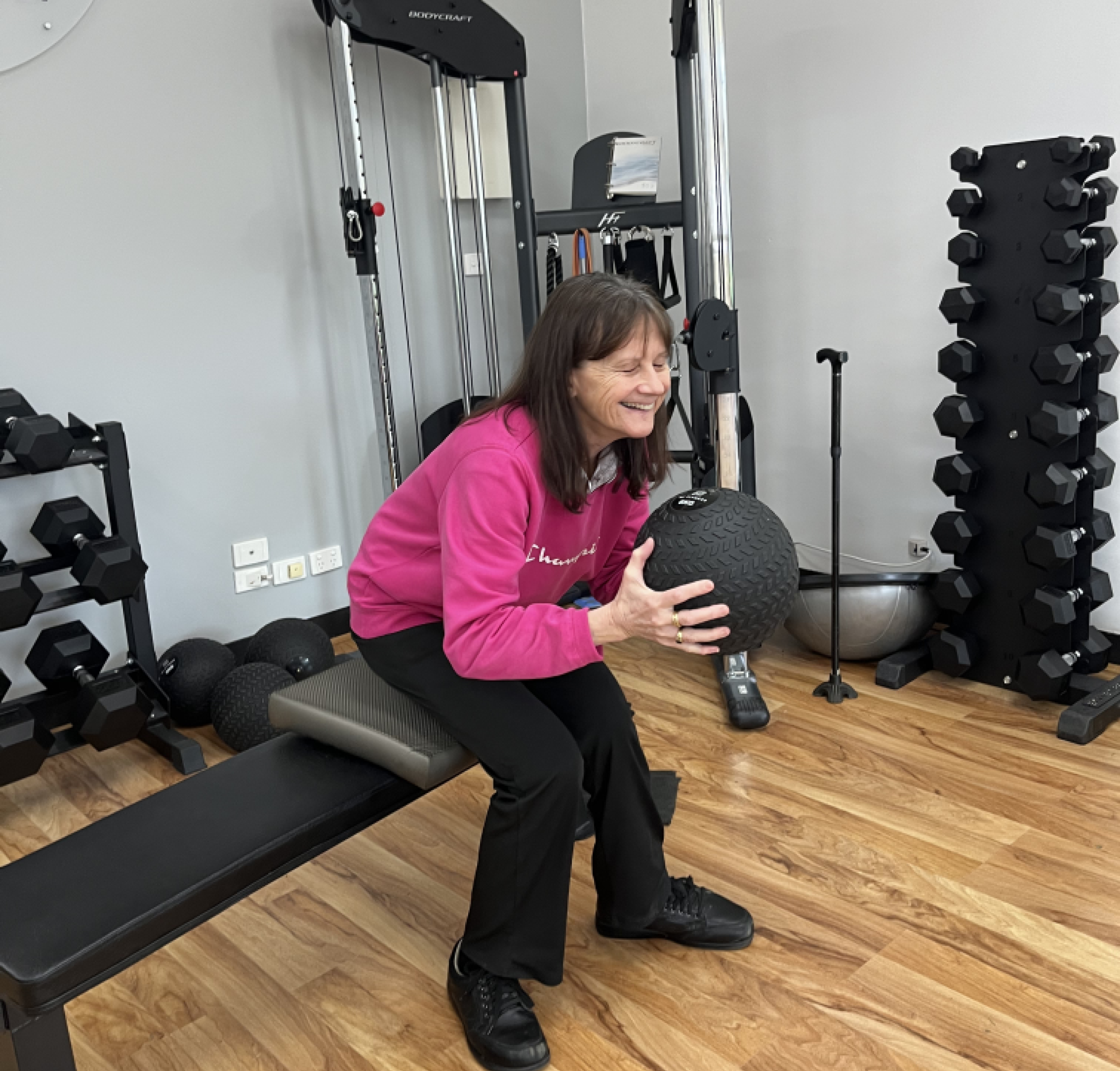
Weakness in the legs, hips and core significantly increases fall risk. We design strength programs that target:
- Quadriceps and hamstrings
- Gluteal muscles
- Calves and ankles
- Core and postural muscles
Improving strength in these areas enhances your ability to stand, walk, turn and maintain balance during daily activities.
Balance Retraining Exercises
We use a range of balance-specific exercises, including:
- Single-leg standing progressions
- Step and weight-shifting drills
- Controlled reaching movements
- Walking drills (heel-to-toe, side steps, obstacle walking)
- Unstable surface training (as appropriate)
- Visual and vestibular balance exercises
These activities help retrain your body’s ability to stabilise itself naturally.
Gait (Walking) Retraining
If you experience shuffling, limping or slow walking, we help improve:
- Stride length
- Foot placement
- Walking pattern
- Turning and directional changes
- Obstacle negotiation
Better walking mechanics lead to better overall stability.
Mobility and Flexibility Work
Functional Training for Daily Tasks
Because falls often occur during everyday activities, we include training that mimics real-life movements:
- Stepping up and down
- Reaching or bending safely
- Rotating and turning
- Getting in and out of a chair
- Carrying light objects
- Navigating household environments
These exercises make daily activities easier and safer.
Education & Fall Prevention Strategies
We teach you:
- How to identify and avoid environmental hazards
- Safe movement techniques
- Strategies to manage dizziness or imbalance
- Pacing techniques to prevent fatigue-related falls
- Footwear and home safety considerations
This empowers you to stay safe and confident both in and outside the home.
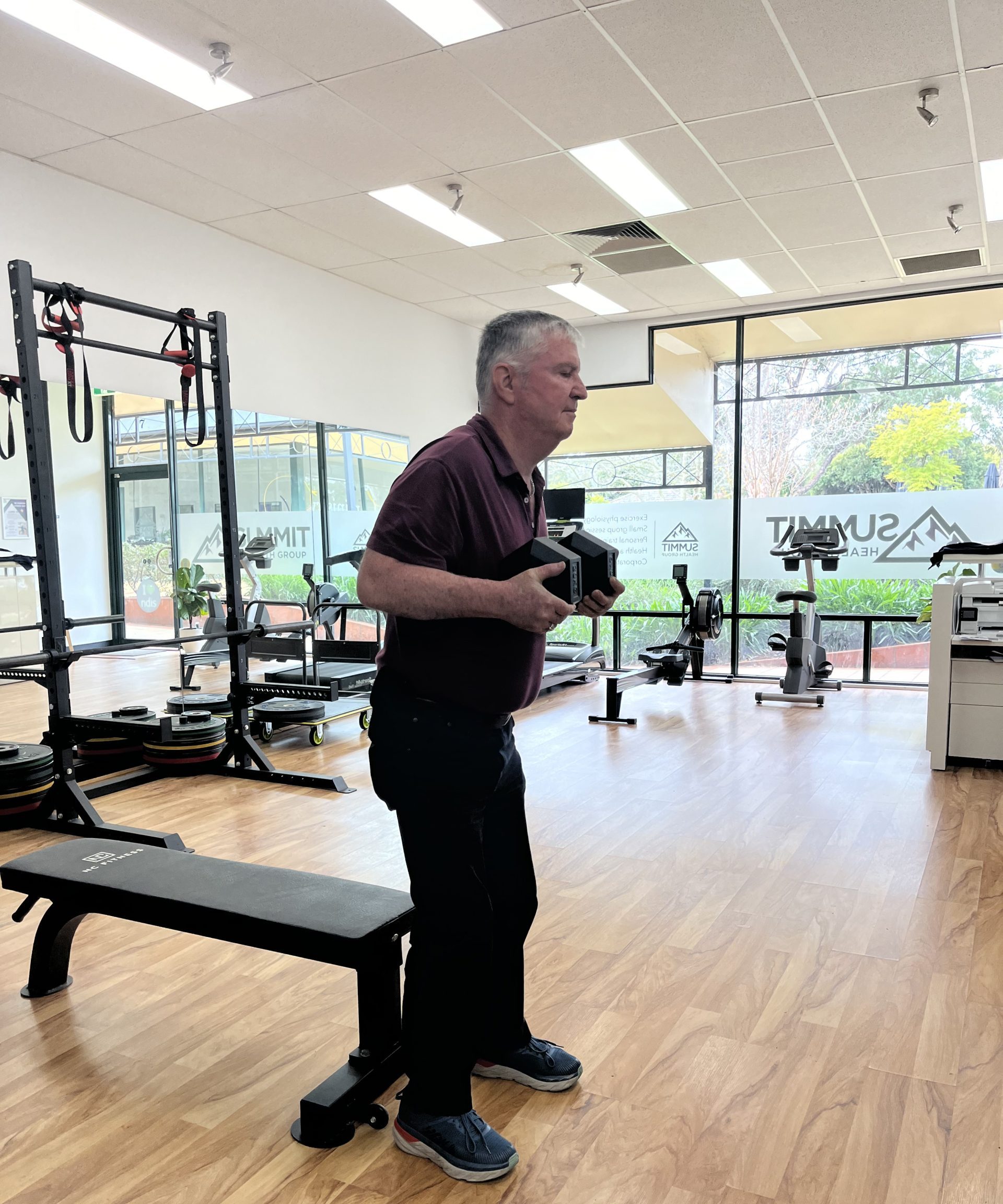
Benefits of Our Falls Prevention Program
- Improved stability and coordination
- Greater confidence when walking
- Reduced fear of falling
- Increased strength and mobility
- Better posture and alignment
- Quicker reaction times
- More independence in daily tasks
- Reduced likelihood of injury or hospitalisation
Our goal is long-term independence, not just short-term symptom management.
Addressing Common Concerns

“I’m afraid I’ll fall during the exercises.”
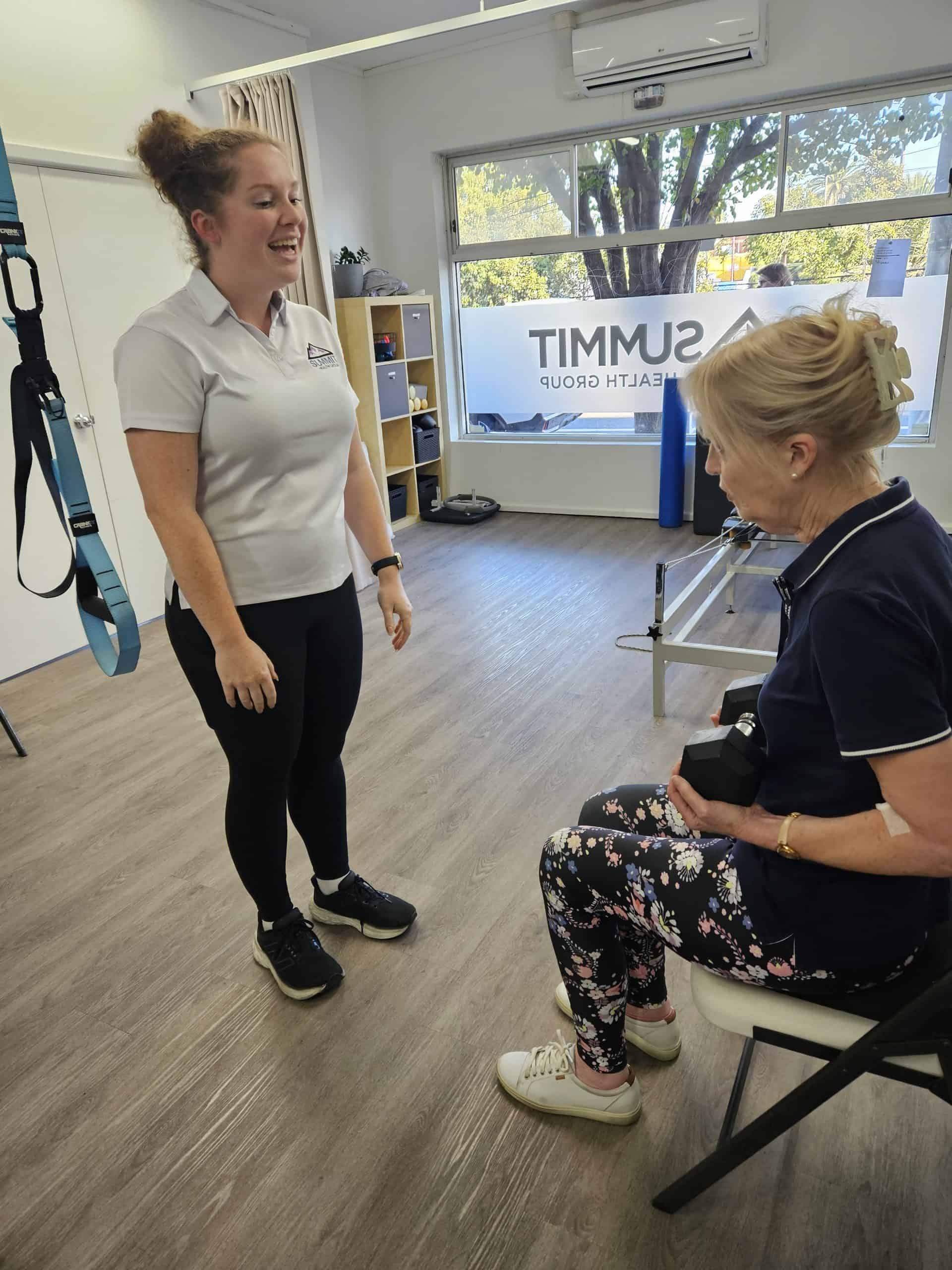
Every program is designed to be safe, supervised and tailored to your abilities. Exercises progress only when you’re ready.
“I haven’t exercised in a long time.”
We begin at a comfortable level and build gradually.

“I feel too unsteady to exercise.”
That’s exactly why a guided program is important—supervision keeps you safe while helping you improve.

“I don’t want to use equipment.”
Many effective exercises require no equipment at all.
“I’ve fallen before, and now I’m scared to move.”
We help you rebuild confidence step by step so movement becomes easier and less intimidating.
Why Choose Summit Health Group for Balance Training
Expert Clinicians with a Holistic Approach
Our Exercise Physiologists specialise in falls prevention and use research-backed strategies to strengthen your body and improve balance.
Tailored, Individualised Programs
Every person has unique strengths, limitations and goals. Your program is fully customised to your needs and adjusted as you progress.
Supportive and Encouraging Environment
We prioritise safety, comfort and confidence. Our sessions are designed to be positive, empowering experiences.
Flexible Session Options
Choose in-clinic, home-based or telehealth appointments depending on your mobility and preferences.
Focus on Long-Term Independence
We help you build lasting strength and balance—not just short-term improvements—so you can continue living independently and confidently.
Is This Program Right for You?
This service is ideal if you:
- Feel unsteady when walking
- Have lost confidence after a fall
- Struggle with balance or coordination
- Have difficulty standing from a chair or climbing stairs
- Want to maintain independence as you age
- Have muscle weakness or stiffness
- Want professional guidance for safe exercise
- Are concerned about future falls
If maintaining independence and mobility is important to you, our program can make a meaningful difference.
Start Improving Your Balance Today
Our Malvern and Blackburn exercise physiologists specialise in falls prevention for adults over 60. Most clients attend weekly — and the consistency of that attendance is what produces lasting results.
Frequently asked questions
Who can benefit from falls prevention and balance training?
Older adults, anyone who feels unsteady, and those who’ve had a fall or near-fall — you don’t need to have fallen to benefit. If your balance or confidence when walking has changed, that’s reason enough to start.
How does balance training help reduce the risk of falls?
Structured balance and strength training reduces falls risk by 18–34% in older adults. It builds strength in key stabilising muscles, sharpens coordination and reaction time, and retrains the systems behind balance — strength, vision, the inner ear and body awareness.
Do I need an assessment before starting a falls prevention program?
Yes. Your first session is a full falls-risk assessment — gait analysis, balance and stability testing, strength and flexibility screening, and a review of your history and concerns — so your program is built around exactly what you need.
What types of exercises are included in falls prevention programs?
Progressive strength work for the legs, hips and core; balance retraining such as single-leg and weight-shifting drills; gait retraining; mobility work; and functional practice for everyday tasks like stepping, turning and rising from a chair.
Can falls prevention programs help improve confidence with movement?
Yes. Fear of falling keeps many people from moving, which weakens them further. Our programs rebuild confidence alongside physical capacity, and clients regularly tell us they feel steadier and more willing to move after consistent attendance.