
Healthy Ageing Exercise
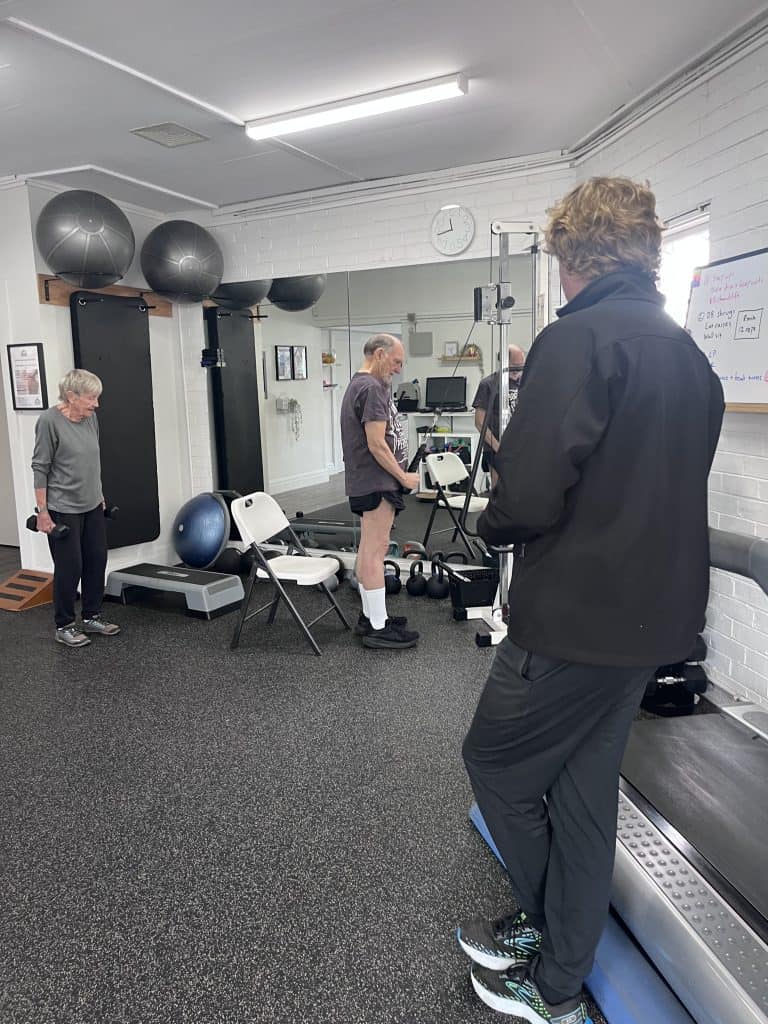
Healthy ageing is about more than simply getting older — it’s about staying active, mobile, strong and independent through every stage of later life. As we age, our bodies naturally experience changes in muscle strength, bone density, balance, coordination and cardiovascular fitness. Without the right movement habits, these changes can lead to reduced mobility, increased fall risk, chronic pain and loss of independence. But with a structured, personalised exercise program, older adults can maintain — and even improve — their physical and mental wellbeing.
Summit Health Group’s Healthy Ageing Exercise Program is designed to support older adults in staying strong, mobile and confident. Delivered by Accredited Exercise Physiologists, this program focuses on safe, effective exercise tailored to individual health conditions, physical ability, lifestyle needs and personal goals. Whether you want to stay active, prevent age-related decline, improve energy, reduce pain or support long-term independence, our healthy ageing approach provides the guidance and support you need.
You’re never too old — or too inexperienced — to begin exercising. The body responds positively to movement at every age.
Why Healthy Ageing Exercise Is Essential
Regular exercise is one of the most powerful tools for supporting healthy ageing. It helps:
- maintain muscle mass and strength
- improve mobility and flexibility
- support bone density and joint health
- reduce risk of falls and fractures
- improve cardiovascular fitness
- support metabolic health (blood pressure, cholesterol, blood sugar)
- improve balance and coordination
- maintain independence in daily activities
- reduce stiffness and chronic pain
- support cognitive health
- improve mood, confidence and wellbeing
Exercise is one of the most effective strategies for ageing well and maintaining quality of life.
Who This Program Is For
Our Healthy Ageing Exercise Program is ideal for older adults who:
- want to stay active, strong and independent
- are noticing age-related strength or mobility changes
- experience joint stiffness or chronic pain
- have balance issues or fear of falling
- want to prevent age-related decline
- feel deconditioned after illness, injury or inactivity
- have health conditions such as arthritis, osteoporosis, diabetes or cardiovascular disease
- want a safe, supervised exercise program
- want to feel confident and capable in daily life
You don’t need to be fit to begin. Every program is adapted to your current ability and progresses safely.
Understanding the Physical Changes of Ageing
As we age, normal physiological changes include:
Reduced Muscle Mass
Sarcopenia, or age-related muscle loss, affects strength, mobility and stability.
Decreased Bone Density
Increasing the risk of fractures, especially in the hips and spine.
Reduced Balance
Changes in the vestibular system, joint receptors and strength affect steadiness.
Slower Walking Speed
Often linked to reduced muscle power and cardiovascular fitness.
Joint Stiffness
Ageing cartilage and reduced movement can cause pain and stiffness.
Reduced Cardiovascular Capacity
Affects endurance and energy levels.
Decreased Flexibility
Limiting functional mobility.
These changes are not inevitable — regular, targeted exercise slows or reverses much of this decline.
What to Expect in Your Healthy Ageing Exercise Assessment
Your Exercise Physiologist will conduct a thorough assessment, including:
- strength testing
- balance evaluation
- mobility and flexibility assessments
- posture and gait analysis
- cardiovascular fitness
- functional movement patterns
- joint pain or movement limitations
- medical history and medications
- daily activity needs and home environment
- personal goals, such as mobility, independence or confidence
This allows us to design a safe, personalised exercise plan that supports your long-term health.
Components of a Healthy Ageing Exercise Program
Every program is unique, but most include a combination of strength, balance, mobility, cardiovascular and functional training.
Strength Training
Strength training is the foundation of healthy ageing. Exercises may include:
- sit-to-stand drills
- resistance band exercises
- progressive weight training
- leg strengthening (quads, glutes, hamstrings, calves)
- upper-body strengthening (arms, shoulders, back)
- core and postural exercises
Strength training supports bone health, joint stability and everyday independence.
Balance & Stability Training
Improving balance is crucial for fall prevention. Training may include:
- single-leg balance
- step patterns
- dynamic stability drills
- ankle and foot strengthening
- controlled movements and coordination
Better balance increases safety and confidence.
Mobility & Flexibility Training
Mobility exercises help reduce stiffness and improve comfort.
This may include:
- hip, knee and ankle mobility work
- shoulder and upper-back mobility
- dynamic stretching
- posture and alignment exercises
Better mobility supports easier movement and reduced pain.
Functional Movement Training
Functional exercises replicate real-life movements, helping you stay independent.
Exercises may include:
- stair climbing
- bending, reaching and lifting
- floor-to-standing practice
- walking and turning drills
- carrying and practical movement tasks
Functional training supports safety and independence at home and outdoors.
Cardiovascular Conditioning
Improving cardiovascular fitness increases energy and overall health.
Examples include:
- walking programs
- treadmill or cycling (low impact)
- light aerobic circuits
- low-intensity interval training (when appropriate)
Better fitness supports longevity and vitality.
Benefits of a Healthy Ageing Exercise Program
Participants commonly experience:
Improved Strength
Daily activities become easier and more comfortable.
Better Balance and Coordination
Reduced fall risk and better stability in daily movement.
Less Pain and Stiffness
Strength and mobility work improve joint comfort.
Improved Bone Health
Weight-bearing exercise supports bone density.
Increased Independence
More confidence in walking, climbing stairs, lifting and daily tasks.
Better Cardiovascular Health
Improved endurance and energy.
Enhanced Mood and Cognitive Function
Exercise boosts mental wellbeing and supports cognitive health.
Greater Confidence and Motivation
Feeling stronger and more capable encourages continued activity.
Addressing Common Concerns
“I’m too old to start exercising.”
You are never too old. Research shows older adults respond extremely well to strength and mobility training.
“I have health conditions — is it safe?”
Yes. Programs are tailored to your medical history and capabilities, ensuring safe progression.
“I haven’t exercised in years.”
We start gently and build confidence gradually.
“I’m afraid of falling during exercise.”
All exercises are supervised and adapted to your comfort level.
“I don’t want to do intense workouts.”
Healthy ageing exercise doesn’t need to be high intensity — it needs to be consistent and tailored.
Why Choose Summit Health Group
Accredited Exercise Physiologists
Experts in ageing, mobility and chronic health conditions.
Personalised, Safe Programs
Adapted to your health, comfort, strengths and goals.
Holistic Care
Focusing on strength, mobility, balance, cardiovascular health and confidence.
Supportive Environment
Welcoming, friendly and designed for older adults.
Flexible Delivery Options
In-clinic, home visits or telehealth available.
Long-Term Focus
We help you build habits that support healthy ageing for life.
Start Your Healthy Ageing Program
Healthy ageing begins with movement. Whether you want to stay independent, reduce pain, improve balance or simply feel stronger and more confident, a personalised exercise program can help you live well at every age.
Take control of your health and invest in your future.
Contact Summit Health Group today to begin your Healthy Ageing Exercise Program.