Understanding Osteoporosis
Osteoporosis causes bones to become thinner and weaker, which increases the risk of fractures. It develops gradually and is common in older adults, especially women after menopause. While not every factor can be controlled, daily habits like how you move, exercise, and eat have a big impact on bone strength.
At Summit Health Group Malvern, we often talk with clients about both what supports bone health and what’s best to avoid. Many of our clients come from nearby areas such as Glen Iris and Armadale, looking for clear, practical advice on staying active and independent.
Movements and Activities to Avoid with Osteoporosis
Some movements place extra pressure on fragile bones and are best avoided or adjusted.
1. Deep bending or twisting of the spine
Movements like sit-ups, toe-touches, or certain yoga poses that involve rounding or twisting the spine can increase the risk of small fractures.
2. Lifting heavy weights with poor technique
Strength training helps bone density, but technique matters. Avoid sudden or jerky movements and focus on slow, steady control. This is why senior strength training guided by an AEP is the safest way to load bone.
3. High-impact exercise when you’re not conditioned for it
Running, jumping, or contact sports can be too much if you already have bone loss. Start with lower-impact movements and progress safely with guidance.
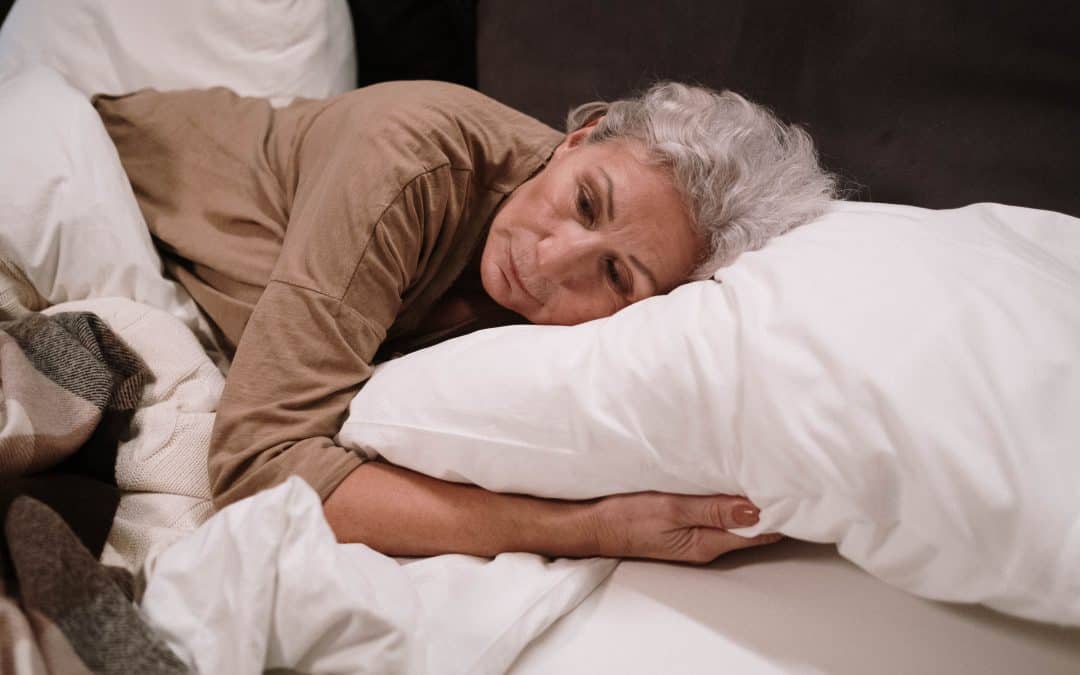
4. Long periods of sitting or inactivity
Staying still for hours weakens both bones and muscles. Gentle movement throughout the day helps maintain strength and circulation.
Everyday Habits That Can Weaken Bone Health
Smoking and excess alcohol reduce the body’s ability to rebuild bone.
Low calcium or vitamin D limits bone repair.
Skipping regular movement or strength work slows the body’s ability to maintain bone mass.
Small, steady changes help: eating more calcium-rich foods, spending time outdoors for vitamin D, and building a routine that includes weight-bearing exercise.
Safe and Effective Ways to Support Your Bones
There are many safe options to improve bone strength without increasing the risk of injury, and our guide to the best exercises for osteoporosis walks through them:
- Strength training with weights or resistance bands
- Balance and coordination exercises to prevent falls
- Low-impact aerobic work such as walking, swimming, or cycling
- Posture and mobility exercises for everyday movement
At Summit Health Group Malvern, our Exercise Physiologists design individual programs that focus on movement quality, gradual progress, and practical outcomes. It is part of our clinical exercise physiology in Melbourne.
Building Bone Health in Malvern
If you live in Malvern, Glen Iris, or Armadale and have osteoporosis, we can help you move safely and build strength over time. Our osteoporosis exercise guided by an AEP is tailored to your bone density and comfort level. Every person’s situation is different, and the right approach depends on your current ability, comfort level, and goals.
Next step:
Book a Bone Health Assessment at Summit Health Group Malvern to find out which exercises are right for you.