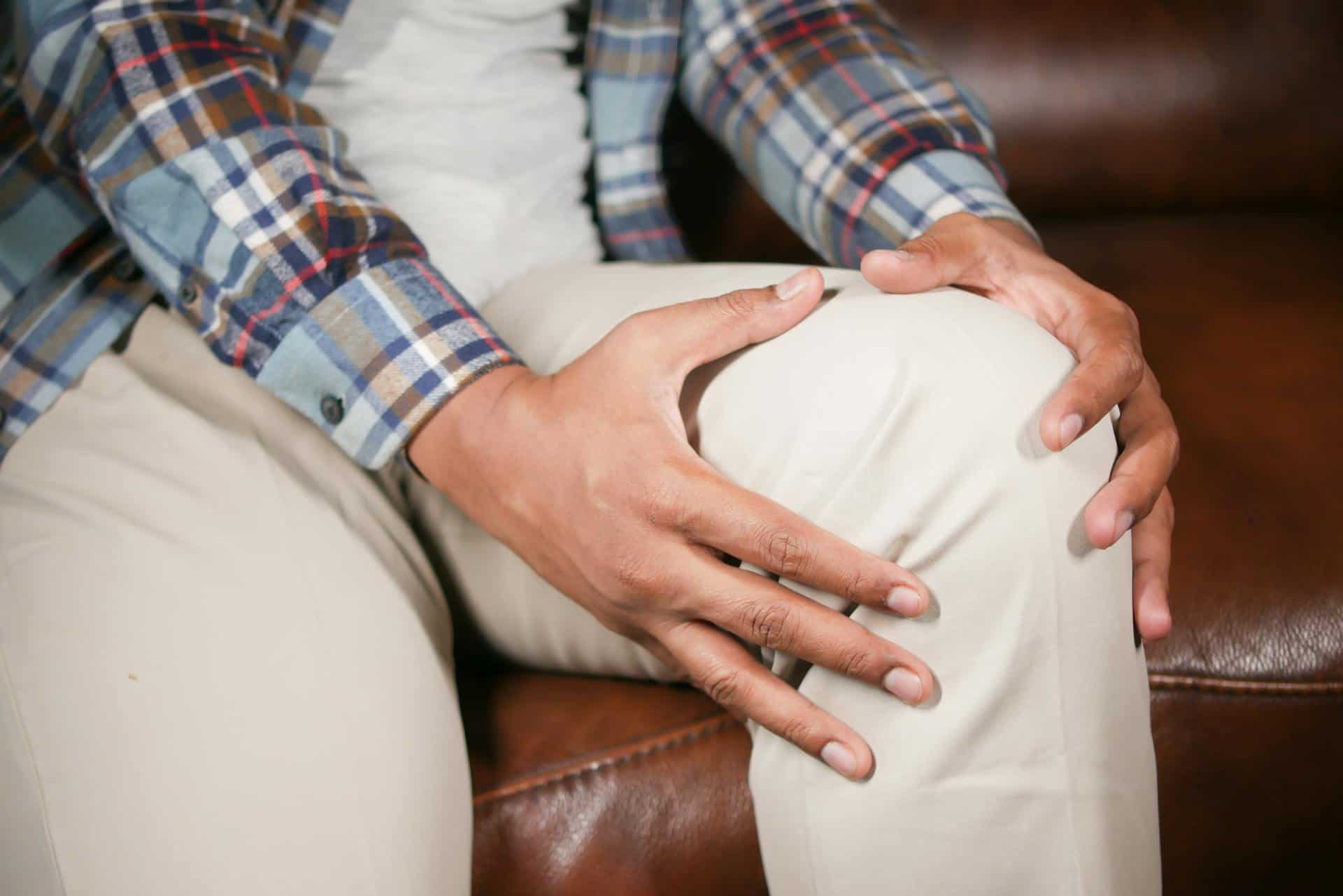
Quick Summary
• Knee pain is common among older adults and can affect daily mobility
• Osteoarthritis is one of the leading causes of knee discomfort in seniors
• Targeted exercise can reduce pain and improve strength safely
• Low-impact strengthening helps support long-term joint health
• Individualised exercise plans provide safer and more effective results
Knee pain is one of the most common concerns affecting older adults, often limiting walking, climbing stairs, and everyday independence. In many cases, age-related joint changes such as osteoarthritis contribute to ongoing discomfort and stiffness. According to Arthritis Australia, osteoarthritis is the most common form of arthritis in Australia and frequently affects the knees, particularly in older adults. While knee pain can feel discouraging, the right type of exercise can play a powerful role in reducing symptoms and improving function.
For older adults in Blackburn, safe and structured exercise physiology support can help manage knee pain while maintaining mobility and confidence in movement.
Why Knee Pain Is So Common After 60
As we age, cartilage within the knee joint naturally changes. Muscle strength may decrease, balance can decline, and joint flexibility may be reduced. These changes can place more stress on the knee, leading to discomfort.
Common contributors to knee pain in older adults include:
- Osteoarthritis
- Previous injury
- Muscle weakness around the hips and thighs
- Reduced physical activity
- Weight-bearing strain over time
Importantly, pain does not always mean damage. In many cases, strengthening and controlled movement can significantly reduce symptoms.
How Exercise Helps Knee Pain (Not Hurts It)
A common misconception is that knee pain requires complete rest. While short-term rest may help during flare-ups, long-term inactivity often worsens stiffness and weakness.
Targeted exercise helps by:
- Strengthening muscles that support the knee
- Improving joint stability
- Enhancing balance and coordination
- Reducing stiffness
- Supporting weight management
For many older adults, guided strengthening is more effective than avoiding movement altogether.
For a broader overview of how exercise supports healthy ageing, see our guide to the best exercises for seniors, which explains how strength and mobility work together.
Safe Exercises for Seniors With Knee Pain
Exercise selection matters. The goal is to strengthen supporting muscles without placing unnecessary stress on the joint. Our strength training tailored for older adults focuses on the quadriceps and hip muscles that protect the knee.
Commonly recommended movements include:
Quadriceps Strengthening
Stronger thigh muscles help reduce load through the knee joint.
Glute and Hip Strengthening
Hip strength improves alignment and reduces knee strain.
Controlled Sit-to-Stand Exercises
Improves functional strength for daily tasks.
Step-Ups With Support
Builds stability gradually.
Low-Impact Cardio
Stationary cycling or walking on flat surfaces can improve circulation without excessive impact.
Exercises should always be progressed gradually and modified if discomfort increases significantly.
What to Avoid When Managing Knee Pain
While movement is beneficial, certain activities may aggravate symptoms if not adapted.
These may include:
- Deep squatting under load
- Jumping or high-impact movements
- Rapid direction changes
- Sudden increases in activity
The key is not complete avoidance but intelligent modification.
Why Blackburn Seniors Benefit From Local Support
For older adults in Blackburn, access to local exercise physiology support makes it easier to maintain consistency. Travelling long distances can reduce motivation and increase barriers to care.
Local support means:
- Regular monitoring
- Tailored progression
- Personalised exercise prescription
- Ongoing encouragement
At Summit Health Group’s Blackburn clinic, exercise programs are adapted to individual comfort, ability, and long-term goals.
For more information about our knee osteoarthritis exercise programs, visit our service page.
You can also learn more about our Blackburn clinic location, including accessibility and appointment details.
When to Seek Professional Guidance
While mild knee discomfort may improve with general strengthening, some situations benefit from structured guidance.
Consider seeking support if:
- Pain persists for several weeks
- Swelling or instability occurs
- Walking becomes increasingly difficult
- Fear of movement develops
Individualised exercise programming can help ensure movements are safe and appropriately progressed.
Long-Term Knee Health and Independence
Maintaining knee strength and mobility supports independence in later life. Climbing stairs, getting out of chairs, walking outdoors, and participating in social activities all rely on lower-body strength.
With appropriate exercise, many older adults in Blackburn can:
- Reduce knee pain
- Improve walking tolerance
- Increase confidence
- Maintain independence
Consistency and gradual progression are more important than intensity.
Conclusion
Knee pain is common among older adults, but it does not have to mean reduced independence or avoided activity. With the right approach, exercise can reduce discomfort, strengthen supporting muscles, and improve everyday function.
For older adults in Blackburn, structured exercise physiology support provides a safe and effective way to manage knee pain while staying active. Summit Health Group provides exercise physiology for older adults in Melbourne across its two clinics. By focusing on controlled strengthening, low-impact movement, and gradual progression, many seniors can continue to move confidently and maintain their quality of life.
For a full overview of our knee pain exercise programs across Melbourne, visit our knee pain exercise program Melbourne page
FAQs
What is the best exercise for knee pain in older adults?
Strengthening exercises that target the quadriceps and hips are often most beneficial, especially when performed in a controlled and progressive way.
Should seniors with knee arthritis avoid exercise?
No. In most cases, appropriate exercise helps reduce pain and improve function. Avoiding movement can increase stiffness and weakness.
Is walking good for knee pain?
Walking on flat surfaces at a comfortable pace can be helpful, particularly when combined with strengthening exercises.