Walking and Bone Health
Walking is one of the easiest ways to stay active. It’s simple, free, and something most people can do every day. But for people with low bone density or osteoporosis, there’s often a question about whether walking is enough to strengthen bones.
At Summit Health Group Blackburn, we hear this a lot. Walking is good for general health and movement, but it isn’t usually enough on its own to make bones stronger.
How Bones Get Stronger
Bone tissue responds to the forces we put through it. When you lift, push, or land with some impact, it sends a signal for the bone to adapt and get stronger. This process is known as bone remodelling.
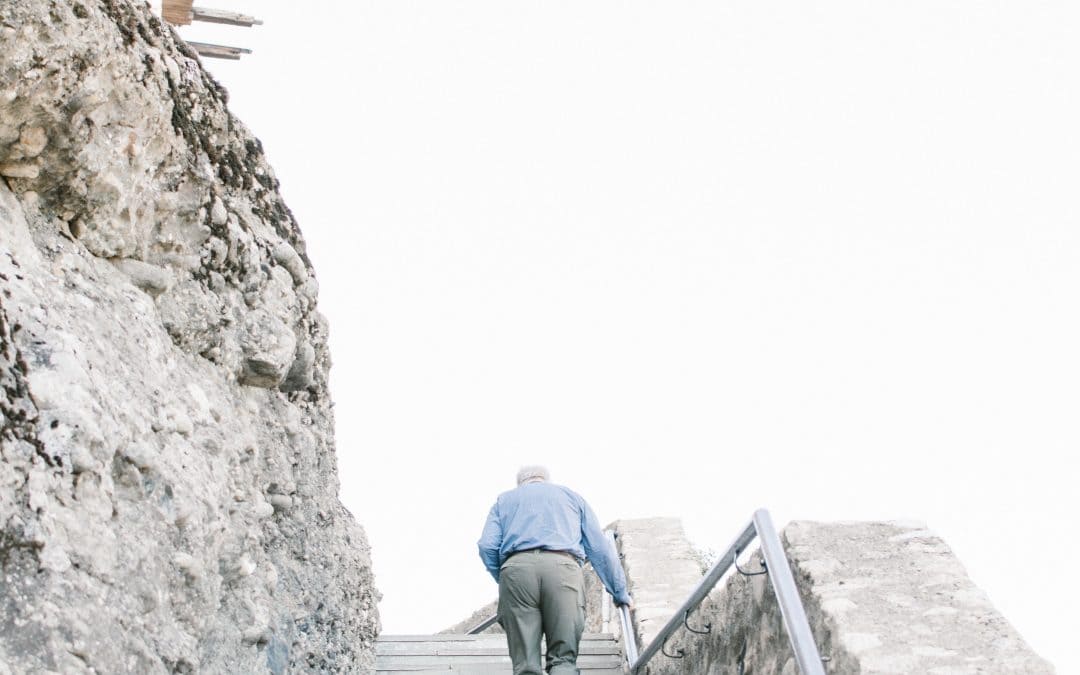
Walking provides a gentle load to the legs and spine, which helps maintain current bone mass. But to increase bone density—especially in the hips, spine, and wrists—your body needs higher levels of resistance and impact.
Why Walking Alone Isn’t Enough
Research consistently shows that walking is great for heart health and mobility, but it doesn’t create enough stress on the bones to build new tissue. The impact is too light and repetitive.
That’s why we say:
- Walking helps maintain bone health.
- Strength and impact training help improve it.
At our Blackburn clinic, we often combine walking with structured strength training, balance work, and targeted loading exercises to create a stronger response. These progressive strength sessions are what drive real bone gains.
How Much Walking Still Helps
Walking still matters. It supports circulation, leg strength, and overall wellbeing. For most adults, 30 to 45 minutes of brisk walking most days is a good aim.
For people with osteoporosis or osteopenia, pairing walking with two or three weekly strength sessions makes a real difference. That mix keeps you mobile while helping bones adapt and grow stronger.
To understand which exercises go beyond walking for bone health, see our guide to the best exercises for osteoporosis in older adults.
How Exercise Physiology Fits In
An Exercise Physiologist can design a plan that suits your needs and confidence level. That is the heart of our AEP-led exercise physiology in Melbourne.
- Strength exercises with weights, bands, or bodyweight
- Light impact drills like step-ups or heel drops
- Balance work to reduce the risk of falls
- Gradual progression to keep bones adapting over time
Everyone starts at a different level, and the right program should match your health, movement ability, and goals.
Want to build bone strength with a program designed for you? Our Blackburn and Malvern exercise physiologists work with adults managing osteoporosis and low bone density — ongoing weekly programs that go beyond walking. Book a free 15-minute phone call →
Building Bone Strength in Blackburn
Our Blackburn and Malvern exercise physiologists work with adults managing osteoporosis and low bone density — ongoing weekly bone density training that goes beyond walking.
Next step:
Ready to go beyond walking? Our accredited exercise physiologists at our Malvern and Blackburn clinics specialise in bone health programs for adults over 60. Weekly, ongoing sessions designed to build bone density, reduce fracture risk, and keep you strong and independent. Book a free 15-minute phone call → Or call us directly: Malvern (03) 9576 3216 | Blackburn (03) 8625 0514
To understand the condition behind bone loss, read our overview of what osteoporosis is and how it affects older adults.
Frequently Asked Questions
Is walking enough to improve bone density?
Walking is not usually enough on its own to improve bone density. While walking helps maintain current bone mass in the legs and spine, increasing bone density requires higher levels of resistance and impact. Research shows that progressive resistance training and weight-bearing exercise create a stronger stimulus for bone remodelling than walking alone.
What exercise is best for improving bone density?
Progressive resistance training such as lifting weights or using resistance bands is one of the most effective exercises for improving bone density. Weight-bearing activities such as stair climbing and impact exercises also stimulate bone growth. Pairing walking with two to three weekly strength sessions produces significantly better results for bone health than walking alone.
How long does it take to improve bone density with exercise?
Most people notice improvements in strength and balance within a few weeks of starting a structured exercise program. Measurable changes in bone density typically occur over 6 to 12 months of consistent training. An accredited exercise physiologist can design a program tailored to your bone density results and health history.