If you’ve recently been told you have osteoarthritis, there’s a good chance your first instinct is to move the joint less. It’s one of the most understandable reactions there is — the joint hurts, so surely resting it is the safe thing to do. For most people with osteoarthritis, though, the opposite is true. The right kind of exercise is one of the most effective ways to ease pain, protect the joint and keep doing the things you enjoy. Here’s why, what kind of movement helps, and how to get started safely.
What osteoarthritis actually is
Osteoarthritis is the most common form of arthritis, and it’s often described as “wear and tear” — but that phrase is misleading. It suggests a joint simply wears out the more you use it, like a tyre. In reality, osteoarthritis is a gradual change in the whole joint: the cartilage that cushions the ends of your bones thins over time, and the surrounding tissues adapt. It most often affects the knees, hips, hands and spine, and it becomes more common with age. What matters most is this: how much pain and stiffness you experience isn’t fixed by the state of the joint alone. Two people with similar changes on a scan can have very different day-to-day function — and one of the biggest reasons for that difference is how strong and active they are.
“Won’t exercise wear my joints out?”
This is the fear almost everyone with osteoarthritis has, so let’s meet it head-on: for the vast majority of people, appropriate exercise does not wear the joint out — it helps protect it. A joint that stops moving tends to become stiffer, weaker and more painful over time, not less. The muscles around it weaken, everyday tasks get harder, and the world starts to shrink to avoid the pain.
In fact, exercise is recommended as a first-line treatment for osteoarthritis by clinical guidelines worldwide — ahead of medication, and long before surgery is ever considered. So the real question isn’t whether to exercise, but how to do it well. That’s where working with an exercise physiologist for osteoarthritis makes the difference between movement that helps and movement that aggravates.
How exercise actually helps an arthritic joint
When the right exercise is done consistently, a few things happen:
- Stronger muscles share the load. The muscles around a joint act like shock absorbers. Strengthening them takes pressure off the joint itself, which is often what reduces the pain.
- Movement keeps the joint healthy. Gentle, regular movement helps circulate the fluid that nourishes cartilage and keeps the joint mobile.
- Less stiffness, better function. Regular activity reduces the morning stiffness many people notice, and makes everyday movements — stairs, getting out of a chair, walking — easier.
- Managing weight eases pressure. For weight-bearing joints like knees and hips, staying active helps manage the load going through them with every step.
- Confidence comes back. As pain settles and strength returns, the fear of movement lifts — and that alone changes how much people are willing to do.
The best types of exercise for osteoarthritis
There’s no single “osteoarthritis exercise.” The most effective programs blend a few types:
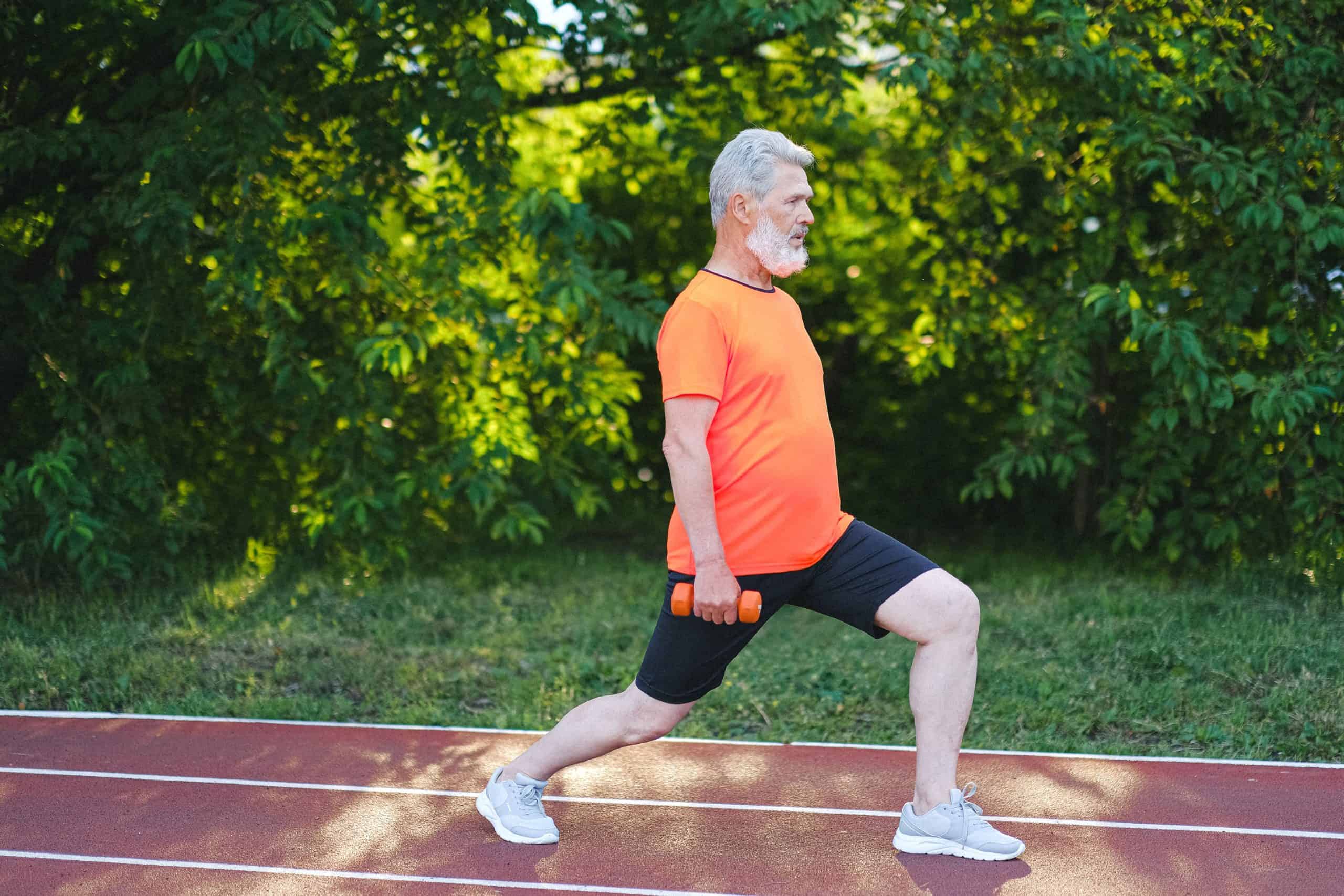
- Strength training — to build the muscles that support and protect the joint. This is the most important ingredient for most people.
- Low-impact aerobic activity — walking, cycling or water-based exercise keep you fit without pounding the joint.
- Range-of-motion and mobility work — to ease stiffness and keep the joint moving freely.
- Balance training — helpful as we get older, and for confidence on your feet.
The right mix depends on which joint is affected. If it’s your knees or hips — the two most common — our pages on exercise for knee osteoarthritis and hip osteoarthritis go into the specifics.
What to be mindful of
None of this means pushing through serious pain. A few simple principles keep exercise safe and effective:
- Ease into anything new, and build up gradually rather than all at once.
- Some mild discomfort during and after exercise is normal and usually settles within a day. Sharp or worsening pain is a signal to adjust what you’re doing — not necessarily to stop altogether.
- Technique matters more than intensity. Doing the right movements well beats doing hard ones badly.
This is exactly why guidance helps, especially early on — so you know which signals to listen to and how to progress safely.
How an exercise physiologist helps
An accredited exercise physiologist starts by understanding your joint, your history and your goals. A first appointment usually involves looking at how the joint moves, testing where you’re strong and where you’re compensating, and talking through what you want to get back to — whether that’s walking the dog without pain, getting up off the floor to play with grandchildren, or travelling again. From there they build an individualised program that’s matched to what you can do now and progressed as you get stronger. It’s clinical, supervised support — not a generic handout or a busy gym floor.
The real benefit comes over time. Osteoarthritis is a long-term condition, and the people who do best are those who keep moving consistently, week after week, with a program that adapts as they improve. That ongoing, relationship-based approach — where your exercise physiologist knows your body and adjusts as you go — is how we work, because it’s what produces lasting results.
Getting started in Melbourne
We work with people managing osteoarthritis at our Malvern and Blackburn clinics, with home visits and telehealth available across Melbourne. Your first appointment is a proper assessment — we look at how the joint moves, where you’re strong and where you’re compensating — and from there we build a plan around you. No pressure, and no one-size-fits-all.
Frequently asked questions
Is walking good for osteoarthritis? For most people, yes — walking is a low-impact way to keep knees and hips moving and build fitness. If it aggravates your joint, that’s usually a sign the amount or surface needs adjusting, not that you should stop walking entirely.
Should I exercise during a flare-up? You can usually keep moving gently during a flare — often it helps — but it’s a time to ease back the intensity rather than push through. Gentle range-of-motion and light activity are typically better than complete rest.
Can exercise reverse osteoarthritis? Exercise doesn’t reverse the changes already in the joint, but it can meaningfully reduce pain, improve function and slow the impact of the condition on your daily life — which is why it’s first-line care.
Is it too late to start if I’ve had osteoarthritis for years? No. Strength and fitness improve at any age and any stage — people who’ve lived with osteoarthritis for a long time often see some of the biggest gains once they start moving in the right way.
How often should I exercise with osteoarthritis? Consistency matters more than any single session. A mix of strength work a couple of times a week plus regular low-impact movement is a common starting point, but the right amount is best set with an exercise physiologist based on your joint and fitness.