Why Balance Changes With Age
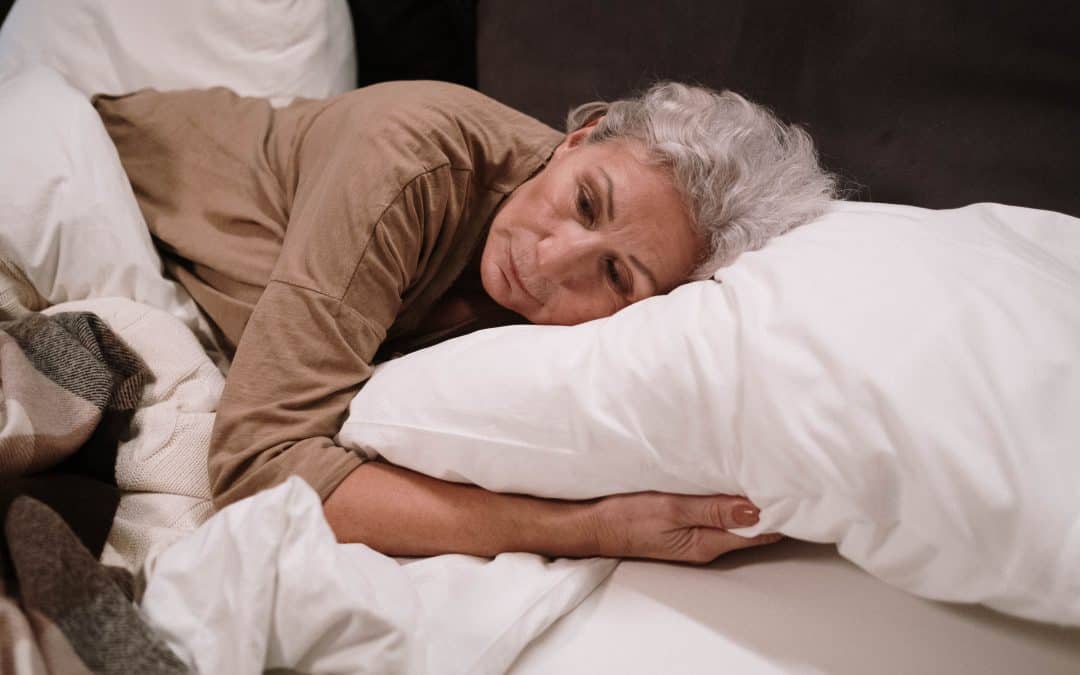
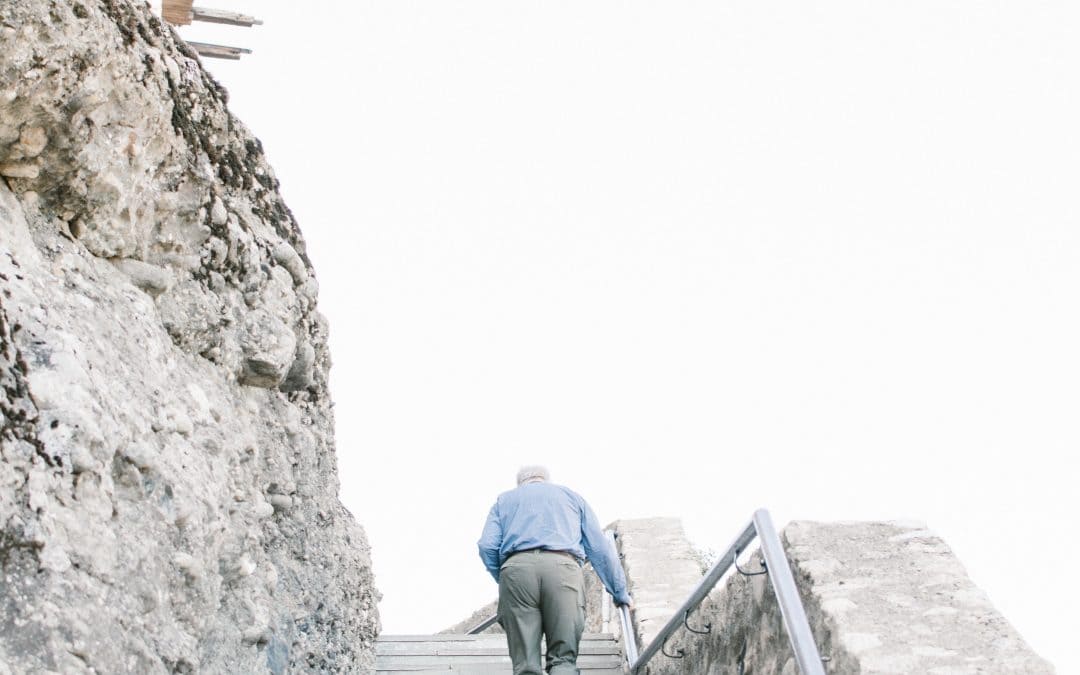
As we get older, it’s common to feel less steady on our feet. Muscles become weaker, reaction time slows down, and joints can feel stiffer. For some people this leads to hesitation when walking outdoors, stepping off kerbs, or moving through crowded areas.
Many people want clear guidance on how to improve balance and avoid falls as they get older, and the good news is that balance can improve at any stage of life.
At Summit Health Group Kooyong, many of our clients over 60 want practical steps to improve balance without feeling nervous or unsafe.
Key Areas to Focus On
Balance is influenced by several systems working together:
- strength
- coordination
- vision
- confidence on your feet
If one area declines, it affects the whole system. This is why balance training is most effective when it includes different types of exercises rather than only one kind of movement. Good hip mobility underpins steady movement too — see our guide to improving your hip mobility.
Simple Exercises to Start With
These exercises are often safe to begin with for most older adults. Use a bench or kitchen bench for support if needed.
- Single leg stand
Stand tall and lift one foot off the floor. Start with 5 to 10 seconds each side.
- Heel to toe walking
Walk in a straight line placing the heel of one foot directly in front of the toes of the other foot.
- Sit to stand from a chair
Builds leg strength and improves confidence in everyday movement.
- Controlled side steps
Step to the side and bring feet back together. Helps with hip strength and stability.
Building Balance Into Your Week
For most adults over 60, balance training works best when done a little at a time, most days of the week. Even five minutes each day helps build improvement.
Balance training also works better when combined with strength training two or three days per week. Stronger legs, stronger hips and better posture make you more stable and less likely to fall. This is where fall-resilient strength comes in.
This is a core part of exercise for over 60s, and of the work we do across our Malvern and Blackburn clinics.
When To Get Support
If you feel unsteady, have had a recent fall, or are avoiding certain activities because of fear of falling, it may help to get guidance from a professional. Our falls prevention exercise physiology is designed for exactly this.
Our Exercise Physiologists at Summit Health Group Kooyong assess strength, balance, mobility and confidence levels, then create a plan that matches your needs and comfort level.
Support in Kooyong
If you live in Kooyong, Hawthorn, or Toorak, we can help you improve balance and avoid falls through structured exercise, gentle progression, and regular review.
Next step:
Book a Balance and Falls Prevention Assessment at Summit Health Group Kooyong and learn how to feel more stable and secure in your movement.