Understanding Osteoporosis
Osteoporosis is a condition where bones lose density and become fragile, increasing the risk of fractures. For people in Armadale and surrounding suburbs like Malvern and Toorak, osteoporosis is a growing concern, particularly for older adults and post-menopausal women.
The big question many ask is: can osteoporosis be reversed with exercise? Let’s look at what the research and clinical guidelines suggest.
If you are new to this topic, our guide to what osteoporosis is and how it affects older adults explains the condition in detail.
Can Exercise Reverse Osteoporosis?
The short answer: exercise cannot fully reverse osteoporosis. Once bone density has been lost, it can’t be completely restored. However, regular and targeted exercise can:
- Slow down bone loss.
- Stimulate modest gains in bone density.
- Improve muscle strength, posture, and balance.
- Dramatically reduce fracture risk by preventing falls.
This means that while osteoporosis cannot be “cured,” it can be managed effectively with the right osteoporosis exercise program in Melbourne.
What the Science Says
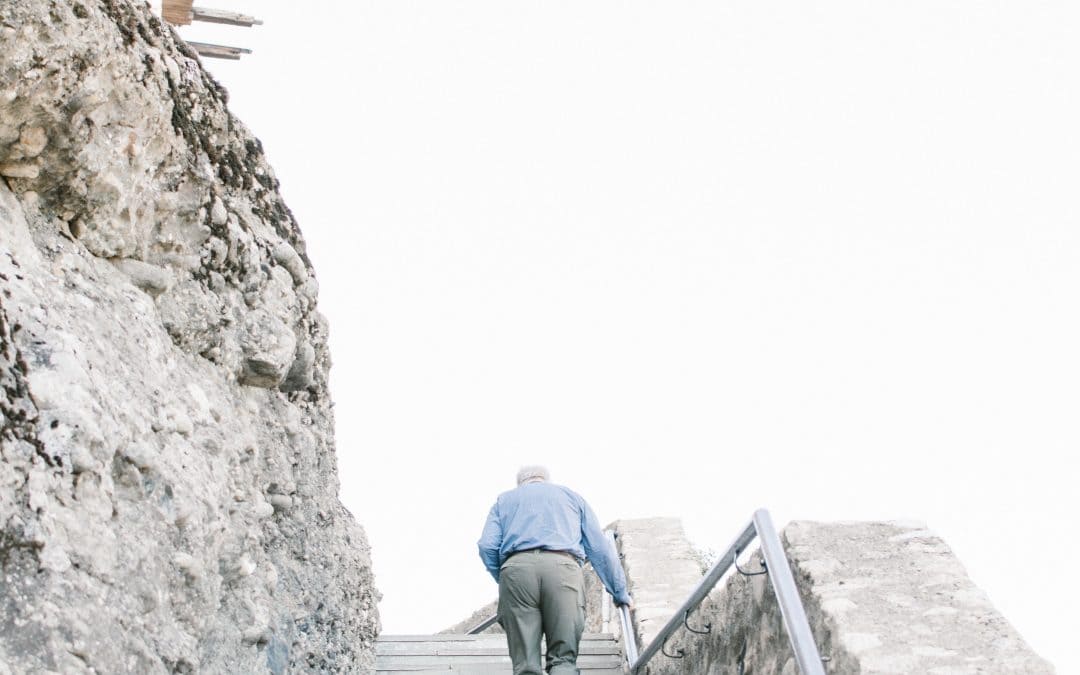
- Weight-bearing exercise (walking, stair climbing, hiking) stimulates bones to maintain strength.
- Resistance training (weights, machines, bands) has been shown in studies to improve bone density in key areas such as the hips and spine.
- Balance and stability training (Tai Chi, yoga, or targeted exercises) significantly reduce falls, one of the major risks for people with osteoporosis.
- Research from Osteoporosis Australia and international clinical guidelines confirm that 6–12 months of consistent training can lead to measurable improvements in bone health, mobility, and confidence.
Safe Exercises for Bone Health
When it comes to managing osteoporosis with exercise, safety is key. Recommended activities include:
- Walking or light hiking.
- Bodyweight and resistance band exercises.
- Supervised weight training.
- Posture and balance activities.
Exercises involving rapid twisting, high impact, or deep forward bends of the spine should be avoided unless cleared by a health professional.
For a full breakdown of each exercise type and how to get started safely, read our guide to the best exercises for osteoporosis in older adults.
Exercise Physiology and Osteoporosis in Armadale
At Summit Health Group, our accredited exercise physiologists work with clients in Armadale to develop safe, evidence-based programs for bone health.
We provide:
- Comprehensive assessments of mobility and fracture risk.
- Tailored exercise plans for osteoporosis management.
- Education on posture, nutrition, and fall prevention strategies.
- Long-term support to maintain independence and reduce injury risk.
Our clinic is easily accessible to Armadale locals near High Street, and we regularly see clients from neighbouring suburbs like Malvern, Toorak, and Prahran.
Key Takeaway
So, can osteoporosis be reversed with exercise? Not entirely — but exercise is one of the most powerful tools to slow bone loss, improve bone strength, and protect independence. With the right plan, you can live confidently and reduce your risk of fractures.
If you are concerned about symptoms or have not yet been diagnosed, our guide to osteoporosis symptoms in older adults explains what to look for.
Frequently Asked Questions
Can osteoporosis be reversed with exercise?
Exercise cannot fully reverse osteoporosis but it can stimulate modest gains in bone density, significantly improve muscle strength and balance, and dramatically reduce fracture risk by preventing falls. Research confirms that 6 to 12 months of consistent resistance and weight-bearing training can lead to measurable improvements in bone health and mobility.
What type of exercise helps osteoporosis most?
Weight-bearing exercise such as walking and stair climbing stimulates bones to maintain strength. Resistance training with weights, machines or bands has been shown to improve bone density in the hips and spine. Balance and stability training significantly reduces falls, which is one of the greatest risks for people with osteoporosis.
What exercises should people with osteoporosis avoid?
People with osteoporosis should generally avoid exercises that involve rapid twisting, high impact or deep forward bending of the spine unless cleared by a health professional. Working with an accredited exercise physiologist ensures exercises are safe, effective and appropriate for your bone density level and fracture risk.
Take the Next Step in Armadale
If you’re in Armadale and want to learn how exercise can support your bone health, Summit Health Group is here to help. Our exercise physiologists create personalised, science-based programs designed to keep your bones strong and your body moving safely.📞 Call us today to book your first consultation in Armadale and start building stronger bones this week.