Quick Summary
• Arthritis is a leading cause of joint pain in older adults
• Safe, structured exercise can reduce stiffness and improve mobility
• Strength training supports joint stability and function
• Low-impact movement is often more effective than rest alone
• Personalised exercise programs help manage symptoms long-term
Arthritis is one of the most common causes of joint pain among older adults, often affecting mobility, confidence, and daily independence. Stiffness in the knees, hips, hands, or shoulders can make everyday tasks more difficult and discourage movement altogether. However, avoiding activity can sometimes worsen symptoms over time. According to the Victorian Government’s Better Health Channel, regular physical activity is one of the most effective ways to manage arthritis symptoms and maintain joint function.
For seniors in Blackburn, structured exercise physiology provides a safe and supportive approach to managing arthritis while staying active and independent.
Understanding Arthritis in Older Adults
Arthritis refers to inflammation and degeneration within the joints. The most common type affecting seniors is osteoarthritis, which typically develops gradually over time.
Common symptoms include:
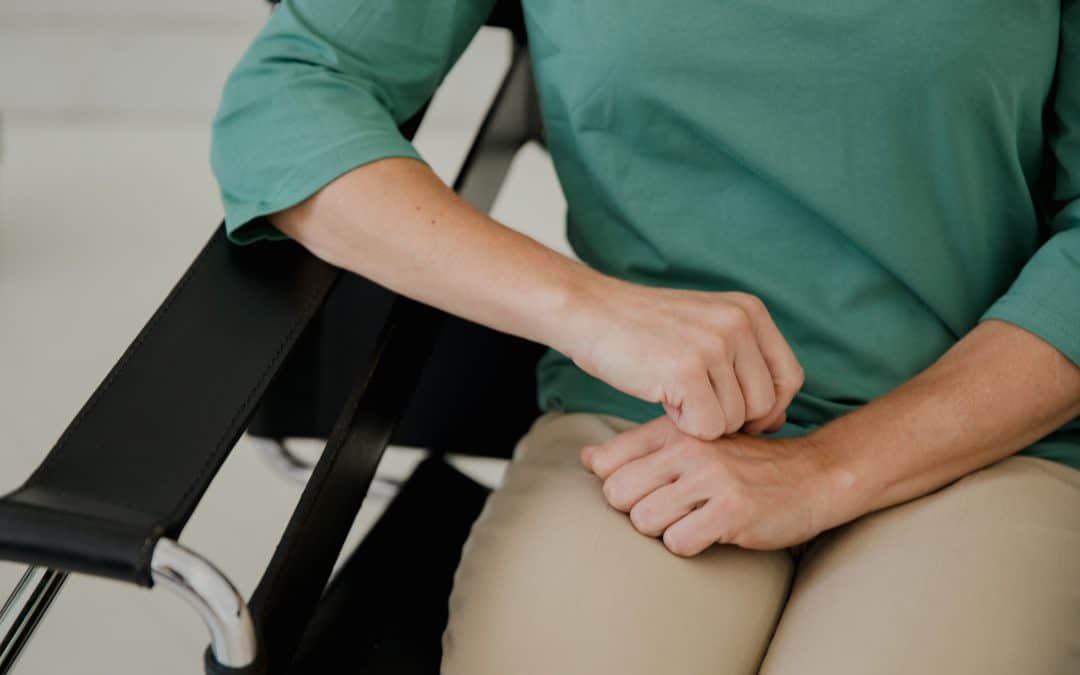
- Joint stiffness, especially in the morning
- Swelling or tenderness
- Reduced range of motion
- Pain during or after movement
Arthritis most frequently affects weight-bearing joints such as the knees and hips, but can also involve the shoulders and hands.
While arthritis cannot be reversed, its impact can often be managed effectively through targeted exercise and movement strategies.
Why Rest Alone Is Not the Solution
When joints feel painful or stiff, it’s natural to reduce movement. Short-term rest during flare-ups may help, but long-term inactivity can weaken muscles and increase stiffness.
Without regular movement:
- Muscles surrounding the joint lose strength
- Balance may decline
- Mobility becomes more restricted
- Pain sensitivity can increase
Exercise, when chosen carefully, helps counteract these effects.
How Exercise Physiology Supports Arthritis Management
Exercise physiology focuses on structured, evidence-based exercise tailored to individual needs and health conditions. For seniors with arthritis in Blackburn, this means programs designed to:
- Strengthen muscles around affected joints
- Improve joint stability
- Increase mobility safely
- Reduce pain flare-ups
- Support everyday function
Rather than generic workouts, programs are adapted to current ability and progressed gradually.
For a broader understanding of how structured exercise benefits older adults, visit our guide to the best exercises for seniors, which outlines safe and effective approaches to healthy ageing.
The Best Types of Exercise for Arthritis
Strength Training
Strengthening muscles around arthritic joints reduces load and improves stability. Stronger muscles help absorb force that would otherwise pass directly through the joint. Our strength and conditioning for older adults targets exactly these muscle groups.
Common strengthening areas include:
- Quadriceps for knee arthritis
- Gluteal muscles for hip arthritis
- Shoulder stabilisers for upper-body arthritis
Low-Impact Aerobic Exercise
Low-impact cardio supports circulation and reduces stiffness without excessive joint stress.
Examples include:
- Walking on flat surfaces
- Stationary cycling
- Swimming or hydrotherapy
Mobility and Range-of-Motion Exercises
Gentle mobility exercises help maintain joint flexibility and reduce stiffness.
These movements are controlled and stay within a comfortable range to avoid aggravation.
Why Blackburn Seniors Benefit From Local Exercise Support
Consistency is one of the most important factors in managing arthritis. Having access to a local clinic in Blackburn makes it easier to attend regular sessions and maintain progress.
Local exercise physiology support offers:
- Individualised assessment
- Ongoing monitoring
- Safe progression
- Accountability and encouragement
At Summit Health Group’s Blackburn clinic, programs are designed specifically for older adults managing arthritis.
Learn more about our osteoarthritis exercise for seniors to see how we support seniors with joint pain.
You can also visit our Blackburn clinic location page for appointment details and accessibility information.
Managing Arthritis Flare-Ups Safely
Arthritis symptoms can fluctuate. During flare-ups, exercise may need to be adjusted rather than stopped completely.
Modifications may include:
- Reducing load
- Shortening session duration
- Focusing on gentle mobility
- Avoiding aggravating positions
This approach helps maintain momentum without increasing irritation.
Supporting Long-Term Joint Health
While arthritis is a long-term condition, many seniors in Blackburn continue to live active, independent lives with proper management.
Long-term strategies include:
- Consistent strength training
- Gradual progression
- Maintaining a healthy body weight
- Staying active socially and physically
Exercise physiology provides structure and safety to help maintain these habits.
When to Seek Professional Guidance
Older adults experiencing persistent joint pain, swelling, or reduced mobility may benefit from structured support.
Professional guidance ensures:
- Correct exercise selection
- Safe progression
- Reduced fear of movement
- Improved confidence
Early intervention can prevent further decline in mobility.
Conclusion
Arthritis is a common condition among older adults, but it does not have to mean reduced independence or avoided activity. With safe, structured exercise, many seniors can reduce stiffness, improve strength, and move with greater confidence.
For older adults in Blackburn, exercise physiology offers personalised, supportive care tailored to arthritis management. Summit Health Group helps seniors improve mobility and confidence at its Malvern and Blackburn clinics. By focusing on gradual progression and joint-friendly movement, seniors can continue to stay active and maintain quality of life.
FAQs
Is exercise safe for seniors with arthritis?
Yes, when properly guided, exercise is one of the most effective ways to manage arthritis symptoms.
What type of exercise is best for knee arthritis?
Strengthening the thigh and hip muscles, combined with low-impact aerobic exercise, is often beneficial.
Should I stop exercising during an arthritis flare-up?
Not necessarily. Exercise may need to be modified, but complete inactivity can increase stiffness.