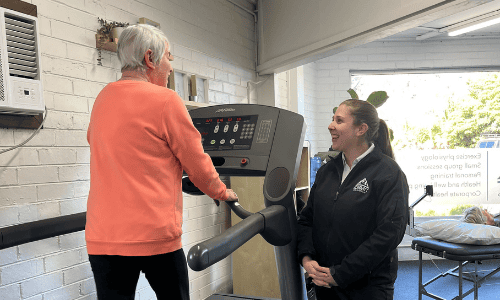
When searching for solutions to chronic pain, injury recovery, or improving your overall health, you may have come across the term “exercise physiology.” But what exactly is exercise physiology, and how can an exercise physiologist near you help you achieve your health and wellness goals?
What is Exercise Physiology?
Exercise physiology is the study of how the body responds to physical activity. It explores how the cardiovascular, muscular, and respiratory systems react and adapt to exercise. Whether you’re managing a chronic condition, recovering from injury, or aiming to improve athletic performance, exercise physiology provides science-backed interventions to help optimise movement, enhance health outcomes, and reduce the risk of injury.
Exercise physiologists are university-trained health professionals who specialise in the therapeutic use of exercise to treat and prevent a wide range of conditions. Think of them as exercise specialists who understand the body’s inner workings during movement and use this knowledge to create customised exercise programmes. These programmes are carefully designed to address specific needs, whether for rehabilitation, chronic disease management, or general health improvement.
The Role of an Exercise Physiologist
An exercise physiologist isn’t just for athletes. They are movement scientists who assess your physical condition and develop individualised exercise plans. The key difference between an exercise physiologist and a personal trainer is that exercise physiologists are trained to work with individuals dealing with health issues such as diabetes, heart disease, or neurological disorders, tailoring exercise as a form of treatment.

Accredited by Exercise and Sports Science Australia (ESSA), exercise physiologists undergo rigorous education, including a four-year degree and clinical placement. This expertise allows them to work closely with healthcare providers, ensuring a safe and effective approach to managing conditions like cardiovascular disease, diabetes, osteoporosis, and even mental health issues.
How Can Exercise Physiology Help?
Exercise physiology is highly versatile, offering benefits for a wide range of health conditions:
- Chronic Pain: Exercise programmes can help alleviate chronic pain by improving strength, flexibility, and movement patterns, particularly for conditions like arthritis, osteoporosis, and lower back pain.
- Diabetes: Regular exercise improves blood sugar control and insulin sensitivity, which are critical in managing Type 2 diabetes. Your exercise physiologist will design a plan that balances intensity and rest to suit your needs.
- Cardiovascular Disease: Exercise strengthens the heart, improves circulation, and reduces blood pressure. Your exercise physiologist will work closely with your cardiologist to ensure that your exercise regimen is safe and effective.
- Mental Health: Exercise is a powerful tool in managing mental health issues like depression and anxiety. Exercise physiologists often include stress-relief exercises that promote mental well-being alongside physical health.
- Parkinson’s Disease and Neurological Disorders: Targeted exercise can improve mobility, balance, and overall quality of life for individuals with neurological conditions.
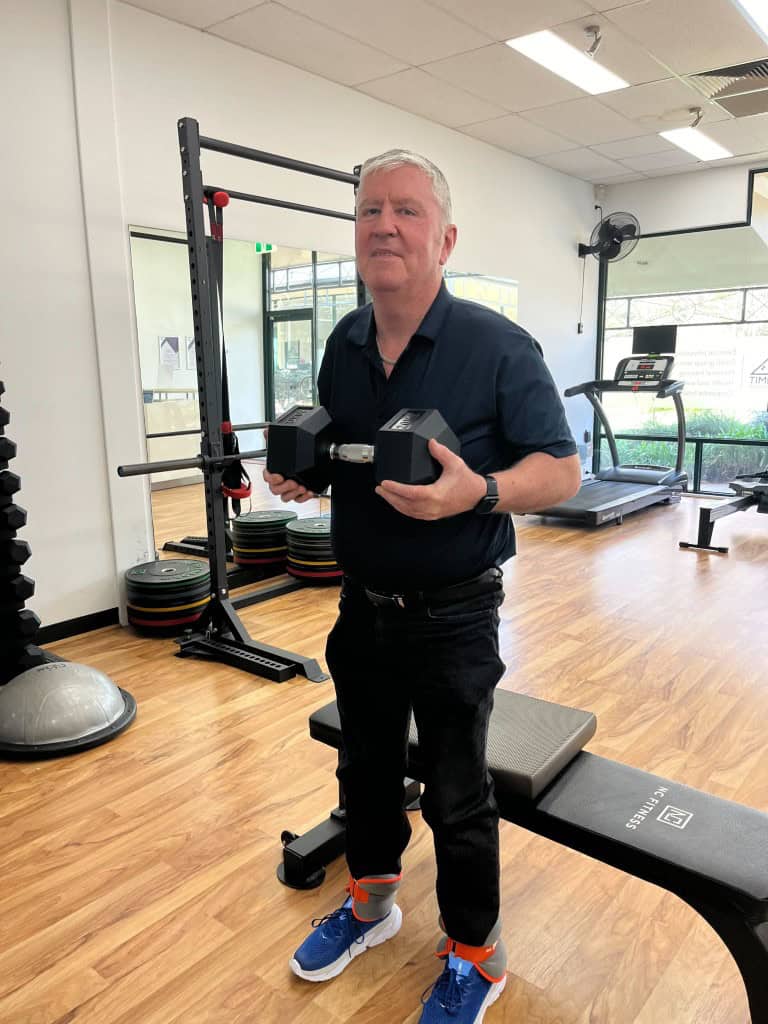
Exercise physiology doesn’t operate in isolation. It works as a complementary treatment to other medical care, and exercise physiologists often collaborate with physiotherapists, dietitians, and other health professionals to optimise patient outcomes.
How to Find an Exercise Physiologist Near Me?
When searching for an “exercise physiologist near me,” it’s important to ensure you’re choosing a qualified and experienced professional. Here are some tips to help guide your search:
- Credentials: Look for an accredited exercise physiologist who has a degree and is registered with a recognised body like ESSA. This ensures they have the necessary education and experience to provide safe and effective care.
- Experience with Specific Conditions: Whether you’re managing heart disease, diabetes, or recovering from surgery, check if the exercise physiologist has experience working with your specific condition.
- Accessibility: Many exercise physiologists offer telehealth consultations in addition to in-person services. Consider factors such as location, availability, and whether the services are covered by Medicare or private health insurance.
The Benefits of Working with an Exercise Physiologist
Exercise physiology is grounded in science and offers a tailored approach to health improvement. The beauty of working with an exercise physiologist is that they don’t just focus on fitness goals like weight loss or muscle gain. Instead, they concentrate on improving your overall health and quality of life by using exercise as medicine.
The benefits of exercise physiology extend to:
- Rehabilitation: Personalised exercise programmes to aid recovery from surgery or injury.
- Chronic Disease Management: Helping to manage diseases like diabetes, heart disease, and osteoporosis through safe, evidence-based exercise routines.
- Mental Health: Using exercise to improve mood, reduce anxiety, and combat depression.
- Functional Improvement: Enhancing mobility, balance, and strength, especially in individuals with neurological conditions or disabilities.
Conclusion: Start Your Health Journey Today
If you’re ready to take control of your health with a customised exercise programme, start by searching for an “exercise physiologist near me.” Whether you’re managing a chronic condition, recovering from injury, or simply looking to improve your overall health, an exercise physiologist can create a tailored plan that meets your needs and helps you reach your goals.
With the right exercise physiologist, you can achieve long-lasting results that improve both your physical and mental well-being. Don’t wait—take the first step towards a healthier, more active life today.