Osteopenia and osteoporosis are conditions that can severely impact bone health and quality of life, affecting millions worldwide. As bones weaken, the risk of fractures rises, which can significantly reduce mobility and independence. While medication and lifestyle changes contribute to maintaining bone health, exercise remains one of the most effective, natural ways to build stronger bones. If you’re searching for “exercise physiology near me” or interested in “exercise physiology services” for managing osteopenia and osteoporosis, an exercise physiologist can help you safely take proactive steps for your bone health.
Ostopenia Leaning To Osteoporosis
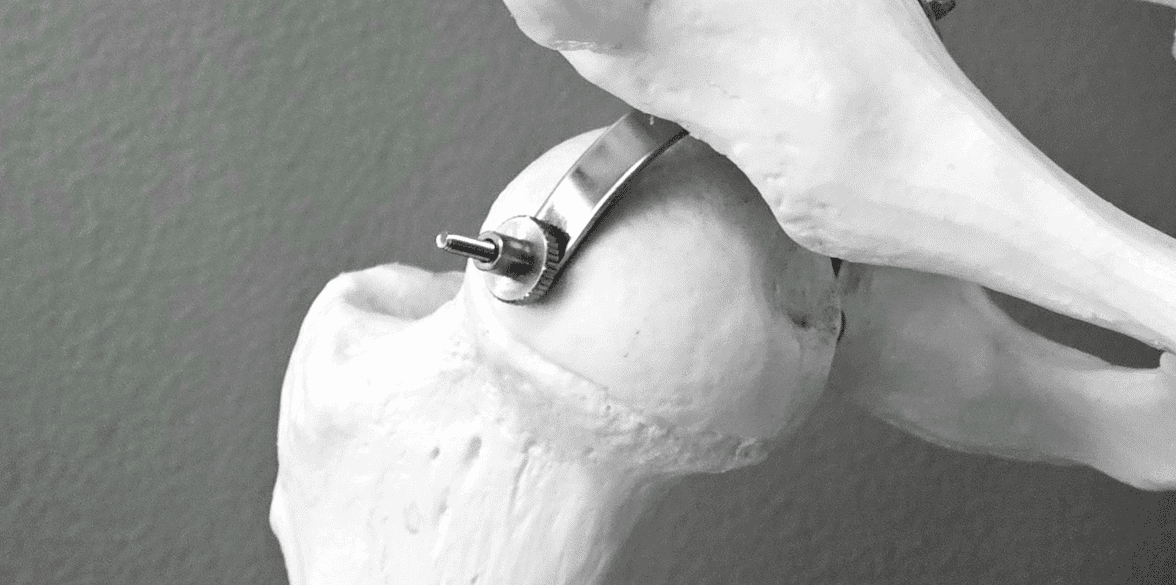
Osteopenia represents an early stage of bone loss, where bone density is lower than normal but not yet at the severe level of osteoporosis. Without intervention, osteopenia can progress to osteoporosis, where bones become brittle and fragile, prone to fractures in areas like the hips, spine, and wrists. These conditions commonly affect older adults, particularly post-menopausal women, as well as those with risk factors such as a sedentary lifestyle or poor nutrition.
The good news is that the right type of exercise, guided by an exercise physiologist, can have a substantial positive effect on bone health. Bones are dynamic tissues that respond to physical forces, making weight-bearing and resistance exercises especially beneficial for stimulating bone growth and improving bone strength. However, not all exercises are appropriate for those with osteopenia or osteoporosis, and some movements could even increase the risk of injury. This is why having a personalised, guided approach to exercise is crucial.
How Exercise Physiologists Can Help You
An exercise physiologist is a health professional trained to develop safe, effective exercise programmes tailored to chronic health conditions, including osteopenia and osteoporosis. Their focus on customising exercise for specific needs makes them an ideal choice for those considering exercise physiology services. By assessing your condition, fitness level, and medical history, exercise physiologists can create a programme that ensures you’re engaging in exercises that boost bone density, strengthen muscles, and enhance balance without increasing your injury risk.
One of the most effective strategies in exercise physiology for improving bone density is resistance training, which can involve lifting weights, using resistance bands, or performing bodyweight exercises. An exercise physiologist helps you determine the correct intensity and frequency for your workouts, ensuring you’re stimulating bone growth safely. They also guide you on proper form and technique to minimise stress on fragile bones.
Beyond bone-strengthening exercises, an exercise physiologist will incorporate balance and coordination exercises into your routine. Balance training is particularly important for osteopenia and osteoporosis, as falls are a primary cause of fractures. By helping improve your stability, an exercise physiologist can reduce your risk of falls and give you greater confidence in your movements.
Personalised Program For Faster Recovery
Exercise with an exercise physiologist isn’t a quick fix; it’s a long-term strategy to support your bone health and overall well-being. Through a personalised programme, exercise physiologists help you integrate physical activity into your daily life in a way that’s sustainable and enjoyable. This holistic approach ensures you build habits that keep your bones strong and your body active for years to come.
One of the greatest benefits of working with an exercise physiologist is the ongoing support and adjustments they provide as your needs evolve. As you make progress, your exercise programme will be modified to match your changing goals and capabilities. This continuous support keeps your exercise routine effective and responsive to any new challenges.
When managing osteopenia or osteoporosis, many people explore “exercise physiology vs physiotherapy” to decide which approach might best suit their needs. While both are valuable, exercise physiologists focus on long-term management of chronic health conditions through structured, targeted exercise programmes. Physiotherapists, on the other hand, often focus on rehabilitation after injuries. For those looking to prevent further bone loss and improve overall function, exercise physiology services offer an approach tailored specifically to bone health and long-term strength.
Conclusion
If you’re ready to start improving your bone health, a search for “exercise physiology near me” can connect you with local professionals who provide specialised exercise physiology services for osteopenia and osteoporosis. During your first session, you’ll discuss your medical history, lifestyle, and any symptoms you’re experiencing. From there, the exercise physiologist will perform a functional assessment to understand your physical capacity, balance, and any limitations, creating a personalised exercise plan that aligns with your specific needs and goals.
With the help of an exercise physiologist, you can take control of your bone health. Rather than letting osteopenia or osteoporosis dictate your quality of life, guided exercise can help you improve bone strength, reduce your fracture risk, and support a more active lifestyle. Taking steps to engage in regular, structured exercise is one of the best ways to protect and strengthen your bones over time.
If you have questions about exercise physiology services or are ready to take the next step in managing your bone health, reach out to Summit Health Group today. Our team is dedicated to providing expert guidance, personalised exercise programmes, and the support you need to lead a healthier, more active life. Let’s take the first step towards stronger bones together!