One of the most common questions we hear from people in Ashburton is:
“Should I rest or move with back pain?”
👉 Quick answer: In most cases, you should keep moving. Short rest may help during severe flare-ups, but prolonged rest can slow recovery. Gentle movement helps improve circulation, reduces stiffness, and supports long-term healing.
Q: Should I rest when my back hurts?
A: Brief rest can help in the first 24–48 hours if pain is severe. However, long periods of rest or bed rest often make back pain worse. Muscles weaken, joints stiffen, and the back becomes more sensitive.
Semantic variation used: “does resting help back pain.”
Q: Is it better to move or rest with back pain?
A: Movement is almost always the better option. Light activity like walking, stretching, or guided exercise helps the spine stay healthy. Think of it as “motion is lotion” for your back.
Semantic variation used: “is it better to move or rest with back pain.”
Q: What type of movement works best?
- Walking: A safe and simple way to start moving.
- Gentle stretching: Keeps the spine and hips mobile.
- Strengthening exercises: Build resilience to prevent future flare-ups.
At Summit Health Group, many clients from Ashburton have improved their back pain with programs that combine these approaches.
Q: What if movement makes my pain worse?
A: Some discomfort is normal, but pain should not worsen sharply. Adjust intensity, choose lower-impact activities, or seek professional advice. Guided exercise ensures you progress safely.
Q: Should I walk with back pain?
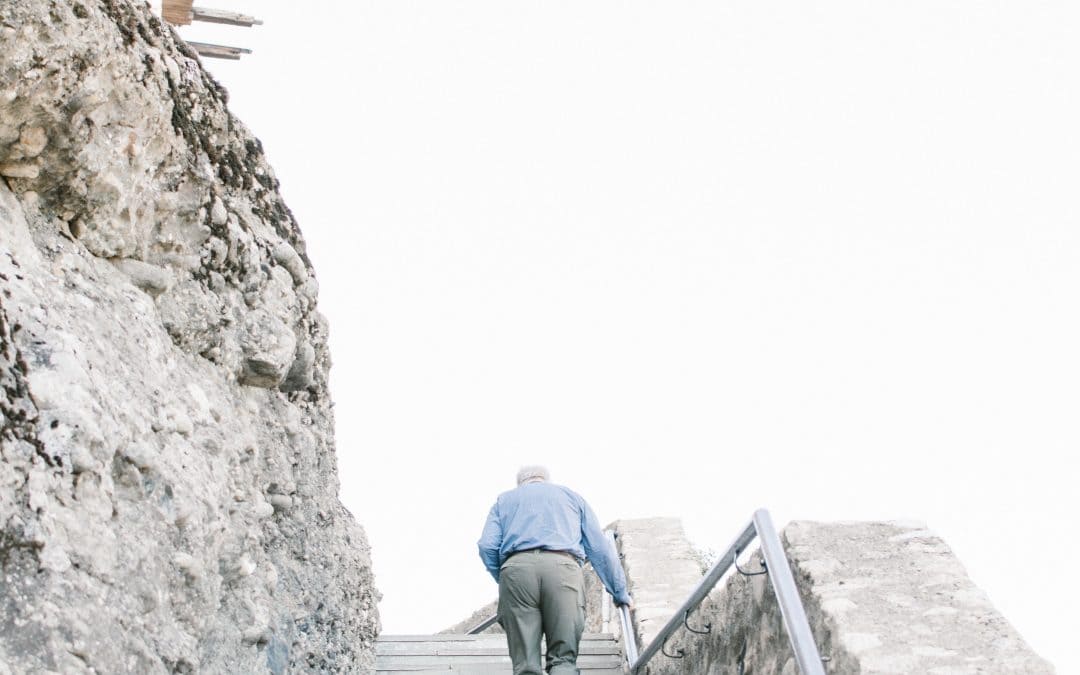
A: Yes — walking is one of the best first steps. It is low-impact, helps circulation, and can ease stiffness without overloading your back.
Semantic variation used: “should I walk with back pain.”
Q: When should I seek help?
- If your pain lasts longer than a few weeks.
- If you have numbness, weakness, or leg symptoms.
- If you’re unsure how much activity is safe.
That’s when working with an exercise physiologist can help you make the right call between rest and movement.
The Bottom Line for Ashburton Residents
When it comes to the question “Should I rest or move with back pain?” the evidence is clear:
- Rest briefly if pain is extreme.
- But keep moving, within comfort and safety limits, for the best recovery.
👉 If you live in Ashburton and are struggling with back pain, Summit Health Group can create a tailored program to help you move safely and confidently. Book your consultation today and take the first step toward lasting relief.
For a full overview of our lower back pain exercise programs in Melbourne, visit our exercise for lower back pain Melbourne page.
Frequently Asked Questions
Should I rest or move with back pain?
In most cases, gentle movement is better than prolonged rest for back pain. Brief rest may help if pain is severe, but staying active within comfort limits generally leads to faster recovery. Walking is one of the best first steps as it is low impact, helps circulation and can ease stiffness without overloading the back.
Is it better to walk or rest with back pain?
Walking is generally recommended over rest for back pain. It is low impact, supports circulation and can help reduce stiffness. Some discomfort during walking is normal but pain should not worsen sharply. If it does, reduce intensity or seek professional advice from an exercise physiologist or physiotherapist.
When should I see a professional for back pain?
You should seek professional advice if your back pain lasts longer than a few weeks, if you experience numbness or weakness in your legs, or if pain is severe and not improving with gentle movement. An exercise physiologist can assess your movement patterns and design a safe, progressive program to help you recover and prevent future flare-ups.