Quick Summary
• There is no single exercise that suits everyone as they age
• Strength training plays a key role in maintaining independence and function
• Muscle loss occurs naturally with ageing, but can be slowed with exercise
• Balance and mobility exercises complement strength work
• Exercises should be adapted to individual ability and confidence
As we get older, staying physically active becomes increasingly important for maintaining independence, confidence, and quality of life. Age-related changes in muscle strength, balance, and mobility can make everyday tasks more challenging, particularly without regular movement. In Australia, reduced physical activity is common among older adults and is linked to poorer health outcomes. According to AIHW data on physical activity in older Australians, lower activity levels are associated with increased risk of falls, functional decline, and chronic health conditions.
While many people search for a single “best” exercise as they age, the reality is more nuanced. This article explores what the number one exercise really is as you get older, why it matters, and how it fits into a balanced approach to healthy ageing.
Is There Really One Best Exercise as You Get Older?
The idea of a single “best” exercise is appealing, but ageing bodies are diverse. Health history, confidence, mobility, and previous activity levels all influence what works best for each individual.
That said, there is strong agreement among health professionals that one type of exercise stands out for its wide-ranging benefits. Rather than focusing on variety alone, prioritising the right type of movement can have a significant impact on long-term function.
Why Strength Training Is Often Considered Number One
Strength training is widely regarded as the most important exercise as we get older because it directly addresses age-related muscle loss. From around midlife onward, muscle mass and strength naturally decline, which can affect balance, mobility, and independence.
Regular strength training helps:
- Maintain muscle mass and strength
- Support bone density
- Improve balance and stability
- Make everyday tasks easier
- Reduce the risk of falls and injury
Because strength underpins so many aspects of movement, it plays a central role in healthy ageing. It is the foundation of strength training for seniors at Summit Health Group.
For a broader overview of how strength fits alongside other exercise types, see our guide to the best exercises for seniors, which explains how different forms of activity work together.
How Strength Training Supports Everyday Life
Strength training isn’t about lifting heavy weights or pushing limits. For older adults, it focuses on improving the ability to perform daily activities safely and confidently.
Improved strength supports:
- Standing up from a chair
- Walking up stairs
- Carrying groceries
- Maintaining good posture
- Recovering balance if you stumble
These everyday benefits are why strength training is often prioritised as the number one exercise for older adults.
What Strength Training Looks Like for Older Adults
Strength exercises for older adults can be simple and adaptable. They may include:
- Chair-based exercises
- Bodyweight movements
- Resistance bands
- Light dumbbells
- Controlled machine-based exercises
The key is choosing exercises that feel challenging but manageable, and progressing gradually over time. Proper technique and appropriate resistance matter far more than intensity. Our strength training for healthy ageing is built exactly this way.
How Balance and Mobility Support Strength Training
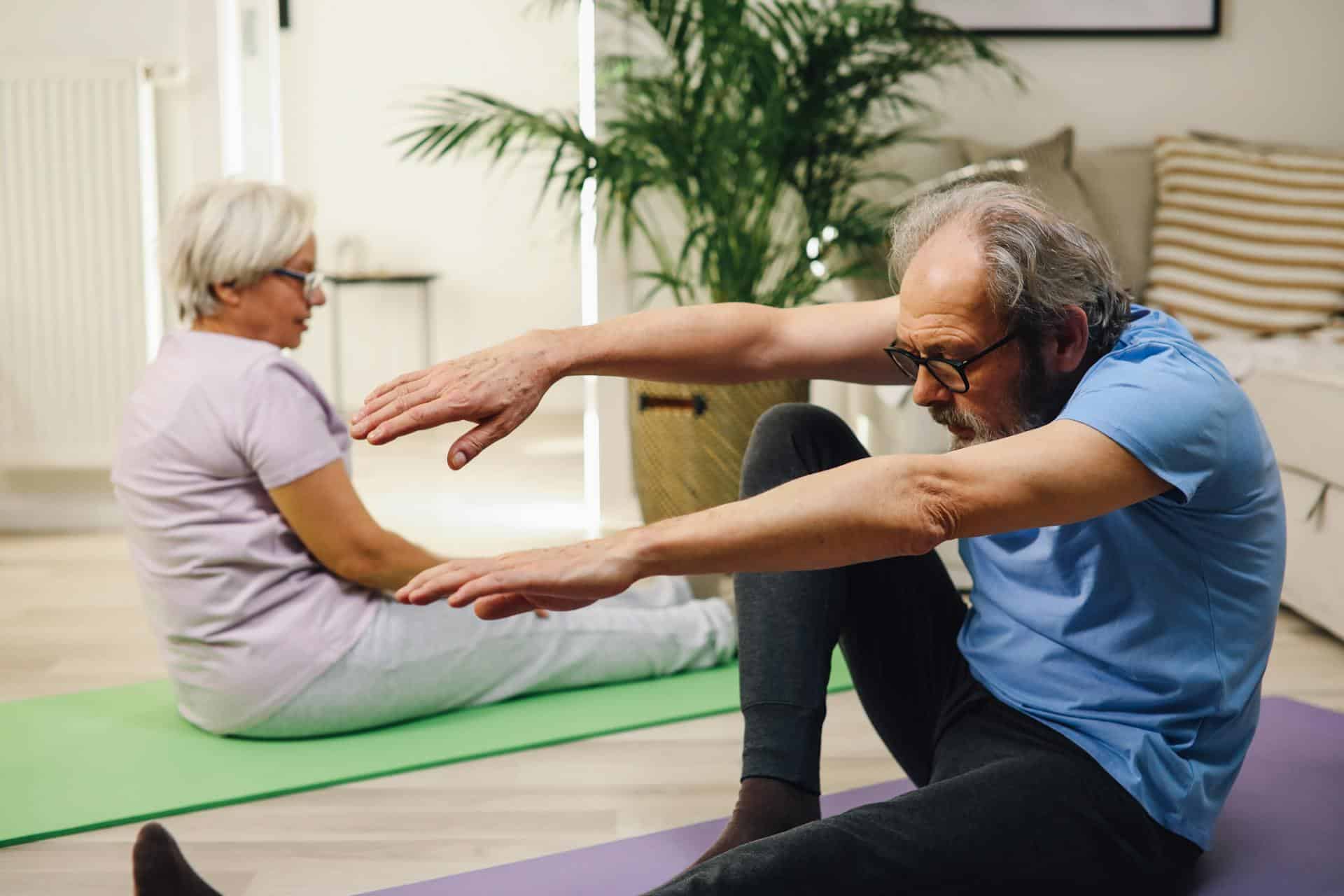
While strength training may be the top priority, it works best when combined with balance and mobility exercises. Strength supports movement, but balance and mobility help ensure that movement is safe and controlled.
Balance exercises improve stability and confidence, while mobility work helps joints move comfortably. Together, these exercise types support overall function and reduce injury risk.
This combination approach is why exercise programs that focus only on walking or stretching may not fully address the needs of older adults.
Want a strength program designed for your body and your goals? Our accredited exercise physiologists at our Malvern clinic and Blackburn clinic specialise in strength training for adults over 60 — clinical programs that adapt as your capacity grows, delivered weekly for lasting results. Book a free 15-minute phone call →
How Often Should Strength Training Be Done?
Most older adults benefit from strength training at least two days per week. This allows time for muscles to adapt and recover while still maintaining consistency.
Strength sessions do not need to be long. Even short, focused sessions can be effective when performed regularly. Rest days are important, particularly for beginners or those returning after a period of inactivity.
Adapting Strength Training to Individual Needs
Not everyone starts from the same place. Joint pain, chronic conditions, balance concerns, or previous injuries may influence how strength exercises are selected and progressed.
Strength training should always be:
- Adapted to current ability
- Progressed gradually
- Modified if pain or discomfort occurs
For some people, guidance from an exercise physiologist for older adults in Melbourne can help ensure exercises are both safe and effective.
For adults managing joint pain, chronic conditions, or previous injuries in Melbourne, our exercise physiology in Malvern and exercise physiology in Blackburn clinics provide exactly this kind of individually adapted, clinically supervised approach.
Why Strength Alone Isn’t Enough
Although strength training is often considered the number one exercise, it works best as part of a balanced routine. Aerobic exercise supports heart health, balance training reduces falls risk, and mobility work improves comfort and movement quality.
Thinking about exercise as a combination rather than a single activity helps support long-term health and independence.
Conclusion
While there is no single exercise that suits everyone as they age, strength training stands out for its ability to support independence, balance, and everyday function. By maintaining muscle strength, older adults can continue to move with confidence and perform daily tasks more easily.
When combined with balance, mobility, and aerobic activity, strength training forms the foundation of a well-rounded approach to healthy ageing. Adapted appropriately and performed consistently, it can deliver meaningful benefits at any stage of life.
For adults over 60 in Melbourne’s inner south-east and eastern suburbs, Summit Health Group’s exercise physiology for older adults programs are built around exactly this approach — strength as the foundation, supported by balance, mobility, and aerobic conditioning, delivered in weekly ongoing sessions that produce lasting results.
Book a free 15-minute phone call → Or call us: Malvern (03) 9576 3216 | Blackburn (03) 8625 0514
FAQ
Is there really one best exercise as you get older?
There isn’t a single exercise that suits everyone, but strength training plays a key role in maintaining function, independence, and quality of life.
Why is strength training important for older adults?
Strength training helps preserve muscle mass, supports bone health, and makes everyday activities like standing and climbing stairs easier.
Can beginners safely start strength exercises later in life?
Yes, beginners can start strength exercises safely with appropriate guidance, light resistance, and gradual progression.