Can exercise lower your blood sugar?
If you’ve recently been told your blood sugar is high — whether that’s pre-diabetes or type 2 diabetes — it’s easy to feel overwhelmed by all the advice coming at you. So let’s keep this simple and start with the good news: yes, exercise can lower your blood sugar, and it’s one of the most effective tools you have. Here’s how it works, what kind of movement helps most, and how to do it safely.
A quick note before we start: this is general information, not medical advice. If you’re managing diabetes, keep working with your GP, endocrinologist or diabetes educator — especially about anything to do with your medication. This article is about the exercise side of things.
Does exercise really lower blood sugar?
It does — and the effect is both immediate and long-term. Exercise is recognised as a cornerstone of managing type 2 diabetes, alongside diet and any medication your doctor prescribes. For many people, becoming more active is one of the biggest levers they have over their blood sugar. Done properly and consistently, exercise physiology for type 2 diabetes helps bring blood sugar into a healthier range and keep it there.
How exercise controls blood sugar
Two things happen, and together they’re powerful:
- During activity, your muscles use glucose directly. Working muscles pull sugar out of your bloodstream to fuel movement — which lowers blood sugar there and then, often for hours afterwards.
- Over time, your body responds to insulin better. Regular exercise improves insulin sensitivity, meaning your body needs less insulin to move the same sugar out of your blood. That’s a lasting benefit that builds with consistency.
So a single walk helps today, and a regular routine helps every day — that combination is why movement is so effective for blood-sugar management. It’s also why the benefit fades if you stop: the good news is it comes back quickly once you start again.
The best types of exercise for blood sugar
The most effective approach combines two kinds of exercise:
- Aerobic activity — walking, cycling or water-based exercise, which burns glucose and improves fitness. A gentle walk after meals is a simple, well-evidenced way to blunt the blood-sugar spike that follows eating.
- Resistance training — building muscle matters because muscle is where a lot of glucose gets used and stored. More muscle means more capacity to manage blood sugar, even at rest.
Consistency beats intensity. Regular, moderate activity most days does more for your blood sugar than the occasional hard session. Our metabolic health programs are built around exactly this balance.
How much exercise, and how often?
A widely used general guide is around 150 minutes of moderate activity spread across the week — but the number matters less than the pattern. Because each session of activity has a direct effect on blood sugar, spreading exercise across most days keeps that benefit topped up, rather than doing it all at once and leaving long gaps. A practical starting point many people find manageable is a short walk after meals plus a couple of resistance sessions a week. If that sounds like a lot from where you are now, it’s fine to start smaller and build — even ten minutes counts, and something you’ll keep doing beats an ambitious plan you abandon.
What to be mindful of
Exercise is safe and beneficial for the vast majority of people with type 2 diabetes — a few sensible points keep it that way:
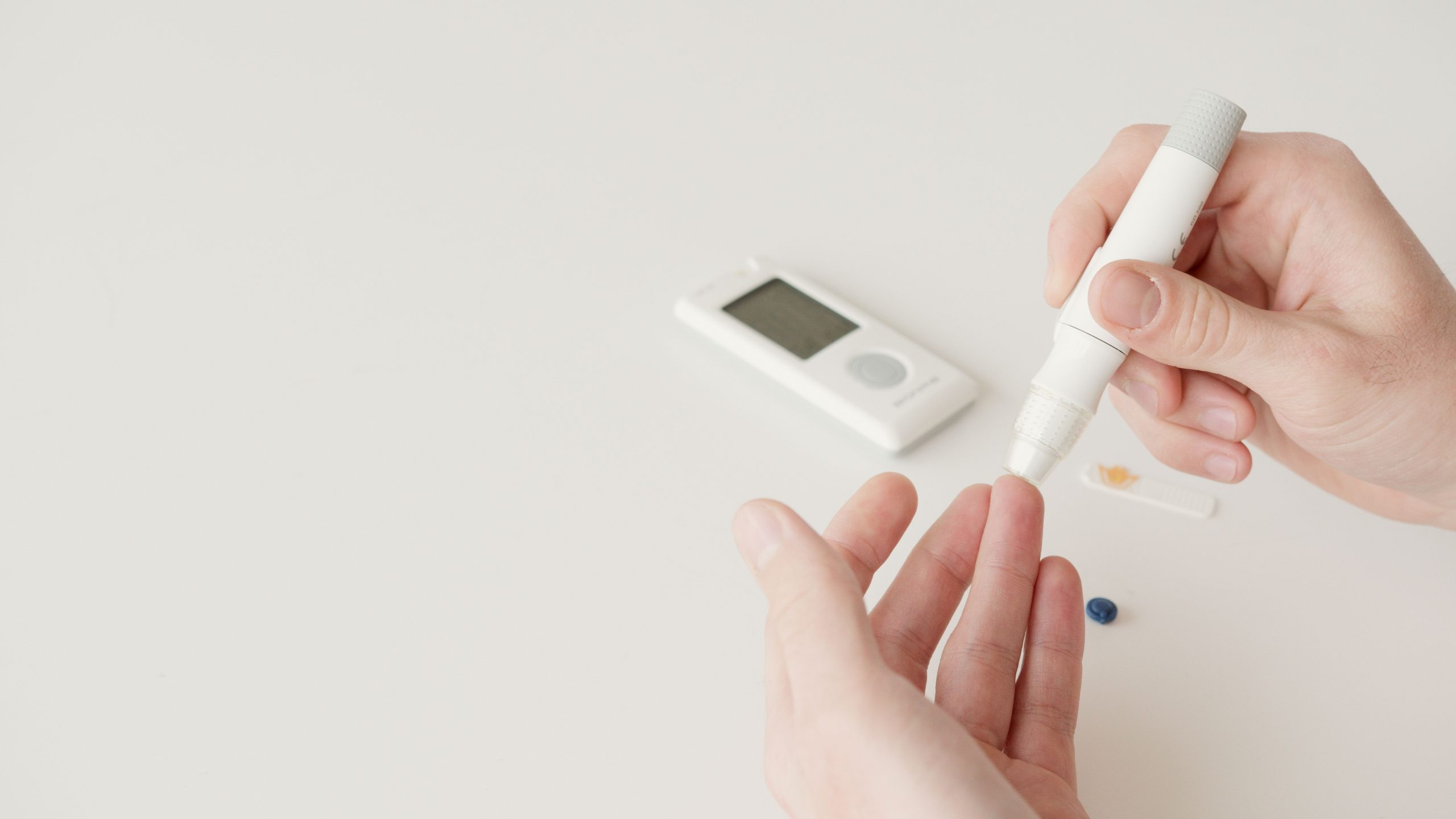
- If you take insulin or certain glucose-lowering medications, exercise can lower your blood sugar enough to cause a hypo. Know the signs, and get individual advice from your diabetes team on monitoring around activity.
- Stay hydrated, and build up gradually rather than doing too much too soon.
- If you have any nerve changes in your feet, choose supportive footwear and check your feet regularly.
This is a big part of why supervised support helps — so your program is matched to your health, your medication and your starting point, not a generic template.
How an exercise physiologist helps
An accredited exercise physiologist designs a program that’s safe alongside your diabetes and any other conditions, and that fits your life so you’ll actually keep it up. They start with an assessment, build something realistic, and progress it as your fitness — and your blood-sugar control — improve. The real value is ongoing: blood sugar responds to what you do week in, week out, so a consistent, supported routine produces far better results than a short burst of effort. That long-term, relationship-based approach is how we work.
Getting started in Melbourne
We work with people managing type 2 diabetes and blood-sugar concerns at our Malvern and Blackburn clinics, with home visits and telehealth available across Melbourne. Your first session is an assessment — your health, your activity now, your goals — and from there we build a plan around you.
Frequently asked questions
How quickly does blood sugar drop after exercise? A single session of aerobic exercise can lower blood sugar during and for a number of hours afterwards. The bigger, lasting improvements come from regular activity over weeks and months.
What’s the best time of day to exercise for blood sugar? There’s no single best time, but many people find a gentle walk after meals particularly helpful for managing the post-meal rise. The most important thing is finding a time you can stick to consistently.
Can exercise reverse type 2 diabetes? For some people, sustained lifestyle change including regular exercise can bring blood sugar back into a non-diabetic range — often described as remission. Whether that’s realistic for you is best discussed with your doctor, but exercise improves blood-sugar control for almost everyone.
Do I need to exercise every day? Not necessarily, but because the blood-sugar benefit of each session is relatively short-lived, spreading activity across most days works better than long gaps. A little most days is an excellent target.
Is walking enough to lower blood sugar? Walking is a genuinely effective start, especially after meals. Adding some resistance training on top gives you more capacity to manage blood sugar, which is why the two together work best.