Quick Summary
• A corked thigh is a muscle contusion caused by a direct impact to the thigh
• Recovery time depends on the severity and type of muscle contusion
• Mild corked thighs may heal within a few weeks, while severe cases take longer
• Early protection and gradual movement support better recovery
• Persistent pain or limited movement may benefit from professional assessment
If you’ve ever taken a hard knock to the thigh during sport or a fall and ended up with deep muscle pain and stiffness, you may have experienced what’s commonly called a corked thigh. Medically known as a quadriceps contusion, this injury occurs when a direct impact compresses the muscle against the bone, causing internal bleeding and swelling. Muscle contusions are among the most common sports-related muscle injuries, with research showing that over 90% of sports muscle injuries involve the major lower-limb muscle groups, including the quadriceps. Understanding how long a corked thigh takes to heal — and how to manage it properly — can make a big difference to recovery and confidence with movement.
In this article, we’ll explain what a corked thigh is, what affects healing time, and how to support recovery safely so you can get back to everyday activities or sports with less risk of complications.
What Is a Corked Thigh?
A corked thigh, also known as a quadriceps contusion, occurs when the muscles at the front of the thigh absorb a direct blow. The impact damages muscle fibres and blood vessels, leading to bleeding within the muscle. This results in pain, swelling, stiffness, and reduced movement around the hip and knee.
Common Causes of a Corked Thigh Injury
Direct Impact or Trauma to the Thigh
A direct hit from another person, a ball, or a hard surface can compress the muscle and cause a contusion.
Contact Sports and Accidental Falls
Sports such as football, rugby, soccer, and hockey commonly cause corked thighs, but they can also occur after slips, trips, or everyday accidents.
Signs and Symptoms of a Corked Thigh
Common symptoms include pain, tenderness, swelling, stiffness, and bruising. Some people find it difficult to bend the knee fully or walk comfortably. Bruising may appear immediately or develop over several days.
Types of Corked Thigh Injuries
Intermuscular Contusion
In an intermuscular contusion, bleeding spreads between muscle layers. These injuries are usually less painful and recover more quickly.
Intramuscular Contusion
With an intramuscular contusion, bleeding is trapped within the muscle sheath. This often causes more swelling, stiffness, and a longer recovery period.
How Long Does a Corked Thigh Take to Heal?
Mild Corked Thigh Recovery Timeline
Mild corked thighs often improve within 2–3 weeks, especially with good early management.
Moderate Corked Thigh Recovery Timeline
Moderate injuries may take 4–6 weeks to heal as movement and strength gradually return.
Severe Corked Thigh Recovery Timeline
Severe contusions can take 6–12 weeks or longer, particularly if swelling is significant or complications develop.
What Affects Corked Thigh Recovery Time?
Severity and Type of Contusion
Deeper or intramuscular injuries usually take longer to recover than milder contusions.
Early Injury Management
Appropriate care in the first 48 hours can significantly influence recovery speed and comfort.
Activity Levels and Load Management
Returning to activity too quickly or pushing through pain often delays healing.
Previous Injury History
A history of muscle injury can affect how quickly tissue recovers.
Early Management of a Corked Thigh
Protecting the Muscle in the First 48 Hours
Protect the area from further impact and avoid painful movements, while still allowing gentle, pain-free activity.
Managing Pain, Swelling, and Bruising
Ice, compression, and elevation can help reduce pain and swelling. Keeping the knee slightly bent may also reduce muscle tension.
What to Avoid in the Early Stages
Avoid heat, deep massage, or aggressive stretching early on, as these can worsen bleeding and swelling.
Rehabilitation and Recovery Exercises
Restoring Range of Motion Safely
Gentle knee bending and straightening help restore movement once pain settles.
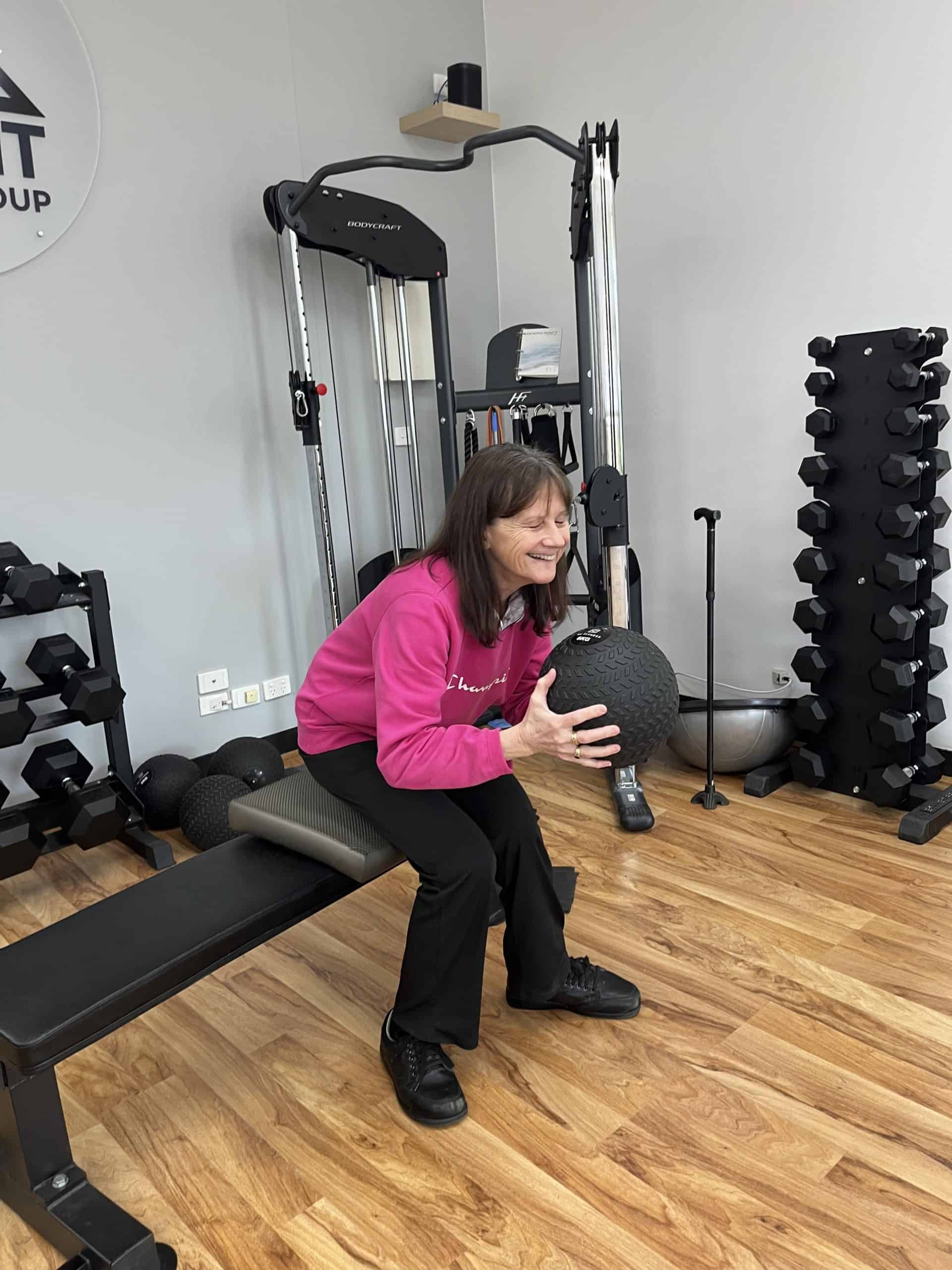
Gradual Strengthening of the Quadriceps
Strength exercises are introduced gradually to rebuild muscle capacity and confidence.
Returning to Functional Movement
As recovery progresses, functional movements such as walking, squatting, and light sport-specific drills are reintroduced. The same graded principles apply when recovering from a pulled hamstring.
Potential Complications to Watch For
Myositis Ossificans
In rare cases, bone-like tissue can form within the muscle, leading to persistent pain and stiffness.
Ongoing Pain or Restricted Movement
Symptoms that don’t improve may indicate incomplete healing or the need for professional support.
Corked Thigh Recovery for Different Populations
Corked Thigh Injuries in Athletes
Athletes focus on restoring strength, speed, and confidence before returning to sport.
Corked Thigh Injuries in Older Adults
For older adults, recovery prioritises safe walking, comfort, and independence.
Corked Thigh Recovery for Reduced Mobility or Chronic Conditions
People with reduced mobility may benefit from a slower, more individualised rehab approach.
When to Seek Professional Treatment for a Corked Thigh
If pain is severe, swelling increases, or movement isn’t improving over time, professional assessment is recommended.
How an Exercise Physiologist Can Support Corked Thigh Recovery
An exercise physiologist can assess the injury, guide safe progression, and create a tailored rehab program to support efficient recovery and reduce complications. Our exercise physiology for injury recovery does exactly this.
Conclusion
A corked thigh can be painful and frustrating, but with the right approach, most people recover well. Understanding what a corked thigh is, how severe it may be, and what influences healing time allows you to manage the injury more confidently and avoid common setbacks.
Recovery isn’t just about waiting for pain to disappear. Early protection, smart symptom management, and a gradual return to movement and strengthening all play an important role in restoring function and reducing the risk of complications. With a structured, evidence-based rehab plan and the right support, a corked thigh doesn’t have to sideline you longer than necessary — helping you return to everyday life or sport with confidence.
Book a Corked Thigh Assessment with Summit Health Group
If a corked thigh is limiting your movement or slowing recovery, a personalised assessment can help. Summit Health Group provides evidence-based exercise physiology support to help you recover safely and return to movement with confidence. We help people move with greater confidence after injury.
Frequently Asked Questions About Corked Thigh Injuries
Can you walk with a corked thigh?
Most people can walk, although stiffness or discomfort is common. Walking should remain pain-free and gradual.
Should you stretch a corked thigh?
Stretching too early can worsen the injury. Stretching is usually introduced once pain and swelling have settled.
How do you know when a corked thigh has healed?
Healing is usually indicated by normal movement, strength, and no pain during daily activities or exercise.