At Summit Health Group, many of our clients in Vermont come to us with ongoing back discomfort and ask: “Can tight hips cause back pain?”
The answer is often yes. Tight hips don’t just cause stiffness in the lower body — they can place extra strain on the spine, leading to both acute back pain and longer-term chronic pain. Let’s explore why.
How the Hips and Back Are Connected
The hips and spine work together as part of one movement system. When the hips become tight or restricted, the lower back often compensates — and that’s when pain begins.
- Hip flexors (front of the hip): Tightness here, often from long hours of sitting, can pull the pelvis forward and create pressure in the lumbar spine.
- Glutes (back of the hip): Weak or underactive glutes shift the workload to the lower back muscles.
- Myofascial connections: The fascia (connective tissue) links the hips directly to the lumbar spine, so hip tension can quickly trigger back pain.
Why Tight Hips Can Contribute to Back Pain
- Pelvic tilt: Shortened hip flexors pull the pelvis forward, exaggerating the spine’s curve.
- Restricted mobility: Limited hip motion forces the back to move more than it should when walking, lifting, or bending.
- Muscle imbalance: Tight hip flexors plus weak glutes equals overworked back muscles.
- Myofascial tension: Fascial tightness around the hips creates tension patterns that radiate into the lower back.
For many people, this isn’t just an occasional issue — it becomes a source of chronic back pain.
Signs Your Hip Tightness May Be Driving Back Pain
- Stiffness in the front of the hips after sitting or driving
- Lower back tension when standing up straight
- Pain with squats, hills, or stairs
- A pulling sensation across the lower back during hip stretches
If you live in Vermont and notice these signs, hip tightness could be a key factor in your back pain.
What You Can Do About It
1. Hip Mobility Stretches
- Kneeling hip flexor stretch
- Figure-4 stretch for glutes
- Seated hip opener
2. Strengthen the Hips
- Bridges to activate glute
- Clamshells for hip stabiliser
- Step-ups for functional strength
3. Myofascial Release
Using a foam roller or massage ball on the hip flexors, quads, and glutes helps release tension and restore movement.
4. Seek Professional Guidance
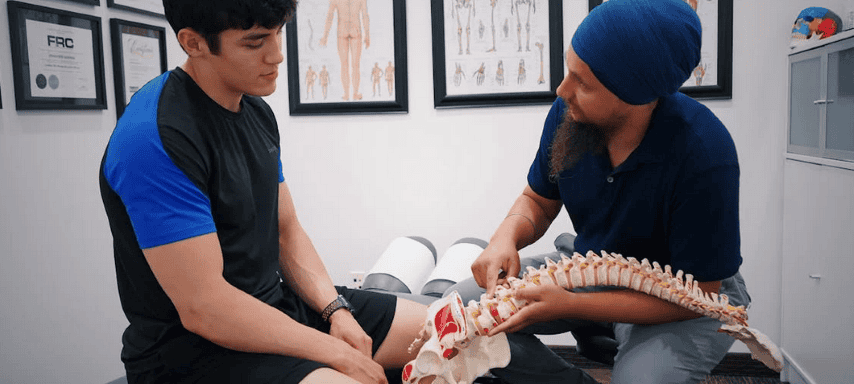
If hip tightness is causing ongoing or chronic back pain, an Exercise Physiologist in Vermont can assess your movement patterns, address myofascial restrictions, and guide you through a safe, progressive program.
Takeaway
So, can tight hips cause back pain? Yes — hip restrictions can overload the lower back, leading to stiffness, discomfort, and even chronic pain. By improving hip mobility, strengthening supporting muscles, and releasing fascial tension, you can relieve strain on your back and move with confidence.
If you’re in Vermont and dealing with persistent back pain, our team at Summit Health Group is here to help.👉 Book an appointment today and take the first step toward a healthier back and freer movement.
To learn more about how we treat lower back pain through structured exercise, see our exercise for lower back pain Melbourne page.
Frequently Asked Questions
Can tight hips cause back pain?
Yes. Tight hips can place extra strain on the spine and cause both acute and chronic back pain. When the hips become restricted, the lower back often compensates. Tight hip flexors can pull the pelvis forward and create pressure in the lumbar spine, while weak glutes shift the workload to the lower back muscles.
How do I release tight hips to relieve back pain?
Using a foam roller or massage ball on the hip flexors, quadriceps and glutes can help release tension and restore movement. Stretching the hip flexors and strengthening the glutes are also effective. For persistent hip tightness causing back pain, an exercise physiologist can assess your movement patterns and guide you through a safe, progressive program.
What muscles cause back pain when tight?
The hip flexors at the front of the hip are a common contributor to lower back pain, particularly in people who sit for long periods. Tight glutes and restricted fascia connecting the hips to the lumbar spine can also cause or worsen back pain. Addressing hip mobility and glute strength together is often the most effective approach.