
Spine Surgery Rehabilitation
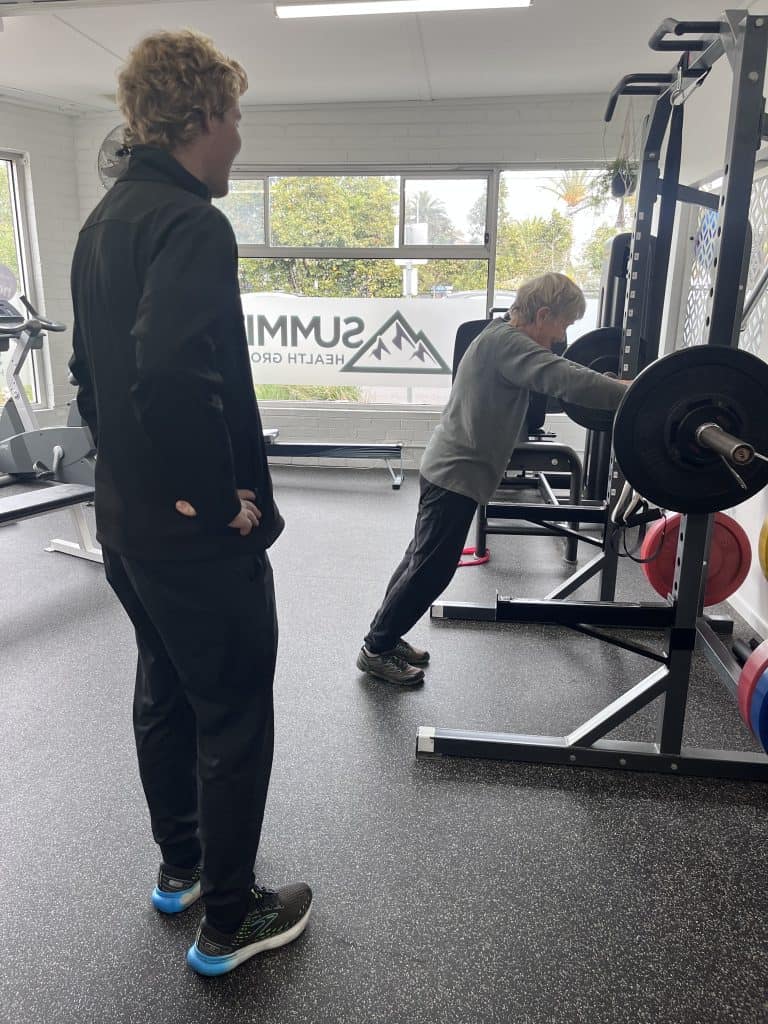
Spine surgery — whether it involves the neck, mid-back or lower back — is a significant step toward reducing pain, relieving nerve compression and restoring function. But surgery is only part of the solution. The success of your recovery depends heavily on high-quality rehabilitation that strengthens the spine, restores movement confidence and improves long-term outcomes.
Summit Health Group’s Spine Surgery Rehabilitation Program is designed to support you through each stage of recovery. Delivered by Accredited Exercise Physiologists, the program focuses on rebuilding strength, improving mobility, reducing pain and helping you return to safe, confident daily movement.
Whether you’ve had spinal fusion, disc surgery, laminectomy, decompression, cervical surgery or microdiscectomy, our tailored approach helps guide your healing and long-term restoration of spinal health.
Why Rehabilitation Is Essential After Spine Surgery
While surgery can correct structural issues such as nerve compression, disc herniation or spinal instability, rehabilitation ensures that the surrounding muscles, joints and movement patterns support long-term recovery.
Rehab helps:
- reduce pain and stiffness
- improve spinal mobility
- build strength in stabilising muscles
- improve posture and body alignment
- reduce nerve-related symptoms
- restore safe bending, lifting, and twisting patterns
- improve balance and coordination
- reduce risk of reinjury
- support gradual return to work, sport and daily activities
Without proper rehabilitation, many people experience lingering pain, stiffness or difficulty returning to normal function.
Common Challenges After Spine Surgery
It is normal to experience:
- stiffness or tightness in the back or neck
- pain during certain movements
- reduced mobility
- nerve sensitivity or tingling
- weakness in surrounding muscles
- fear of bending or lifting
- difficulty sitting or standing for long periods
- reduced confidence in movement
- fatigue or deconditioning
These challenges often stem from protective muscle tightness, altered movement patterns or reduced strength — all of which can be improved through structured rehabilitation.
Who This Program Is For
Our Spine Surgery Rehabilitation Program is ideal for individuals who:
- recently had back or neck surgery
- are preparing for upcoming spine surgery
- feel their recovery has stalled
- experience ongoing pain or nerve symptoms
- have difficulty bending, lifting or twisting
- want a safe, guided return to activity
- feel weak or deconditioned after surgery
- want to reduce the risk of future spinal issues
- want to improve posture and movement efficiency
We support recovery from all major spinal surgeries, including:
- lumbar or cervical fusion
- microdiscectomy
- laminectomy
- discectomy
- decompression surgery
- disc replacement
- spinal stabilisation procedures
What to Expect in Your Rehabilitation Assessment
Your Exercise Physiologist begins with a detailed assessment to understand:
- type and date of surgery
- recovery stage
- current pain and nerve symptoms
- spinal mobility
- posture and alignment
- muscle activation and stability
- functional movement patterns
- sitting, standing and walking tolerance
- goals for returning to work, activities or sport
This allows us to create a personalised, safe and progressive program aligned with your surgeon’s recommendations.
Phases of Spine Surgery Rehabilitation
Although recovery varies for each individual, spine rehabilitation generally progresses through four key stages.
Phase 1: Pain Reduction & Gentle Mobility
This stage focuses on restoring comfortable movement and reducing muscle guarding.
Exercises may include:
- gentle spinal mobility exercises
- supported range-of-motion movements
- diaphragmatic breathing for pain control
- walking or light aerobic activity
- gentle nerve gliding (if appropriate)
- pelvic tilts and basic core activation
The goal is to reduce fear of movement and restore natural mobility.
Phase 2: Core & Postural Strengthening
After the initial healing phase, we focus on strengthening the stabilising muscles of the spine.
Exercises may include:
- deep core activation
- gentle abdominal strengthening
- hip and glute strengthening
- postural control exercises
- thoracic mobility training
- early balance training
This phase builds the foundation needed for long-term spinal support.
Phase 3: Functional Strength & Movement Training
Once strength improves, we focus on functional movement patterns essential for daily life.
Exercises may include:
- hip hinge training (safe bending technique)
- squat and lunge patterns
- rotation control training
- safe lifting and carrying techniques
- progressive resistance training
- balance and coordination drills
The goal is to help you move comfortably and confidently during daily tasks.
Phase 4: Return to Activity, Work or Sport
The final stage focuses on building advanced strength, endurance and movement confidence.
This may include:
- higher-level strengthening
- aerobic conditioning
- work-related physical demands
- hobby or sport-specific exercises
- long-term mobility and flexibility routines
- strategies for preventing flare-ups
This ensures you return to the activities you love with resilience and confidence.
Components of a Spine Surgery Rehabilitation Program
Your plan may include:
Core Strengthening
To improve spinal stability and reduce pain.
Glute & Hip Strengthening
Healthy hips reduce stress on the spine.
Mobility Work
Gentle exercises to improve range of motion and reduce stiffness.
Balance & Stability Training
To support safe bending, stepping and turning.
Functional Movement Training
Essential for returning to normal daily tasks and preventing reinjury.
Postural Education
To correct habits that may contribute to pain or poor alignment.
Breathing & Relaxation Techniques
To reduce muscle tension and support movement.
Benefits of Spine Surgery Rehabilitation
Many clients experience:
Reduced Pain & Stiffness
Improved mobility and core strength reduce discomfort.
Improved Spinal Mobility
Better flexibility supports comfortable daily movement.
Stronger Core & Lower Body
Foundational strength protects the spine.
Better Posture & Alignment
Reduces strain on healing tissues.
Improved Movement Confidence
Less fear, more trust in your ability to bend, lift and twist safely.
Reduced Risk of Reinjury
Stronger, more stable muscles protect the spine long-term.
Faster, More Complete Recovery
Structured rehab enhances surgical outcomes.
Addressing Common Concerns
“I’m afraid to bend or twist.”
We teach safe techniques and gradually build confidence in these movements.
“I don’t feel strong enough yet.”
Strength improves steadily with the right exercises.
“My back feels tight all the time.”
Tightness often improves with controlled mobility and strengthening.
“I’m worried about aggravating the surgery.”
All exercises are tailored to your recovery stage and surgeon’s guidelines.
“I’m months after surgery — is it too late?”
It is never too late. Many clients improve significantly long after the initial recovery.
Why Choose Summit Health Group
Accredited Exercise Physiologists
Experts in post-surgical spinal rehabilitation.
Safe, Personalised Programs
Designed specifically for your surgery, symptoms and goals.
Holistic Approach
Addressing mobility, strength, posture, breathing and functional movement.
Supportive Environment
We help you progress confidently at your own pace.
Flexible Delivery Options
In-clinic, home visit and telehealth services available.
Long-Term Preventative Focus
We help you build resilience and avoid future flare-ups.
Start Your Spine Surgery Rehabilitation Program
Recovery after spine surgery is a journey — and you don’t have to navigate it alone. With personalised rehabilitation, you can regain mobility, build strength, reduce pain and return to the activities that matter most to you.
Contact Summit Health Group today to begin your tailored Spine Surgery Rehabilitation Program.