
Knee Replacement Rehabilitation
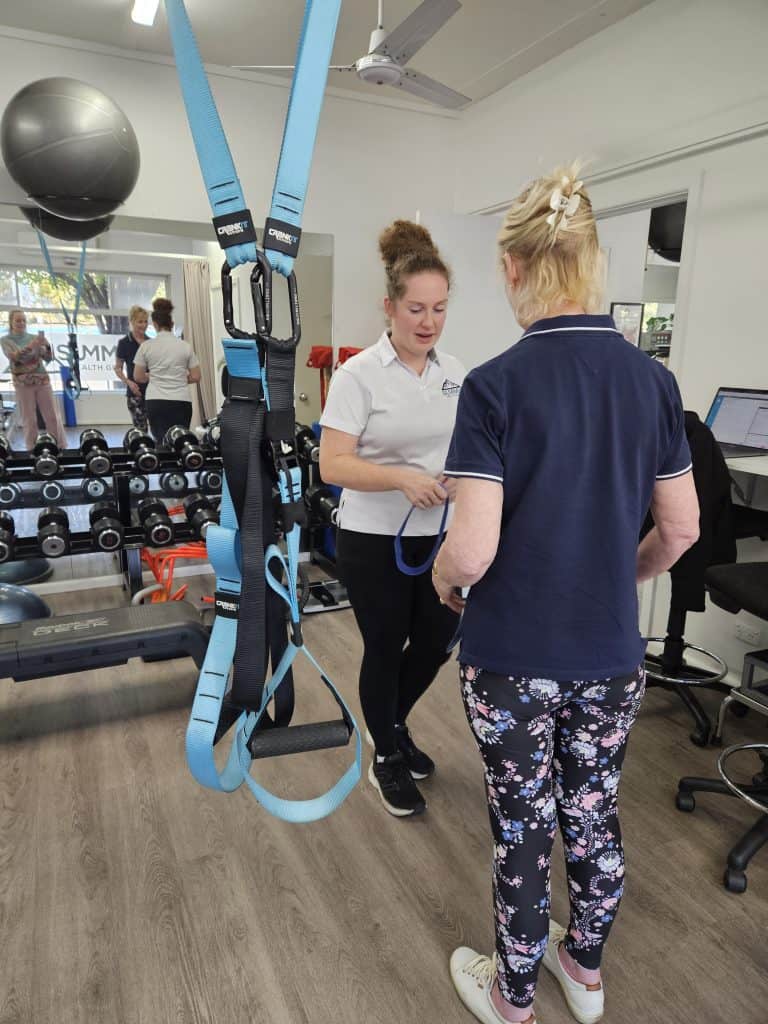
Knee replacement surgery is a major step toward reducing pain and restoring mobility for people living with advanced knee osteoarthritis or joint degeneration. But the success of the surgery depends heavily on high-quality rehabilitation. Without proper strengthening, mobility training and functional reconditioning, many patients continue to experience stiffness, limited movement and difficulty returning to daily activities.
Summit Health Group’s Knee Replacement Rehabilitation Program is designed to support you through every stage of recovery — from early post-operative mobility to strength rebuilding and return to full function. Our Accredited Exercise Physiologists provide evidence-based rehabilitation tailored to your unique needs, surgical history and lifestyle goals.
Whether you’ve just had knee replacement surgery, are preparing for an upcoming procedure, or are months into your recovery and struggling with progress, our personalised approach helps you regain strength, confidence and independence.
Why Rehabilitation Matters After Knee Replacement
Replacing the knee joint is only the beginning. Effective rehabilitation is essential because it:
- restores knee mobility
- reduces stiffness and scar-tissue restrictions
- rebuilds muscle strength around the joint
- supports correct walking patterns
- improves balance and coordination
- reduces swelling
- prevents compensatory movement patterns
- increases confidence and independence
- speeds up long-term recovery
- helps you return to meaningful daily activities
A structured rehabilitation program ensures you get the best possible outcome from your surgery.
Common Challenges After Knee Replacement Surgery
It’s normal to experience:
- knee stiffness
- pain during early movement
- swelling
- difficulty walking
- reduced balance
- trouble bending or straightening the knee
- weakness in the quadriceps and hamstrings
- difficulty getting up from chairs
- fatigue
- reduced confidence with movement
Without proper guidance, these challenges can linger longer than necessary — which is why targeted exercise rehabilitation is essential.
Who This Program Is For
Our Knee Replacement Rehabilitation Program is ideal for:
- individuals preparing for knee replacement
- people in the early post-operative phase
- patients who feel their progress has stalled
- individuals experiencing ongoing stiffness or weakness
- older adults wanting to regain confidence and mobility
- anyone wanting structured rehab under clinical supervision
- people wanting to return to work, sport or daily tasks
No matter your stage of recovery, our clinicians can support you.
What to Expect in Your Rehabilitation Program
Your program begins with a comprehensive assessment, including:
- knee range of motion (bending and straightening)
- swelling and stiffness evaluation
- quadriceps and hamstring strength
- hip and glute strength
- gait and walking analysis
- balance and stability testing
- functional tasks such as stairs and sit-to-stand
- pain triggers and movement limitations
- goals for daily activity, work or lifestyle
We use this information to design a personalised rehabilitation plan that progresses you safely and effectively.
Phases of Knee Replacement Rehabilitation
Although every patient progresses at their own pace, rehabilitation generally follows four key stages.
Phase 1: Early Mobility & Pain Management
This phase focuses on reducing swelling, restoring basic movement and beginning gentle activation of the leg muscles.
Key exercises may include:
- knee bending (flexion) exercises
- knee straightening (extension) exercises
- quadriceps activation drills
- ankle pumps
- gentle weight-bearing activities
- assisted walking with appropriate aids
- swelling management strategies
The goal is to help you move safely, reduce discomfort and begin restoring normal knee function.
Phase 2: Strength Rebuilding
Once initial mobility returns, strengthening becomes the priority. Strong muscles are essential for walking, balance and daily activity.
Exercises may include:
- sit-to-stand drills
- step-ups
- leg presses (as appropriate)
- hip and glute strengthening
- hamstring strengthening
- calf raises
- core stability training
This phase sets the foundation for long-term improvements.
Phase 3: Gait, Balance & Functional Training
After regaining strength, we focus on movement patterns and real-world function.
This includes:
- walking technique refinement
- improving stride length and foot placement
- balance exercises
- coordination and stability drills
- stair training
- practising daily movements (bending, lifting, stepping)
Improving gait mechanics ensures your knee joint works smoothly and efficiently.
Phase 4: Return to Activity & Long-Term Strengthening
The final phase focuses on building confidence, endurance and the ability to return to your favourite activities.
This may include:
- advanced strengthening
- low-impact aerobic conditioning
- tailored sport or hobby-specific exercises
- endurance training
- progression to gym-based exercises
- ongoing mobility and flexibility work
This phase helps you return to your desired lifestyle with strength and independence.
Types of Exercises Included in Knee Replacement Rehabilitation
Your personalised program may include:
Strength Training
To support the knee joint and restore function.
Mobility & Flexibility Work
To improve bending, straightening and overall movement.
Balance & Stability Exercises
To reduce fall risk and improve confidence.
Functional Movement Training
To support daily tasks like walking, stair climbing and standing.
Aerobic Conditioning
To improve cardiovascular fitness and endurance.
Gait Retraining
To correct walking patterns and reduce compensations.
Each exercise is progressed gradually based on your comfort, stage of recovery and goals.
Benefits of Knee Replacement Rehabilitation
Clients commonly experience:
Improved Knee Mobility
Better bending and straightening for smoother movement.
Reduced Pain & Swelling
Gentle movement and strengthening reduce discomfort.
Stronger Legs & Better Support
Strengthening the quadriceps, hamstrings and glutes protects the new joint.
Better Walking Ability
Improved gait leads to confidence and independence.
Improved Balance
Stability exercises help prevent falls and enhance movement control.
Faster Recovery
Structured rehabilitation accelerates healing and functional return.
Increased Quality of Life
You regain independence in daily activities and feel more capable.
Addressing Common Concerns
“I’m not progressing as quickly as others.”
Every recovery is different — we tailor your program to your unique timeline.
“My knee still feels stiff.”
Stiffness is common early on — mobility exercises help improve this over time.
“I’m worried I’ll hurt my new knee.”
Your clinician ensures every exercise is safe and appropriate for your stage of recovery.
“I don’t feel strong enough yet.”
Strength improves gradually — even small gains make a big difference.
“I’m anxious about walking without support.”
We help you transition safely from walking aids to independent walking.
Why Choose Summit Health Group
Accredited Exercise Physiologists
Experts in post-surgical rehabilitation and knee replacement recovery.
Tailored Programs
Every exercise is customised to your surgical details, comfort and progression.
Holistic Care
We combine strength, mobility, balance and functional training for complete recovery.
Safe & Supportive Environment
We help you regain confidence through clinical guidance and encouragement.
Flexible Delivery
In-clinic, home visit and telehealth options available.
Long-Term Progression
We help you return not only to movement — but to the activities you love.
Start Your Knee Replacement Rehabilitation Program
A successful knee replacement is not just about the surgery — it’s about the quality of rehabilitation that follows. Whether you are just beginning your recovery or need support to progress further, Summit Health Group is here to help you regain strength, mobility and confidence.
Contact us today to begin your personalised Knee Replacement Rehabilitation Program.