
Hip Replacement Rehabilitation
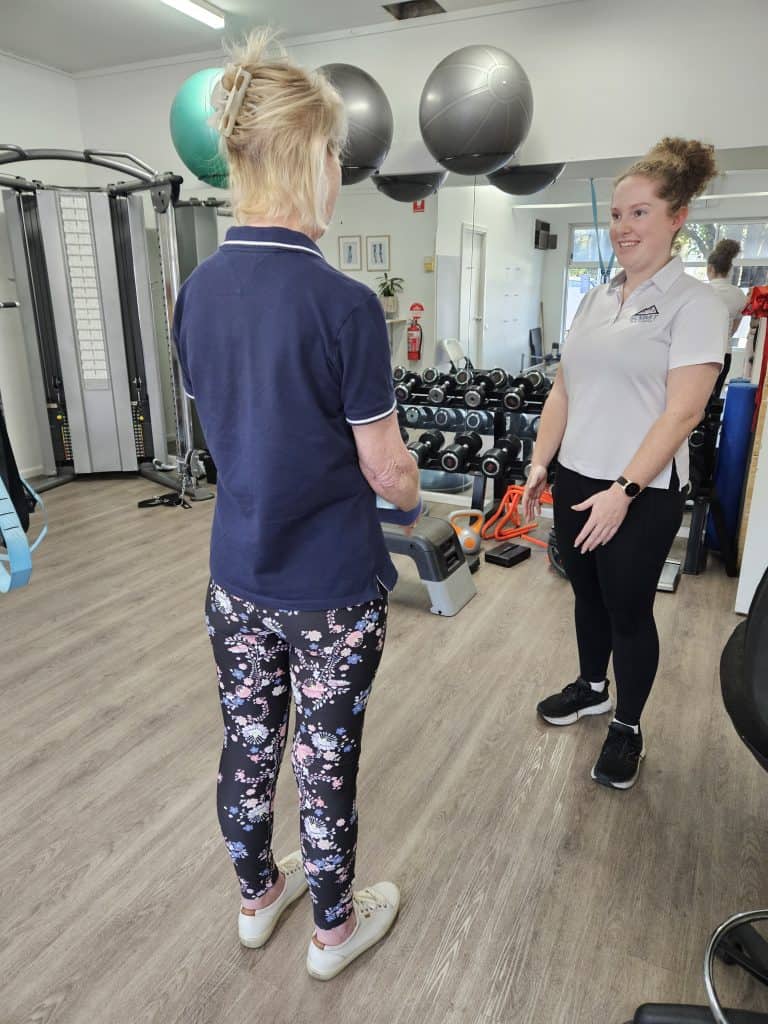
Hip replacement surgery is one of the most effective procedures for reducing pain and improving mobility in individuals with advanced hip osteoarthritis, joint degeneration or long-standing hip pain. While the surgery replaces the damaged joint, the real transformation happens through high-quality rehabilitation. Without proper strengthening, mobility training and functional reconditioning, many people continue to experience stiffness, imbalance, and difficulty returning to everyday activities.
Summit Health Group’s Hip Replacement Rehabilitation Program provides personalised, evidence-based support throughout every phase of your recovery. Guided by Accredited Exercise Physiologists, the program focuses on improving hip strength, restoring movement patterns, enhancing balance and helping you return to activities safely and confidently.
Whether you’re preparing for hip replacement surgery, beginning early post-operative rehab, or further along in recovery but feeling limited, we help you achieve optimal outcomes with structured and personalised care.
Why Rehabilitation Is Essential After Hip Replacement
Even though the damaged joint has been replaced, recovery is far from automatic. Rehabilitation is crucial because it helps:
- restore hip mobility and flexibility
- reduce stiffness and swelling
- rebuild hip and leg strength
- improve balance and postural control
- retrain walking patterns
- prevent limping or compensatory movements
- reduce pain during movement
- support safe return to daily activities
- improve long-term function and independence
The most successful outcomes after hip replacement come from consistent, guided rehabilitation.
Common Challenges After Hip Replacement Surgery
It is normal to experience:
- hip stiffness
- reduced mobility
- difficulty walking
- weakness in the operated leg
- trouble standing up or climbing stairs
- compensatory movement patterns
- reduced balance
- ongoing swelling
- limited confidence with movement
Without structured rehabilitation, these challenges can persist longer than necessary, delaying your full recovery.
Who Is This Program For?
Our Hip Replacement Rehabilitation Program is ideal for:
- individuals preparing for hip replacement surgery
- people in the early post-operative phase (weeks 1–6)
- people months after surgery experiencing slow progress
- those with stiffness, weakness or difficulty walking
- older adults wanting to regain independence and mobility
- individuals with chronic hip pain after surgery
- anyone wanting clinically guided exercise rehabilitation
It’s never too early — or too late — to begin structured hip rehab.
What to Expect in Your Rehabilitation Assessment
Your program begins with a detailed assessment where we evaluate:
- hip range of motion (flexion, extension, rotation)
- swelling and stiffness
- strength of the glutes, quadriceps, hamstrings and hip stabilisers
- walking pattern and gait mechanics
- balance and stability
- functional ability (sit-to-stand, stair climbing, etc.)
- pain levels and movement triggers
- lifestyle goals and activity needs
This information guides the creation of your personalised rehabilitation plan.
Phases of Hip Replacement Rehabilitation
Although recovery times vary, rehabilitation typically progresses through four key phases.
Phase 1: Early Mobility & Activation
During the first few weeks after surgery, the focus is on gentle, safe movement and managing symptoms.
Exercises may include:
- gentle hip range-of-motion
- early weight-bearing (as cleared by the surgeon)
- glute activation exercises
- quadriceps and hamstring activation
- assisted walking using appropriate supports
- swelling management strategies
- basic balance drills
This phase helps restore basic mobility and confidence.
Phase 2: Strength Rebuilding
As healing progresses, we begin strengthening the muscles that support the hip and pelvis.
Exercises may include:
- sit-to-stand drills
- step-ups
- hip abduction and extension
- bridges and glute-specific strengthening
- core stability exercises
- calf raises
- progressive resistance training
Rebuilding strength is essential for proper walking and joint stability.
Phase 3: Gait Retraining & Functional Training
Once strength begins to improve, the focus shifts to movement efficiency.
This phase includes:
- gait retraining to correct limping or compensations
- stride length and posture correction
- stair navigation training
- balance and stability exercises
- functional movement practice
Functional training is essential for returning to everyday life safely and confidently.
Phase 4: Return to Activity, Work or Sport
The final phase of rehabilitation focuses on higher-level strength and endurance.
This may include:
- advanced lower-body strengthening
- endurance and aerobic conditioning
- tailored exercises for work or hobbies
- mobility and flexibility maintenance
- progression to gym or sport-based activities
This stage supports your goals, whether that’s gardening, long walks, recreational sport or simply moving without pain.
Key Components Included in Hip Replacement Rehabilitation
Your program may include the following components:
Strength Training
Strengthening muscles around the hip supports stability, walking mechanics and long-term joint health.
Mobility Work
Restoring hip range-of-motion helps reduce stiffness and improves daily function.
Balance & Stability Training
Improving balance helps prevent falls and supports confident movement.
Gait Retraining
Correcting stride patterns prevents compensations that could cause future pain.
Functional Strength Training
Exercises that mimic everyday tasks such as bending, lifting, turning and stepping.
Pain & Swelling Management
Strategies to help you move comfortably and safely during recovery.
Each exercise is tailored to your needs, stage of healing and goals.
Benefits of Hip Replacement Rehabilitation
Clients typically experience:
Improved Hip Mobility
Better bending, rotating and stepping without stiffness.
Reduced Pain
Strength and mobility work help reduce discomfort during movement.
Increased Strength
Stronger muscles support the hip joint and improve stability.
Better Walking Ability
Improved gait mechanics lead to smooth, confident walking.
Improved Balance
Stability training reduces fall risk and increases control.
Faster Recovery
Structured rehabilitation speeds up your return to activity.
Long-Term Functional Improvement
Rehabilitation maximises the benefits of your hip replacement.
Addressing Common Concerns
“I’m worried I’ll damage my new hip.”
Rehab exercises are designed to be safe and supportive — not harmful.
“My hip still feels stiff.”
Stiffness is normal early on; mobility improves with structured exercise.
“I’m afraid to put weight on it.”
Your EP will guide you through safe, progressive weight-bearing.
“I’m limping — is that normal?”
Some limping is common, but gait retraining helps correct it.
“I’m months after surgery and still weak.”
It’s not too late — many clients improve significantly even long after surgery.
Why Choose Summit Health Group
Experienced Exercise Physiologists
Experts in hip replacement rehab and musculoskeletal recovery.
Personalised Programs
Your exercises are customised to your surgical history, comfort and goals.
Holistic Rehabilitation
Strength, mobility, balance, posture and functional training combined.
Supportive Clinical Environment
Safe, private, and tailored to your comfort level.
Flexible Delivery
Available in-clinic, at-home or via telehealth.
Long-Term Guidance
We support you through complete recovery and beyond.
Start Your Hip Replacement Rehabilitation Program
A successful hip replacement depends on a high-quality rehabilitation program. If you’re recovering from surgery or preparing for one, structured, personalised rehab can help you regain mobility, rebuild strength, restore confidence and return to the life you love.
Contact Summit Health Group today to begin your tailored Hip Replacement Rehabilitation Program.