
Bone density training in Melbourne
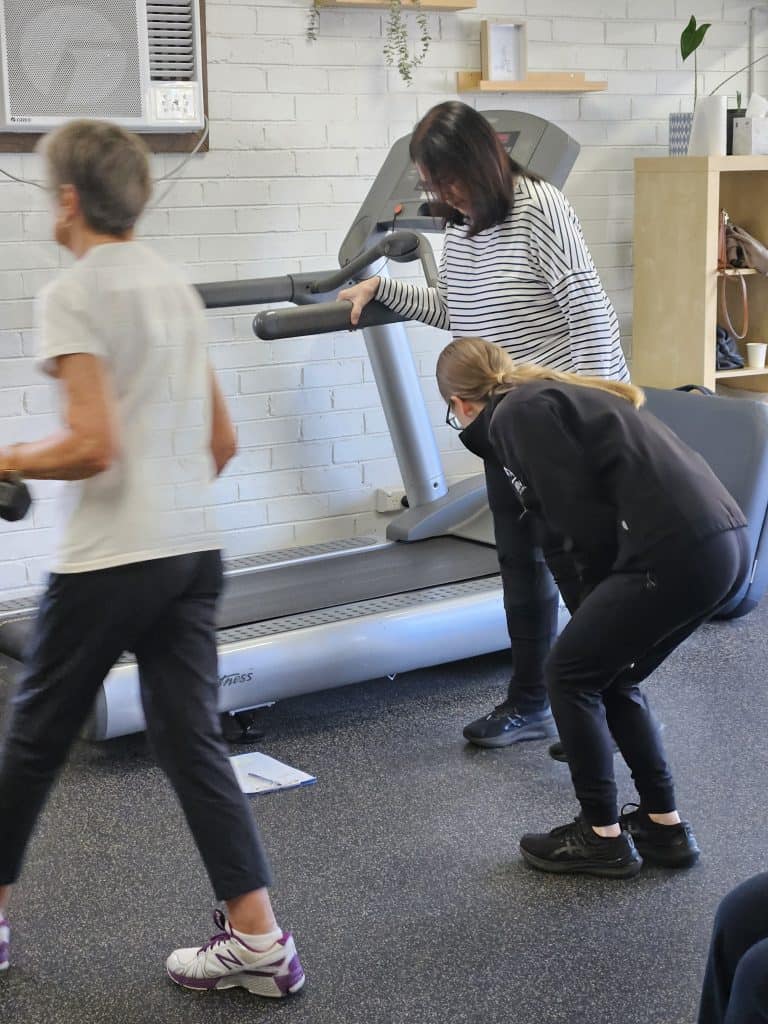
Bone density naturally declines with age — but it isn’t fixed. With the right kind of exercise you can slow that decline, and in many cases build measurable bone strength, at almost any stage of life. Summit Health Group’s bone density training program in Melbourne is built to do exactly that: load your skeleton safely and progressively so your bones grow stronger.
This page is for people who want to protect or improve their bone density proactively — whether a DEXA scan has shown early bone loss, you’re postmenopausal or have a family history of osteoporosis, or you simply want to stay strong and fracture-free as you age. If you’ve already been diagnosed with osteoporosis or osteopenia, our exercise for osteoporosis in Melbourne page is the better place to start.
What Is Bone Density Strength Training?
Bone Density Strength Training involves structured resistance and weight-bearing exercises designed to place safe, healthy stress on the bones, encouraging them to grow stronger. Unlike general fitness training, this type of exercise requires specific loading patterns and movement progressions that are proven to stimulate bone-building cells (osteoblasts).
Our Exercise Physiologists use clinically validated techniques that improve:
- bone mineral density
- muscular strength
- balance and coordination
- posture and alignment
- joint stability
- confidence in daily movement
Programs are customised based on your DEXA scan results (if available), mobility, medical history, and overall physical capacity.
Who Is This Program For?
Bone Density Strength Training is suitable for individuals who:
- have osteoporosis
- have osteopenia or low bone density
- want to reduce fracture risk
- experience age-related bone loss
- want to stay strong and independent
- prefer structured, supervised exercise
- want to prevent further bone deterioration
- are preparing for or recovering from fractures
- want to improve posture and movement confidence
You do not need past exercise experience—programs are beginner-friendly and tailored to your ability.
Can you actually increase bone density with exercise?
Yes — within limits, and only with the right kind of loading. Bone is living tissue that adapts to the demands placed on it: when you load the skeleton through resistance and weight-bearing movement, bone-building cells respond by laying down new bone, raising density over time. It’s one of the most effective non-medication strategies for bone health.
But not all exercise builds bone. Walking on flat ground, swimming and cycling have real health benefits, yet do little for bone density — they don’t load bone hard enough to trigger that adaptation. To actually build density, exercise has to follow a few specific principles.
What makes exercise increase bone density
- Progressive load. Bone adapts to stress that challenges it. Resistance has to be meaningful and increase over time — light, unchanging weights won’t drive new bone growth.
- Weight-bearing and safe impact. Bone responds to ground-reaction and impact forces, which strength work, step-ups and controlled impact provide and non-weight-bearing exercise doesn’t.
- Specificity. Bone strengthens where it’s loaded, so a program has to target the sites most at risk of fracture — hip, spine and wrist — directly.
Getting these right safely is the whole job — with low bone density it’s the line between loading that builds bone and loading that raises fracture risk. That’s the role of an accredited exercise physiologist.
What to Expect in Your Bone Density Strength Training Program
Your program begins with a comprehensive assessment where we evaluate:
- bone density history (DEXA scan if provided)
- posture and alignment
- strength and mobility
- balance and stability
- walking pattern (gait)
- chronic conditions or past injuries
- confidence with movement
- daily activity levels
This helps us design a safe, effective program suited to your needs.
What bone density training looks like at Summit Health Group
Your program begins with an assessment — your DEXA results if you have them, plus your strength, balance, posture and movement history — so loading is matched to your bones, not a generic template. From there your exercise physiologist progresses you through resistance training targeted at the hip, spine and wrist, weight-bearing and (where safe) impact loading, and balance and posture work to protect against the falls that cause fractures.
Sessions are supervised at our Malvern or Blackburn clinic, with home visits and telehealth available across surrounding Melbourne suburbs. Want to know which specific movements build bone? Our guide to exercises that increase bone density walks through them — but the safest results come from a program loaded and progressed for your body.
Safety First: Our Approach to Reducing Risk
We ensure all exercises are safe for your condition by:
- avoiding high-risk forward bending
- avoiding sudden twisting movements
- introducing load and impact gradually
- using proper technique and alignment
- monitoring symptoms throughout the session
Everything we prescribe is tailored to your bone density, mobility and health profile.
Common Questions About Bone Strength Training
“Is strength training safe for osteoporosis?”
Yes — when supervised by a qualified Exercise Physiologist.
“Can I improve my bone density at my age?”
Absolutely. People in their 50s, 60s, 70s and beyond can safely increase bone strength.
“Do I need weights at home?”
No — we can use bodyweight, resistance bands or household items.
“Will I feel sore?”
Some muscle soreness is normal, but pain is never part of the program.
“Can I do impact exercises if I have osteoporosis?”
Yes — if appropriate. Impact is introduced gradually and safely.
Start Your Bone Density Strength Training Program
If you want to improve bone strength, reduce fracture risk and move with confidence, our Bone Density Strength Training program is the ideal place to start. We provide the expert support, personalised exercise and ongoing guidance you need to strengthen your bones and enhance your wellbeing.
Contact Summit Health Group today to book your first session.
FAQ
- Can I increase bone density at my age? Yes. People in their 50s, 60s, 70s and beyond can safely build bone strength with appropriately loaded exercise.
- Which exercises increase bone density the most? Progressive resistance training and weight-bearing or impact movements, targeted at the hip, spine and wrist. Our guide to bone density exercises covers the specifics.
- Do I need weights at home? No — programs can use bodyweight, resistance bands or household items, though supervised loading at the clinic drives the strongest gains.
- How long before my bone density improves? Strength and balance improve within weeks; measurable bone density change develops over months of consistent, progressive training.
- Is impact exercise safe if my bone density is low? It can be — introduced gradually and only after your fracture risk is assessed. That’s exactly why supervision matters.