
Hip Osteoarthritis Exercises
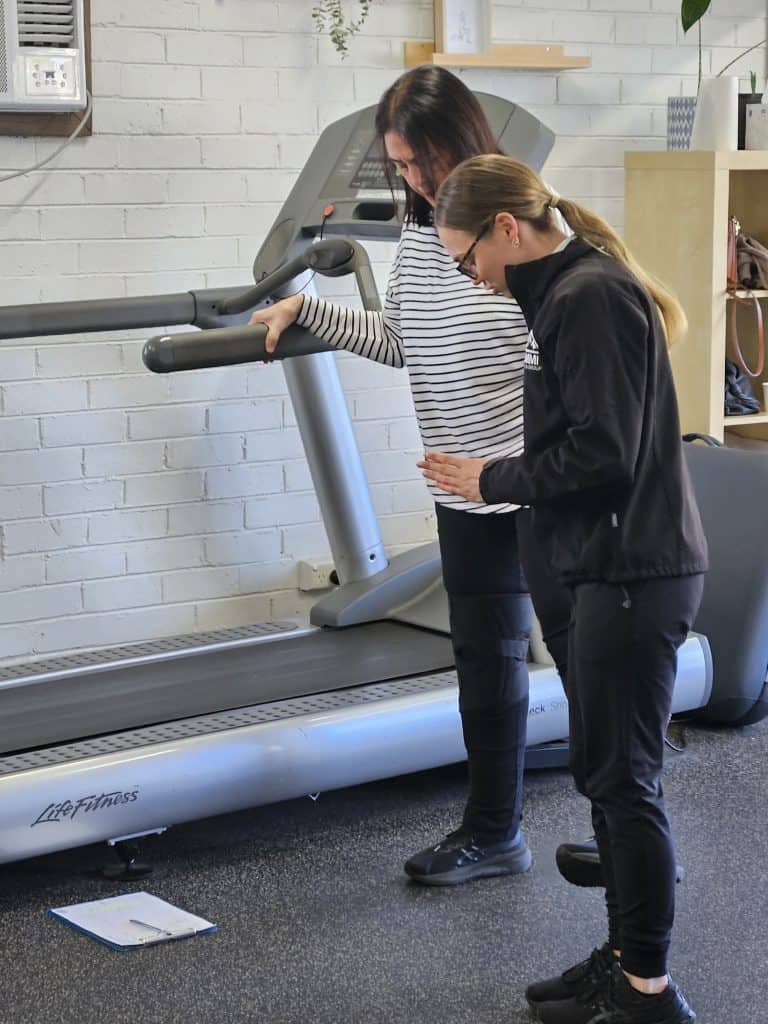
Hip osteoarthritis is a common condition that causes stiffness, pain and reduced mobility in one of the body’s most important weight-bearing joints. While many people worry that exercise will worsen their hip pain, research consistently shows the opposite. The right exercises help reduce symptoms, improve strength, and restore comfortable movement.
Summit Health Group’s Hip Osteoarthritis Exercise Program is designed to help you build strength in the muscles surrounding the hip joint, improve mobility and regain confidence in your daily activities. Our Accredited Exercise Physiologists guide you through safe, targeted exercises that support long-term hip health and reduce the impact of arthritis on your life.
Whether you’re newly diagnosed with hip OA, managing long-standing symptoms, or preparing for or recovering from hip surgery, a personalised exercise program can make a significant difference in your comfort, mobility and quality of life.
Understanding Hip Osteoarthritis
Hip osteoarthritis occurs when the cartilage that cushions the hip joint gradually wears down. This leads to:
- hip pain or aching
- stiffness, especially in the morning
- difficulty walking or climbing stairs
- reduced range of motion
- weakness in surrounding muscles
- trouble putting on shoes or bending
- discomfort during standing, twisting or turning
Although hip osteoarthritis is a degenerative condition, exercise helps the joint function more smoothly and reduces strain on affected areas.
The muscles around your hips — especially the glutes, hip flexors, abductors and deep stabilisers — play a crucial role in absorbing load and supporting joint alignment. When these muscles are strengthened through targeted exercise, the hip moves more efficiently and pain often decreases significantly.
Why Exercise Is Essential for Hip Osteoarthritis
Exercise is the most effective non-surgical treatment for hip osteoarthritis. Clinical guidelines recommend strengthening and mobility exercises as the first-line approach for managing hip OA symptoms.
Benefits include:
- reduced hip pain
- increased stability and control
- improved walking ability
- greater joint mobility
- stronger glutes and hip stabilisers
- improved balance and reduced fall risk
- better posture and gait mechanics
- increased confidence with movement
- potential delay in hip replacement surgery
Exercise helps your hip work with less strain, less pain and better support.
Who This Program Is For
Our Hip Osteoarthritis Exercise Program is ideal for individuals who:
- have been diagnosed with hip osteoarthritis
- experience hip pain during walking, bending or standing
- feel stiffness in the morning or after sitting
- have weakness in the hips or glutes
- struggle with daily activities like stairs or getting up
- want to delay or avoid surgery
- want to strengthen their legs safely
- experience flare-ups triggered by certain movements
- want personalised, supervised exercise
- feel unsure what exercises are safe for their hip
You do not need to be active or experienced — we guide you from the ground up.
What to Expect in Your Hip OA Exercise Program
Your program begins with a full assessment where we evaluate:
- hip strength and power
- walking pattern (gait analysis)
- single-leg balance
- hip mobility and range of motion
- pain triggers
- functional capacity (sit-to-stand, stair test, etc.)
- posture and hip alignment
- daily activity limitations
This ensures we design a program that meets your specific needs.
Types of Exercises Included in Hip OA Programs
Your personalised exercise plan may include the following clinically recommended components:
Strength Training for Hip Muscles
Strengthening the hip is crucial for reducing pain and improving function. Exercises may include:
- glute bridges
- hip abduction (side leg lifts)
- clamshells
- standing hip extensions
- mini squats
- step-ups and step-downs
- resisted hip strengthening with bands
- hamstring and quadriceps strengthening
These exercises target the deep stabilising muscles surrounding the hip joint.
Functional Strength Training
We include movements that support everyday activities, such as:
- sit-to-stand variations
- safe bending and lifting drills
- stair training
- weight-shifting exercises
- controlled turning and stepping movements
This helps you move more confidently in your daily life.
Mobility & Flexibility Work
Mobility exercises help reduce stiffness and improve joint function. They may include:
- hip flexor stretches
- gentle rotation and extension mobility
- glute and piriformis stretching
- hamstring and calf mobility work
Improved mobility often leads to smoother, more comfortable walking.
Balance & Stability Training
Hip osteoarthritis can affect stability, making balance training an essential part of the program. Exercises include:
- single-leg balance progressions
- step and reach drills
- controlled weight transfer
- gait retraining
- core stability exercises
Better balance reduces the risk of falls and supports functional movement.
Low-Impact Conditioning
We use low-impact cardiovascular exercise to reduce stiffness and improve endurance without overloading the hip joint.
This may include:
- cycling
- walking
- cross-trainer
- water-based exercise (if suitable)
These activities help lubricate the joint and improve overall fitness.
Benefits of Hip Osteoarthritis Exercises
With consistent participation, clients often experience:
Reduced Hip Pain
Strengthening reduces load on the joint and improves smooth movement.
Improved Strength
Stronger hip muscles support the joint and reduce discomfort.
Better Mobility
Walking, bending, turning and daily tasks become easier.
Improved Balance
Better stability protects you from falls and reduces pain during movement.
Enhanced Quality of Life
You regain confidence in everyday activities, from walking to exercise.
Reduced Stiffness
Mobility work helps you move more freely throughout the day.
Possible Delay in Surgery
Strengthening often reduces symptoms enough to avoid or delay hip replacement.
Addressing Common Misconceptions
“I shouldn’t move because of the pain.”
Movement is essential — avoiding exercise often worsens symptoms.
“My hip is bone-on-bone. Exercise won’t help.”
Even with advanced OA, strengthening improves function and reduces pain.
“I’m too old to strengthen my hips.”
You can build strength at any age — it’s never too late.
“Exercise will wear out my joint faster.”
The right type of exercise protects your hip, not harms it.
Why Choose Summit Health Group for Hip OA Management
Expert Clinicians
Our Accredited Exercise Physiologists specialise in hip osteoarthritis and evidence-based joint rehabilitation.
Personalised Plans
Every exercise is tailored to your pain levels, movement patterns and goals.
Supportive Environment
No judgement — just professional guidance and encouragement.
Holistic Approach
We support not only your hip, but your posture, strength, balance and overall wellbeing.
Flexible Delivery
Choose in-clinic, home visits or telehealth sessions.
Long-Term Support
We progress your program safely and steadily for lasting improvements.
Start Your Hip Osteoarthritis Exercise Program
Hip pain doesn’t have to limit your movement or quality of life. A personalised Hip Osteoarthritis Exercise Program can help you regain strength, improve mobility and move with greater confidence.
Contact Summit Health Group today to book your initial session and begin your tailored hip rehabilitation plan.