
Balance Assessment for Older Adults
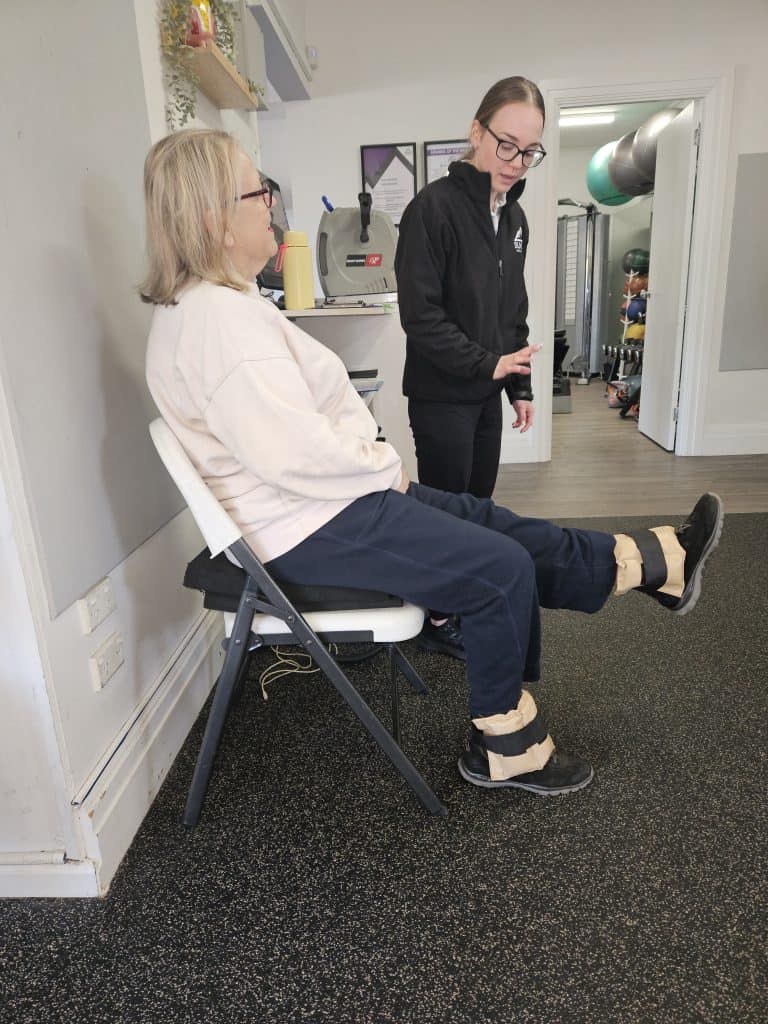
Maintaining good balance is essential for independence, safety and confidence — especially as we age. Many older adults begin to notice changes in stability, coordination or mobility that affect their daily activities. These changes can lead to hesitation with walking, difficulty navigating uneven surfaces, fear of falling, or even near-fall incidents. A professional Balance Assessment helps identify the underlying factors that influence balance, allowing for targeted intervention and improved long-term mobility.
At Summit Health Group, our Balance Assessment for Older Adults is a comprehensive evaluation designed to understand how your body moves, responds and stabilises itself. Using evidence-based tests, functional assessments and clear movement analysis, our Accredited Exercise Physiologists determine the specific factors affecting your balance and provide a personalised plan to help you improve stability, reduce fall risk and regain confidence.
Whether you’ve experienced a fall, feel unsteady on your feet, or simply want to maintain independence as you age, a balance assessment is an important first step toward safer and more confident movement.
Why Balance Changes With Age
Balance naturally declines over time due to a combination of factors, including:
- decreased muscle strength
- reduced reflex speed
- changes in vision or hearing
- reduced joint mobility
- slower reaction times
- reduced sensation in the feet (neuropathy)
- chronic conditions such as arthritis
- long periods of inactivity
- medications that affect stability
- pain that alters walking or posture
These changes don’t happen overnight — they develop gradually. But as balance declines, even simple tasks like stepping off a curb, turning quickly, or walking on grass can feel more challenging.
Fortunately, balance can improve significantly with the right assessment and targeted exercise.
Why a Balance Assessment Is Essential
Falls are one of the leading causes of injury in older adults, but many falls are preventable with early intervention. A balance assessment provides clarity about:
- how your body is currently functioning
- what is contributing to instability
- which muscles or movement patterns need strengthening
- whether you are at mild, moderate or high fall risk
- which exercises will improve your balance safely
Understanding your balance profile allows us to create a plan that supports your mobility and independence.
Who Should Have a Balance Assessment?
This assessment is ideal for adults who:
- feel unsteady or unstable
- have experienced falls or near-falls
- have difficulty walking on uneven surfaces
- fear falling or losing balance
- feel weak in their legs or hips
- struggle with getting up from a chair
- have balance-related conditions
- are recovering from injury or surgery
- want to maintain independence as they age
- notice slower reaction times or coordination changes
- have chronic conditions affecting mobility
Even if you haven’t experienced a fall yet, a balance assessment helps identify early signs of risk.
What Happens During a Balance Assessment?
Your assessment includes a detailed evaluation of physical, sensory and functional factors that contribute to your balance.
Medical and Lifestyle Review
We begin by discussing:
- health history
- medications
- fall history
- mobility and activity levels
- vision concerns
- current symptoms or limitations
- confidence with movement
This information guides how we tailor your assessment and exercise plan.
Strength Assessment
We assess key muscle groups essential for balance, including:
- quadriceps
- hamstrings
- glutes
- calf muscles
- core and postural muscles
Weakness in these areas significantly increases fall risk.
Mobility and Flexibility Testing
Joint stiffness in the hips, knees, ankles or spine affects how well you can control your body.
Mobility tests help identify restricted movement patterns that impact stability.
Gait and Walking Assessment
We observe:
- walking speed
- stride length
- foot placement
- posture
- weight shifting
- turning and stopping ability
Gait patterns provide important insight into your fall risk.
Balance and Stability Testing
We use evidence-based assessments such as:
- single-leg balance test
- tandem stance
- controlled weight shifting
- timed up-and-go (TUG)
- sit-to-stand evaluation
- step tests
- functional reach test
These tests help determine your balance category and guide your exercise recommendations.
Coordination and Reaction Time Assessment
We may test how quickly and smoothly your body responds to changes in position, surfaces or direction.
Faster reflexes and better coordination improve stability.
Environmental Considerations
If needed, we may also discuss:
- home safety
- footwear choices
- walking aids
- fall-prevention strategies
This helps reduce risk beyond the clinic environment.
What You Learn From Your Balance Assessment
After your assessment, you’ll receive:
- a clear explanation of your results
- identification of your balance strengths and weaknesses
- your fall risk category
- a personalised exercise plan
- guidance on how to move safely
- strategies to improve confidence
- detailed next steps for rehabilitation or training
You’ll walk away with a better understanding of your body and a roadmap for improvement.
How We Improve Balance After the Assessment
The Balance Assessment is just the beginning. Once we understand your needs, we design a personalised exercise program that may include:
Strength Training
Stronger muscles provide better joint support and reduce fall risk. Focus areas may include:
- glutes and hips
- quadriceps and hamstrings
- core muscles
- ankle and lower leg muscles
Strength training is one of the most effective ways to improve balance.
Balance and Stability Exercises
These may include:
- single-leg balance progression
- controlled stepping drills
- wobble board or foam stability (if appropriate)
- reaching and weight-shifting exercises
- multi-directional stepping
- controlled turn practice
These exercises train your body to stay stable during real-life tasks.
Coordination and Reaction Training
We teach your body to respond quickly and safely to sudden changes, such as:
- tripping
- turning quickly
- walking on uneven surfaces
- avoiding obstacles
Improved reaction time dramatically reduces fall risk.
Gait Training
We improve:
- walking speed
- stride length
- posture
- foot control
- turning and pivoting
- transitions from sitting to standing
Small changes in gait can lead to major improvements in stability.
Functional Training
We practice movements that mimic daily activities, such as:
- climbing stairs
- stepping over objects
- lifting safely
- bending and reaching
- rising from chairs or beds
This improves strength and confidence in real-life situations.
Benefits of a Balance Assessment
Clients typically experience:
Improved Stability
Stronger and more coordinated movement reduces the risk of falling.
Greater Confidence
Feeling more secure improves independence and reduces fear.
Better Walking Ability
Improved gait helps you move more smoothly and safely.
Reduced Injury Risk
Early intervention prevents falls before they happen.
Better Strength and Mobility
A strong and flexible body supports safer movement.
Enhanced Quality of Life
You stay active, independent and capable in daily activities.
Common Misconceptions About Balance
“Poor balance is just part of ageing.”
Balance can improve at any age with targeted exercise.
“I’m too old to get stronger.”
Strength gains are possible in your 60s, 70s, 80s and beyond.
“If I wobble, it means I’m going to fall.”
Wobbling is part of training — improvement comes from practicing safely.
“Using a walking aid means I’ve failed.”
Walking aids can increase safety and confidence when needed.
Why Choose Summit Health Group for Balance Assessments
Experienced Exercise Physiologists
We specialise in falls prevention and balance rehabilitation.
Comprehensive Testing
We assess strength, movement, stability, gait and functional capacity.
Personalised Programs
Your exercise plan is created specifically for your mobility levels and goals.
Supportive Environment
We help you feel safe, confident and encouraged during every session.
Flexible Delivery
Available in-clinic, at home or via telehealth (where appropriate).
Long-Term Support
We track your progress and adjust your program as you improve.
Book Your Balance Assessment for Older Adults
If you have noticed changes in your stability or simply want to reduce your risk of falling, a Balance Assessment is the first step toward improving confidence, mobility and independence.
Contact Summit Health Group today to book your assessment and start your personalised balance improvement plan.