
Psychosocial Exercise Physiology
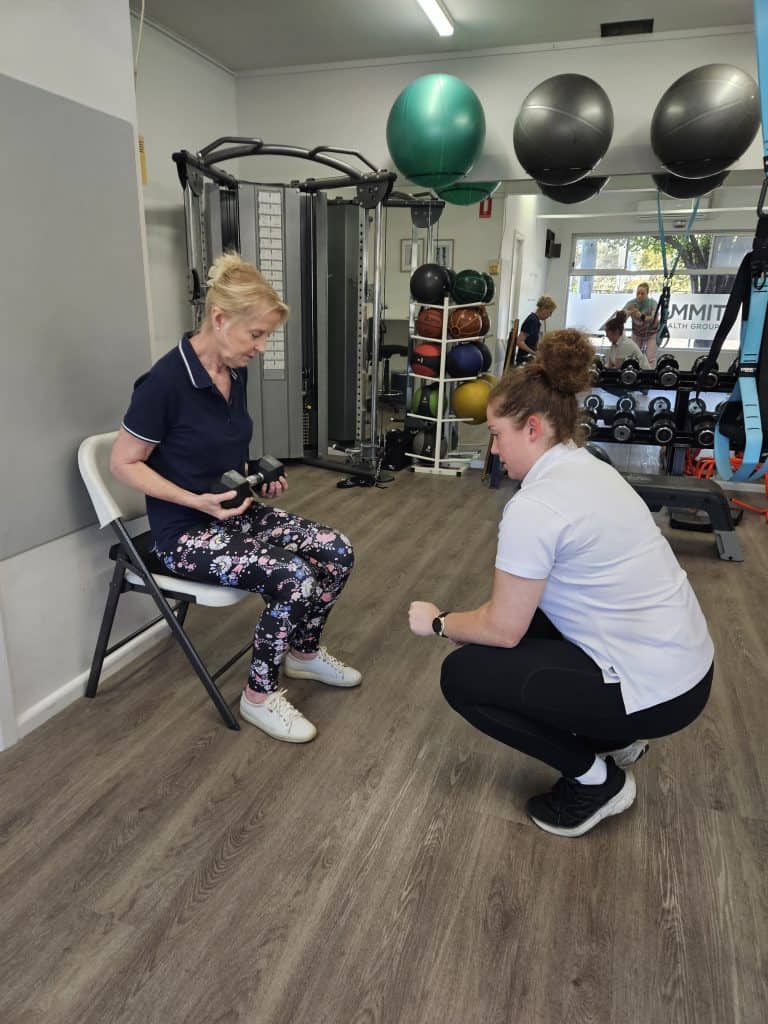
Mental and physical health are deeply connected — how you move affects how you feel, and how you feel affects your ability to move. Many people living with stress, anxiety, depression, trauma, chronic illness or psychosocial barriers find it difficult to start or maintain an exercise routine. Yet exercise is one of the most effective tools for improving mood, reducing stress, building confidence and enhancing overall wellbeing.
Summit Health Group’s Psychosocial Exercise Physiology Program is designed for individuals who experience psychological, social or emotional challenges that impact their ability to engage in regular physical activity. Our Accredited Exercise Physiologists provide supportive, personalised care that helps you build a healthier relationship with movement, develop confidence and experience the mental health benefits of exercise in a safe and structured way.
This program is ideal for individuals who want to improve both physical health and emotional wellbeing through guided, therapeutic exercise.
Understanding Psychosocial Barriers to Exercise
Psychosocial barriers refer to the psychological and social factors that influence behaviour. They may include:
- anxiety or fear about exercise
- lack of confidence or low self-esteem
- depression or low motivation
- chronic stress or emotional exhaustion
- social isolation
- trauma history
- negative past experiences with exercise
- chronic pain or fatigue
- lack of routine or structure
- difficulty engaging in activities outside the home
- mental health conditions such as PTSD
- overwhelm from starting new activities
These factors can make it difficult to begin or maintain exercise — even when someone knows it would help.
Our goal is to meet you where you are, build trust, and support you through gradual, meaningful changes.
Why Exercise Helps Improve Psychosocial Wellbeing
Exercise is widely recognised for its benefits to mental health. Regular physical activity can:
Reduce Stress
Exercise helps regulate the body’s stress response and lowers cortisol levels.
Improve Mood
Movement stimulates the release of endorphins, serotonin and dopamine — natural mood enhancers.
Reduce Anxiety Symptoms
Rhythmic, controlled movement and structured exercise help calm the nervous system.
Improve Sleep
Regular exercise supports better sleep quality and routine.
Boost Confidence
Small, achievable progressions help build a sense of capability and self-worth.
Improve Social Connection
Exercise provides opportunities for interaction and support.
Improve Cognitive Function
Movement improves focus, memory and mental clarity.
Support Behaviour Change
Exercise helps build routines, structure and positive daily habits.
Exercise is not a replacement for psychological therapy — but it is an effective complementary tool that enhances overall wellbeing.
Who This Program Is For
Our Psychosocial Exercise Physiology Program is ideal for individuals who:
- feel anxious about exercise or leaving home
- struggle with motivation or consistency
- live with depression, anxiety or chronic stress
- have psychosocial barriers to movement
- experience loneliness or social withdrawal
- feel uncomfortable exercising in public
- have trauma backgrounds that impact movement confidence
- need gentle, supportive guidance
- experience chronic pain that affects mood
- want to build routine and structure
- want to improve overall wellbeing through movement
We work with adults of all ages, ability levels and mental health backgrounds.
What to Expect in Your Initial Assessment
Your initial consultation is conducted with care, respect and ongoing communication. During your assessment, we explore:
- your current physical and emotional wellbeing
- psychosocial challenges and barriers
- comfort levels around movement and exercise
- past experiences with physical activity
- mental health history (as relevant and comfortable to share)
- pain, fatigue and physical symptoms
- daily routine and sleep patterns
- social and lifestyle factors
- goals related to health, wellbeing or confidence
The focus is on understanding you as a whole person — not just your physical fitness.
What’s Included in a Psychosocial Exercise Physiology Program
Your program is completely personalised and may include a combination of movement-based, behavioural and supportive strategies.
Gentle, Graded Exercise Exposure
Many individuals benefit from starting slowly and building tolerance over time. This may include:
- gentle strength exercises
- low-impact aerobic exercise
- stretching and mobility work
- walking programs
- guided movement sessions
- breath-focused exercise
We progress your program at a pace that feels safe and comfortable.
Strength Training
Strength training builds confidence, resilience and physical competence. It also helps:
- improve posture
- reduce chronic pain
- increase functional ability
- boost energy levels
- support long-term behaviour change
Exercises are tailored to your comfort, mood and energy levels on the day.
Mind-Body Movement Practices
Mind-body exercise can help regulate stress and improve emotional control. This may include:
- gentle yoga-inspired movement
- controlled breathing techniques
- grounding exercises
- slow, focused movement patterns
- posture and balance training
These practices help reduce anxiety and improve self-awareness.
Cardiovascular Exercise
Low-impact aerobic exercise helps improve mood, energy and stamina. Examples include:
- brisk or gentle walking
- cycling
- machine-based aerobic exercise
- interval-style training (when appropriate)
We tailor intensity to prevent overwhelm or discomfort.
Behavioural Support & Routine Building
Many people with psychosocial challenges struggle with structure or consistency. We help by:
- setting achievable goals
- creating realistic weekly movement plans
- establishing routines
- developing self-management strategies
- improving confidence and autonomy
The goal is long-term, sustainable engagement — not short-term fixes.
Education & Empowerment
We provide education to help you understand:
- how exercise influences mood and stress
- how to recognise and manage flare-ups
- how to adjust exercise based on emotional state
- how movement supports long-term resilience
- how to overcome barriers with gradual exposure
Knowledge helps empower you to take control of your health.
Benefits of Psychosocial Exercise Physiology
Clients typically experience:
Improved Mood & Emotional Wellbeing
Exercise helps regulate neurotransmitters associated with anxiety and depression.
Reduced Stress
Movement supports relaxation and improves stress tolerance.
Better Confidence
Small wins build self-belief and motivation.
Greater Physical Strength & Function
Improved fitness supports independence and resilience.
Better Sleep & Daily Energy
Regular exercise improves sleep quality and boosts daytime energy.
Improved Coping Skills
Movement helps regulate emotions and manage difficult moments.
Better Social Connection
Building rapport with your clinician supports confidence and trust.
Improved Long-Term Health
Consistent exercise reduces chronic disease risk.
Addressing Common Concerns
“I feel too anxious to start.”
We progress gradually at a pace that feels safe for you.
“I haven’t exercised in a long time.”
There is no expected starting point — we begin where you are.
“I don’t feel confident in my body.”
We work to build confidence through supportive, achievable movement.
“I don’t want to be pushed too hard.”
Your comfort and emotional readiness guide every session.
“My mental health makes it hard to stay consistent.”
We provide strategies to support routine, motivation and behaviour change.
Why Choose Summit Health Group
Accredited Exercise Physiologists
Trained in both physical and psychosocial aspects of movement.
Supportive & Compassionate Approach
We understand the emotional and behavioural challenges many clients face.
Personalised Programs
Tailored to your comfort, readiness and pace.
Holistic Care
We address strength, mobility, stress, confidence and wellbeing.
Flexible Delivery
In-clinic, home visit and telehealth appointments available.
Long-Term Focus
We help you build sustainable movement habits for life.
Start Your Psychosocial Exercise Physiology Program
If anxiety, stress, low motivation or psychosocial challenges are affecting your ability to exercise, you don’t need to navigate it alone. With supportive, evidence-based guidance, you can build confidence, improve your wellbeing and reconnect with movement in a way that feels safe, manageable and empowering.
Contact Summit Health Group today to begin your Psychosocial Exercise Physiology Program.